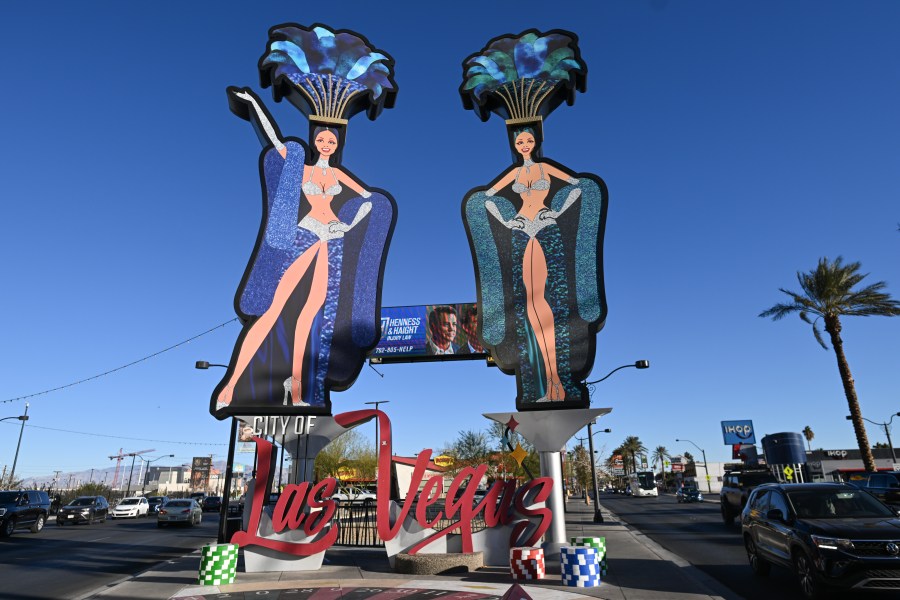
The Evolution of Las Vegas: From “Sin City” to Global Destination
Las Vegas has long been known for its vibrant energy and unique culture, earning the nickname “Sin City” that has become synonymous with the city itself. This moniker wasn’t just a label — it became one of the most successful brand identities in the world, shaping how the city is perceived globally.
Before the iconic neon-lit Strip, the city already had a reputation for allowing people to let their guard down. Visitors could be married at midnight, gamble until sunrise, or make questionable financial decisions that might seem less appealing the next morning. These behaviors were part of what made Las Vegas stand out from other cities.
The origins of the nickname date back decades, but it really took off in 1931 when Nevada legalized gambling during the Great Depression. While much of the country was tightening its rules, Las Vegas embraced casinos, entertainment, and tourism as key drivers of its economy. This decision changed the trajectory of the city forever.
By the mid-20th century, Las Vegas had transformed into one of the largest tourist destinations in the United States. The city became known for its gambling, drinking, flashy entertainment, and quick divorces — all of which felt rebellious at the time. The introduction of the Strip in the 1940s and 1950s marked a turning point, turning the city into a neon-filled playground filled with casino resorts, lounge singers, showgirls, and all-you-can-eat excess.
Casinos were designed with one goal in mind: to keep guests entertained, comfortable, and spending money for as long as possible. This strategy worked well, and the city continued to grow.
The Mob Era and Legal Loopholes
During this time, the mob era also played a significant role in shaping Las Vegas’s image. Several early casinos had ties to organized crime figures, a fact that is well-documented by The Mob Museum in downtown Las Vegas. These connections added to the city’s reputation for being a place where anything could happen.
At the same time, Nevada became nationally known for its quick marriages and fast divorces thanks to the state’s residency laws. People weren’t just visiting Las Vegas — they were escaping into it, seeking a different kind of life for a short period.
Eventually, the city realized that its reputation was good for business. Instead of trying to change it, Las Vegas leaned directly into its identity. The result was a city filled with giant casinos, wild nightlife, and over-the-top entertainment.
The Birth of the “Sin City” Identity
In 2003, the city launched a new tourism slogan: “What happens in Las Vegas, stays in Las Vegas.” This campaign became one of the most recognizable in travel history, solidifying the city’s identity as “Sin City.” No longer just a nickname, it became the entire brand of the city.
Today, modern Las Vegas looks a little different. The city is home to Formula 1 races, sold-out residencies, luxury dining, professional sports teams, and massive entertainment events that bring in millions of visitors each year. However, the energy and spirit of the city have remained largely unchanged.
The Concept of “Permission”
“Sin City” was never really about crime. It was about permission — the idea that you can stay out later, spend more money, order an extra drink, or say yes to something you’d normally talk yourself out of back home. It’s about convincing yourself that paying $24 for a cocktail somehow feels responsible because you’re on vacation.
In Las Vegas, the rules always feel a little blurrier. And honestly, that’s kind of the whole point. The city thrives on the idea that it’s a place where you can let go of your usual constraints and enjoy the moment.