The Physical and Mental Struggles of Elite Gymnastics
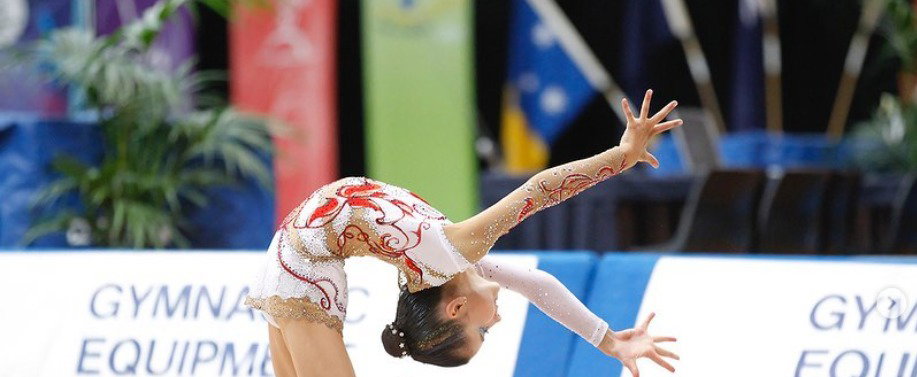
Australian Olympian Alexandra Kiroi-Bogatyreva has opened up about the physical and mental toll that gymnastics took on her body over the years. She shared how years of intense training and poor nutrition led to significant health issues throughout her career.
Kiroi-Bogatyreva trained for up to 10 hours a day, six days a week, but admitted that she didn’t always receive proper nutrition. “I was so driven that injuries didn’t stop me,” she said. “I really wanted to achieve my goals, show the world what I’m capable of, and give back to my family… The sport demands significant physical commitment, as well as considerable psychological resilience.”
Her dedication came at a cost. The gymnast revealed that her menstrual health was also affected by the demanding lifestyle. “No one really questioned why or if it’s OK for that to be happening,” she said. Later, doctors explained that her body was overworked and undernourished. “I was told, ‘You’re malnourished, you are overtrained, and your body just doesn’t have the energy,’” she recalled. “Before that, I never really linked it with my food intake or how many hours I trained at the gym,” she added.
Kiroi-Bogatyreva retired from elite gymnastics at 22 years old, which is older than most rhythmic gymnasts who typically retire before their twenties. Her experience highlights the unique challenges faced by female athletes in high-performance sports.
Athletes Push for Better Education Around Women’s Health in Sport
Kiroi-Bogatyreva’s story is part of the ABC Elite Athletes in Australian Women’s Sport Survey, which explored how female athletes experience nutrition and recovery within elite sport systems. Some athletes surveyed reported that their health issues were often dismissed or not taken seriously.
Experts warn that long-term under-fuelling can lead to Relative Energy Deficiency in Sport (RED-S), a condition that affects hormones, bone strength, and recovery. This issue is particularly prevalent among female athletes, who may face additional pressures related to body image and performance expectations.
Now, athletes and health professionals are calling for better education around these issues. Kiroi-Bogatyreva, who is now a coach herself, hopes that future gymnasts will have a healthier environment than she did. She believes coaches play a crucial role in changing the culture around overtraining, nutrition, and athlete well-being in gymnastics.
The Need for Change in Sports Culture
The experiences of athletes like Kiroi-Bogatyreva highlight the urgent need for systemic change in how sports organizations support their athletes. Many female athletes report feeling unsupported when it comes to their physical and mental health, often leading to long-term consequences.
There is a growing movement to address these issues through better education and awareness. Coaches, trainers, and sports administrators are being encouraged to prioritize the well-being of athletes over performance metrics alone. This includes providing access to proper nutrition, mental health resources, and open communication channels.
Kiroi-Bogatyreva’s journey serves as a powerful reminder of the importance of balancing ambition with self-care. As more athletes speak out about their struggles, there is hope that the sports industry will take meaningful steps toward creating a safer and more supportive environment for all athletes.
Trends in Gymnastics: Mental Health Awareness
In recent years, there has been a noticeable shift in the gymnastics community towards greater awareness of mental health. Athletes are increasingly speaking out about the pressures they face, and organizations are beginning to respond with new policies and support systems.
This trend is reflected in the growing number of initiatives aimed at promoting mental well-being among athletes. From mindfulness programs to peer support networks, there is a clear effort to create a more holistic approach to athlete development.