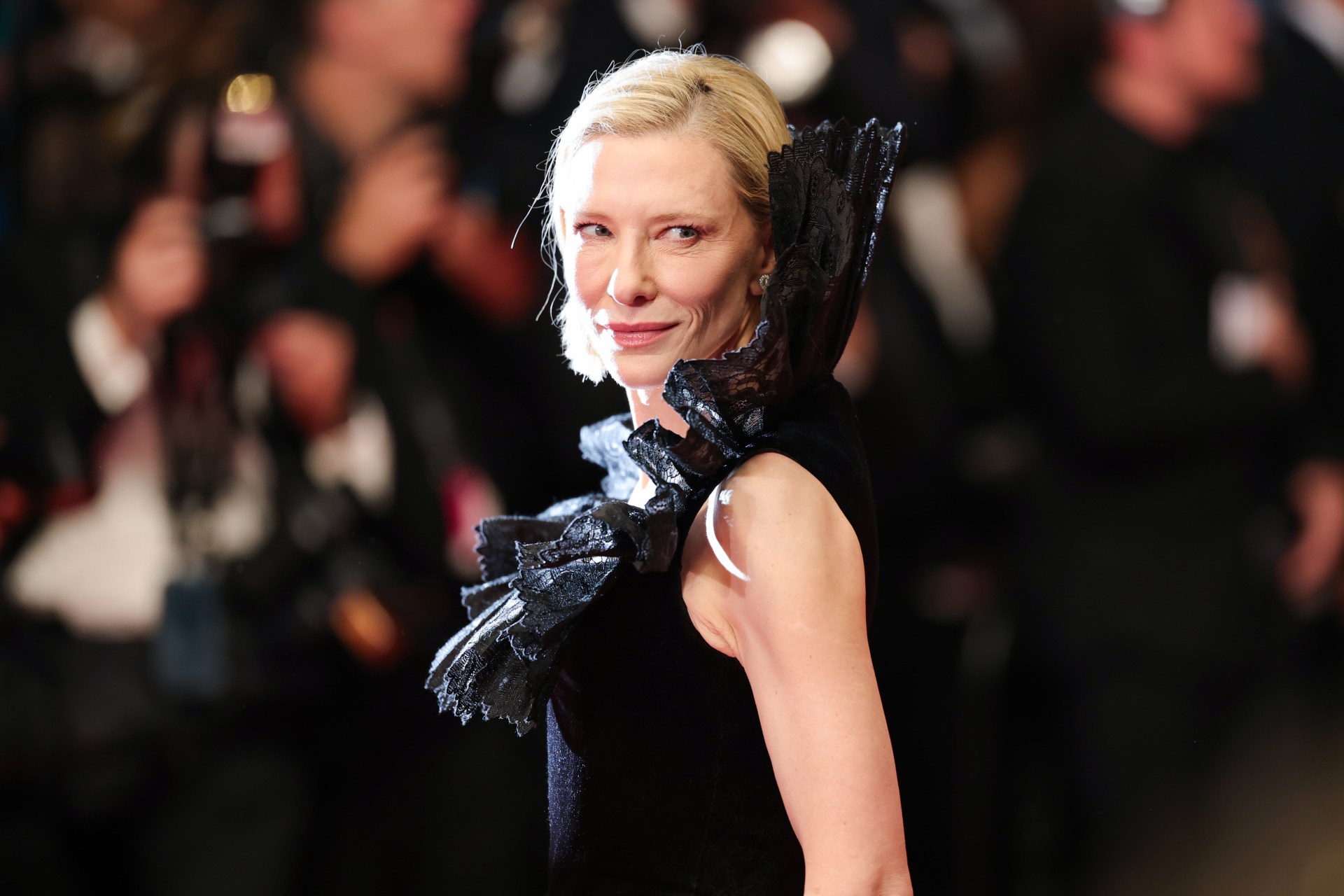
Cate Blanchett, a renowned figure in the entertainment industry, has expressed concerns about the #MeToo movement, which gained significant traction in 2018. She noted that the movement “got killed very quickly” despite the ongoing issues of gender inequality within the industry. The #MeToo campaign was initiated as a social media hashtag following allegations against film producer Harvey Weinstein, who is currently serving a 23-year prison sentence. American actress Alyssa Milano encouraged women to share their experiences using the phrase “Me Too,” highlighting the widespread nature of sexual abuse and assault.
The movement quickly gained momentum, with high-profile figures such as Gwyneth Paltrow, Jennifer Lawrence, and Uma Thurman joining in. Media coverage expanded rapidly, and thousands of women and marginalized communities came together to support the cause. However, according to Cate Blanchett, the changes in the industry have been minimal over time.
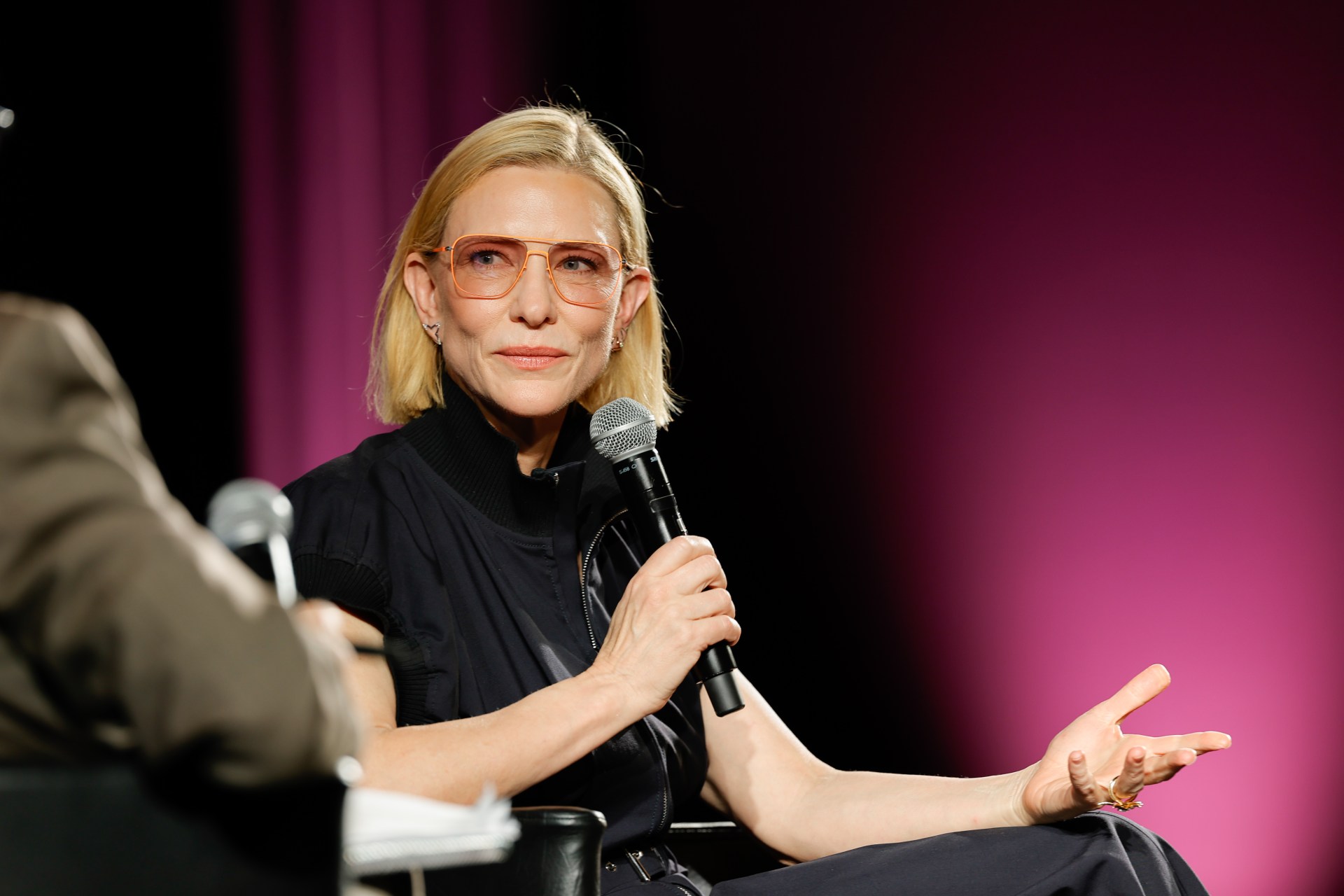
During a discussion at the Cannes Film Festival, Blanchett shared her observations about the persistent gender imbalance on film sets. She mentioned that she conducts daily headcounts and often finds a stark contrast between the number of women and men present. “I love men, but what happens is the jokes become the same. You just have to brace yourself slightly, and I’m used to that, but it just gets boring for everybody when you walk into a homogeneous workplace,” she said.
Blanchett also highlighted the disparity between celebrities who have platforms to speak out safely and the average woman on the street. She questioned why conversations about systemic abuse are often shut down, emphasizing that identifying the problem is essential for solving it. “If you shut that conversation down, you can’t move on,” she stated.
On a more positive note, Blanchett reflected on the evolving dynamics among women in the industry. She praised the growing support among actresses, noting that those advancing in their careers are creating opportunities for others. “My generation is very aware that we come from that toxic environment and not wanting to replicate that, so any way that we can, [we] pave the way or help support the women who are coming up behind us,” she added.
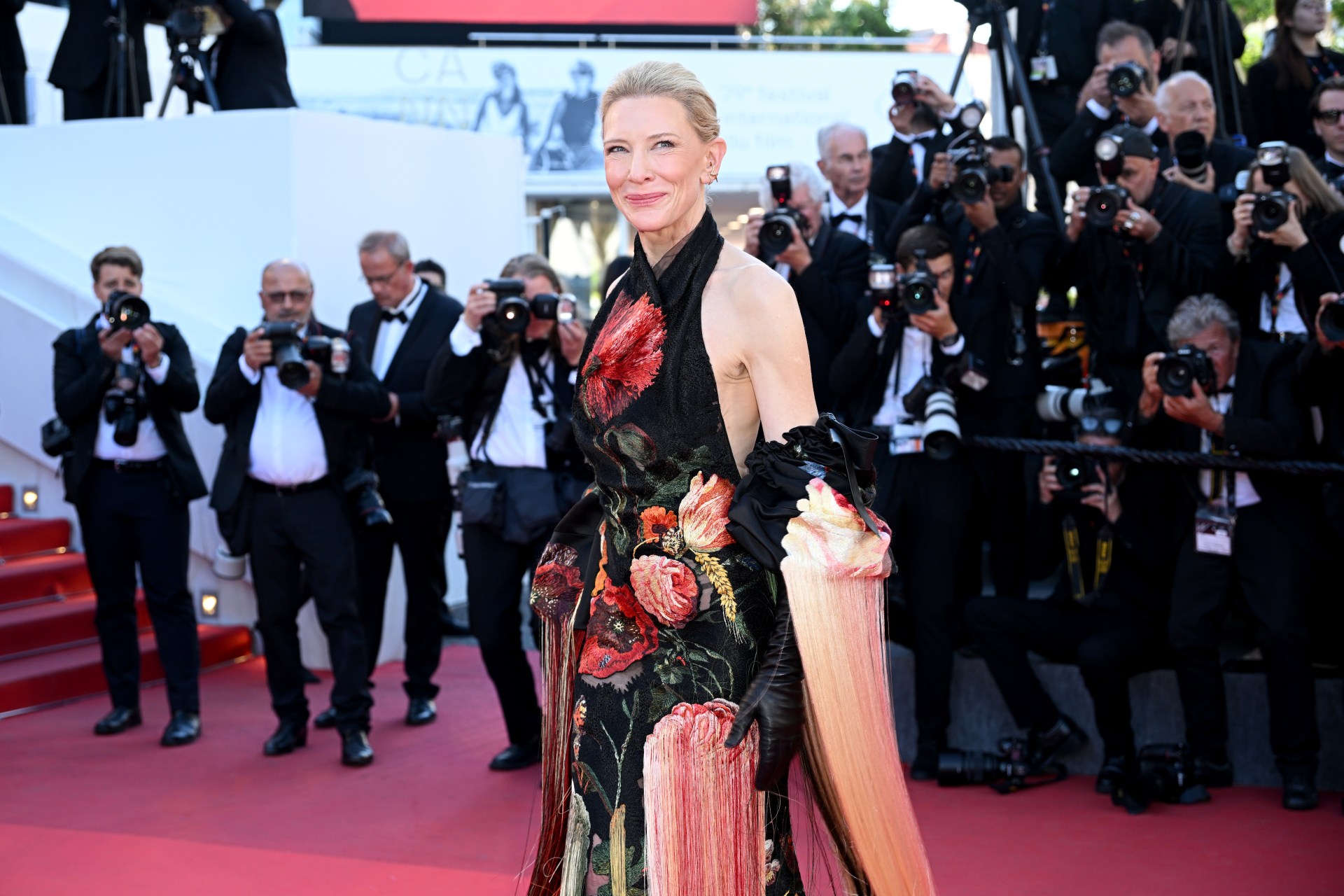
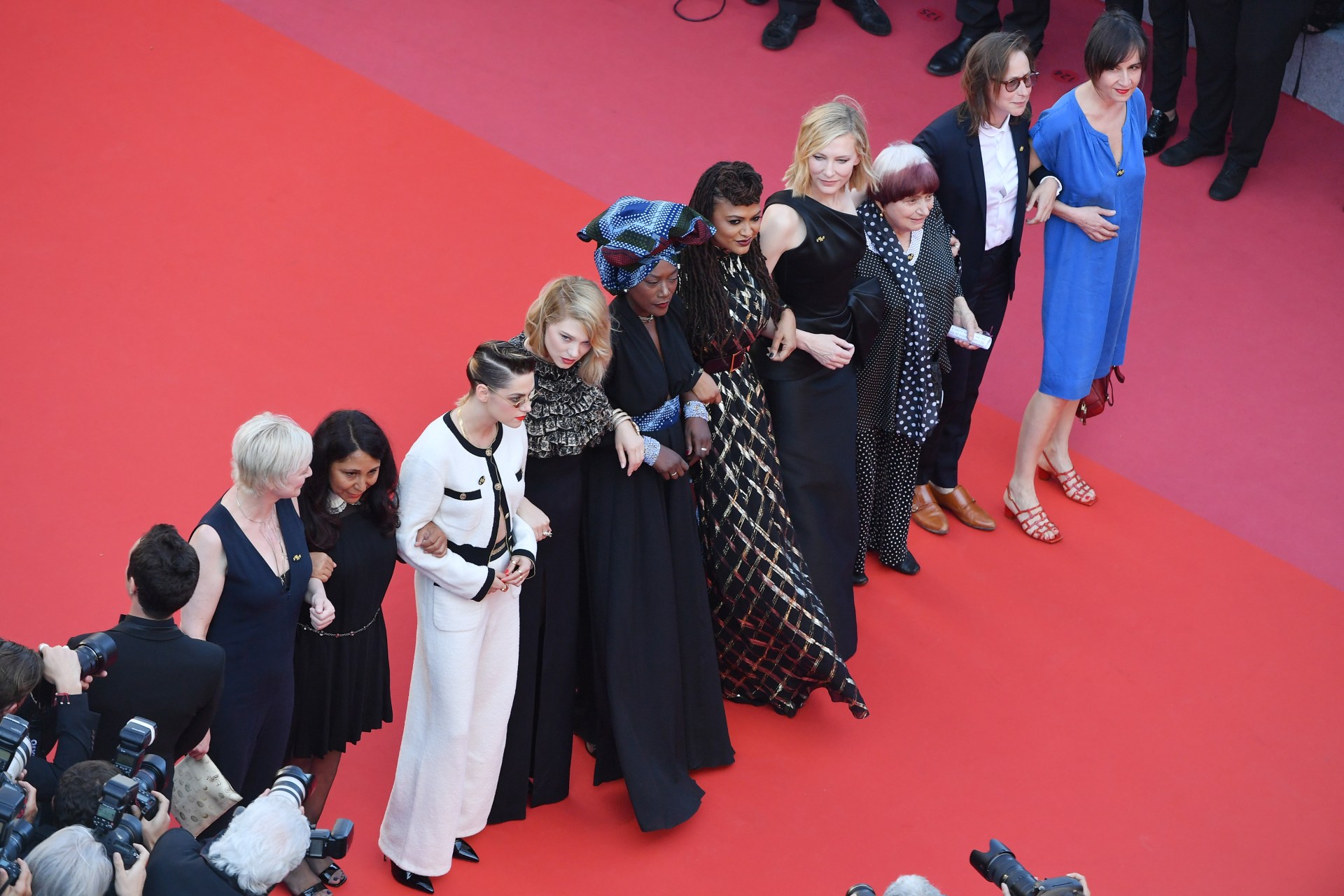
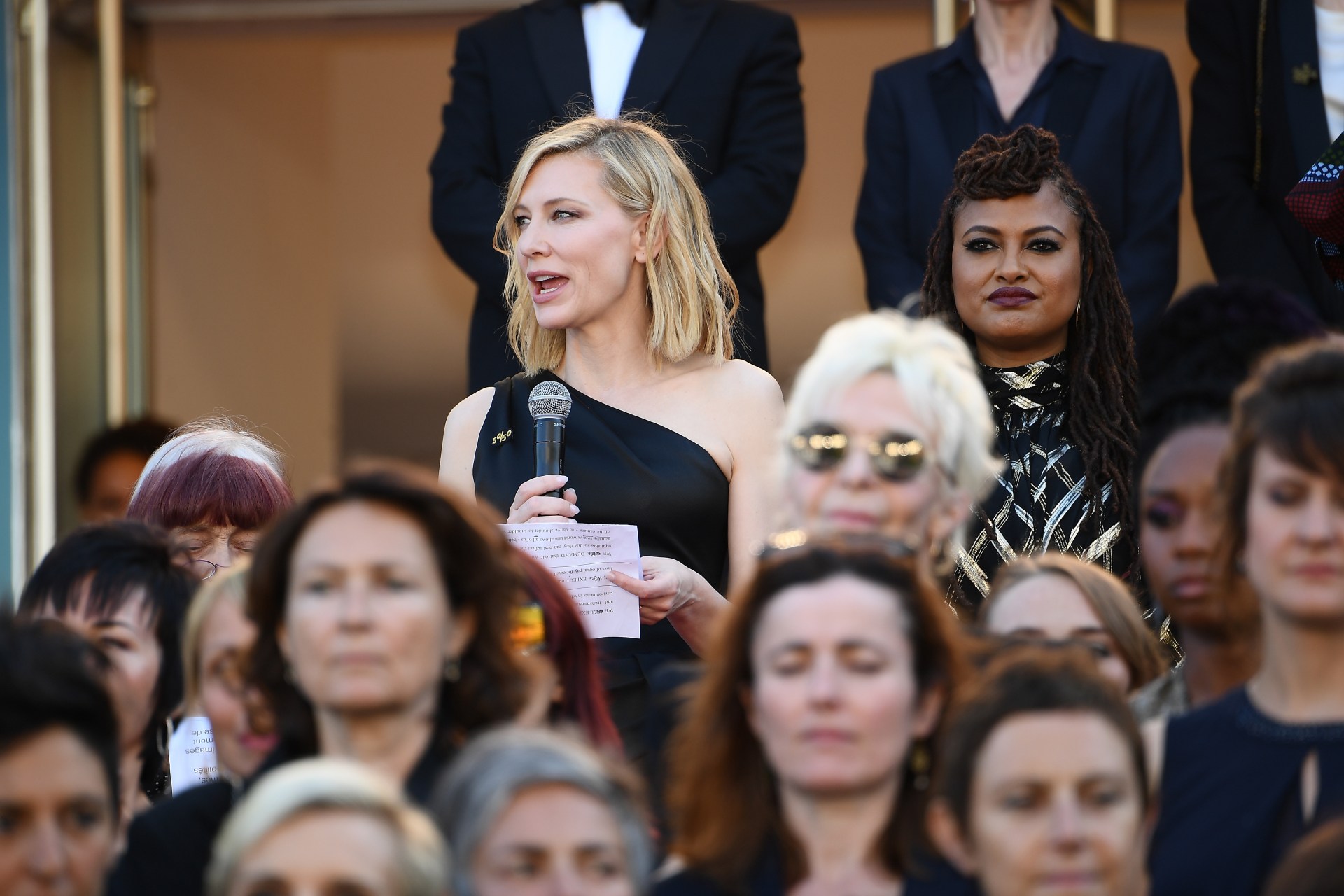
Throughout her career, Blanchett has been a vocal advocate for women’s rights and protections. She has also shown support for the Free Palestine movement, notably wearing a dress with a subtle nod to the flag during the Cannes Film Festival two years ago. In 2018, as the president of the Cannes jury, she led a march alongside Kristen Stewart, Léa Seydoux, Ava DuVernay, and Agnès Varda. They walked up the steps of the Palais des Festivals holding hands, symbolizing the challenges women face in climbing the social and professional ladder.
During the protest, Blanchett took to a microphone to read a statement calling for safer working conditions and equal pay laws. “Women are not a minority in the world, yet the current state of our industry says otherwise,” the statement said. “As women, we all face our own unique challenges, but we stand together on these stairs today as a symbol of our determination and commitment to progress.”