The Rise of Technology and the Decline of Live Musicians in Australian Stage Shows
Australia’s live music scene is facing a significant shift as technology increasingly replaces traditional musicians in major stage productions. This trend has sparked concerns among industry professionals, who fear that the artistry and expressiveness of live performances are being lost in favor of digital alternatives.
One of the most notable examples of this change is the return of The Lion King to Sydney in April. The production, which is the world’s highest-grossing musical, saw a reduction in its orchestra size, with all four string parts removed for the 2026 season. Instead of hiring live string players, the show now uses KeyComp, a program developed in Germany. This software allows a single keyboard player to replicate entire sections of an orchestra using a synthesiser, effectively replacing live musicians.
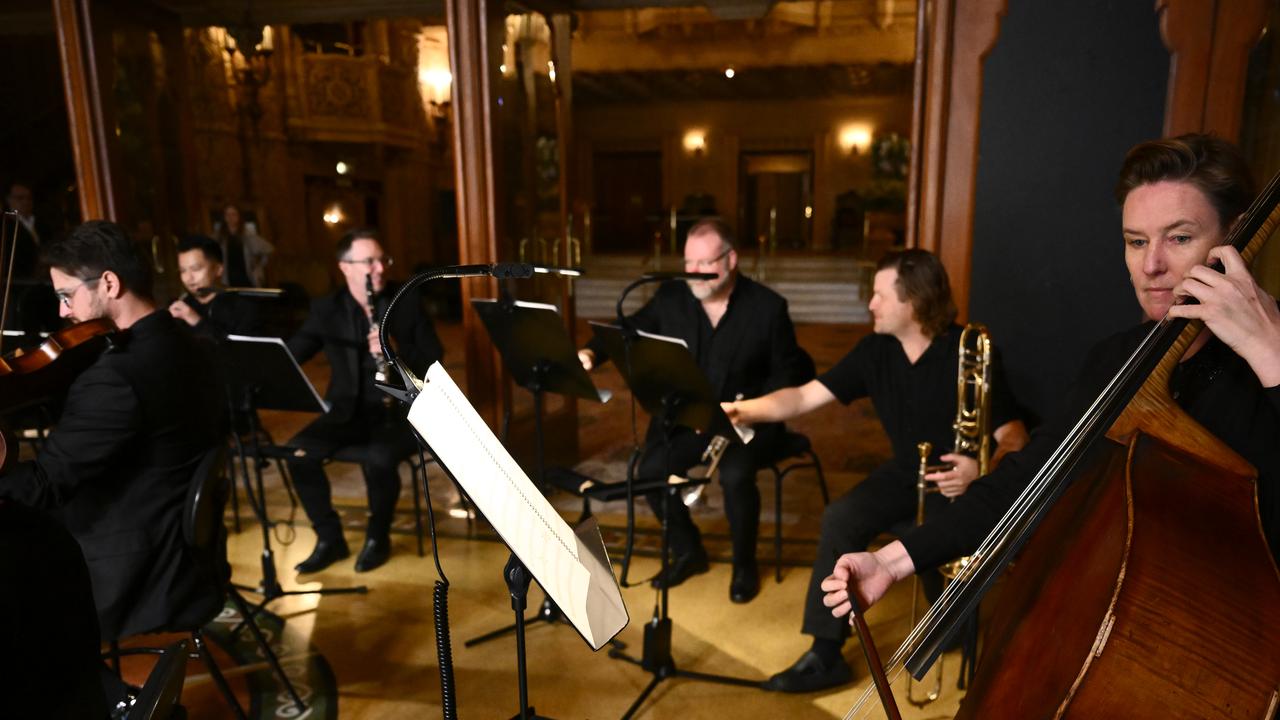
This decision has had a direct impact on local musicians, many of whom have found themselves out of work. James Steendam, president of the Media, Entertainment and Arts Alliance (MEAA) federal musicians’ branch, highlighted the issue during a NSW parliamentary inquiry into live music. He pointed out that The Lion King is the highest-grossing musical of all time, yet it continues to cut jobs despite its financial success.
Steendam, who has played violin and viola for Opera Australia, Orchestra Victoria, and performed nearly 1000 shows with the Australian production of Hamilton, expressed his frustration. “Musicians are earning around 25 per cent less now—adjusted for inflation—than when Disney first brought Lion King here in 2003,” he said. “We are not the reason for any expenses that are blowing out. I now find myself largely unemployed, in some part due to Disney’s decision.”
The music team behind Hamilton is the same one responsible for The Lion King, and Steendam believes he would have been working on the latter if the string parts had not been cut. This shift is not isolated to The Lion King. KeyComp is becoming more common in high-profile productions, including Beauty and the Beast and Frozen, and could soon extend to other areas such as opera and ballet.
Implications for the Music Industry
The growing reliance on technology like KeyComp raises concerns about the long-term sustainability of live music. Steendam warned that as musicians disappear from orchestra pits and music theatres, there will be downstream effects on the entire industry.
“The music industry is an ecosystem, it doesn’t exist in a bubble,” he said. “One thing will always affect another, and economies that rely on live music will also be affected. There’s no music industry without musicians.”
This sentiment is echoed by other industry stakeholders, who worry that the decline of live musicians could lead to a broader erosion of the cultural and economic value of live performance. The loss of live music not only impacts performers but also affects related sectors such as sound engineering, stage design, and venue operations.
Impact Beyond Music
The decline of live music is not limited to orchestras. It has also affected dance performances. For example, the West Australian Ballet’s recent production of Dracula in Adelaide used a recording by the WA Symphony Orchestra instead of hiring live musicians. This shift highlights a broader trend where digital recordings are being used in place of live performances, even in traditionally live-oriented arts.
The MEAA has called on the NSW government to introduce rules that establish minimum orchestra requirements for performances receiving funding or tax incentives from state governments. This move aims to protect the role of live musicians and ensure that public funds support the preservation of live music.
While the use of technology in live performances may offer cost savings and logistical benefits, it also raises important questions about the future of live music in Australia. As the industry continues to evolve, the balance between innovation and tradition remains a critical issue for artists, audiences, and policymakers alike.