Pianist Faces Legal Challenge Over Political Statement at Melbourne Symphony Orchestra Event
A high-profile legal case has unfolded in the Federal Court, involving pianist Jayson Gillham and the Melbourne Symphony Orchestra (MSO). The case centers on whether Gillham was wrongfully dismissed for expressing a political opinion during a performance. The dispute began on Monday and is expected to last 15 days.
Gillham, who is based in London but originally from Queensland, claims that the MSO would not have allowed him to perform a new piece of music if they knew it was dedicated to the journalists of Gaza. He is suing the orchestra under the Fair Work Act, arguing that his dismissal was unjust.
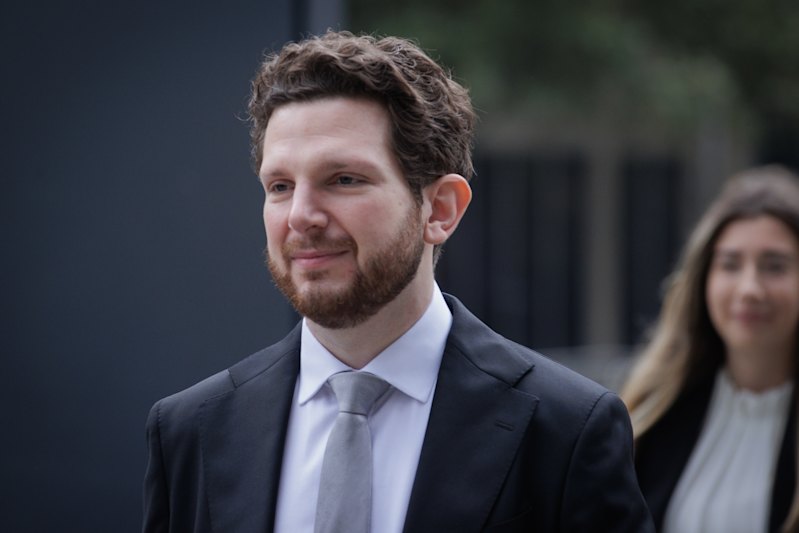
The case is being heard by Justice Graeme Hill, with Gillham represented by Marque Lawyers and the MSO by Arnold Bloch Leibler. The MSO has accused Gillham of misleading them as an employer, claiming he needed to seek prior permission for any controversial political statements.
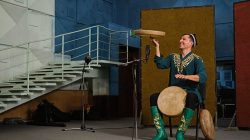
In August 2024, the MSO removed Gillham from a scheduled performance before canceling the event. This happened after a recital where Gillham introduced a piece titled Witness, which he said was “dedicated to the journalists of Gaza.” Some of these journalists, he claimed, were deliberately targeted by the Israeli Defense Forces (IDF).
When the orchestra canceled the performance, they cited “safety concerns.” In a statement at the time, the MSO described Gillham’s comments as inappropriate and an “intrusion of personal political views.” They later admitted to making an error in their decision to cancel the shows.
Gillham told the court that he was concerned the MSO would not want any mention of Palestine on their stage. Under cross-examination, he revealed that he had not disclosed to his agent that he would be prefacing the piece with political comments. He explained that he was trying to protect his ability to speak on the issue, believing that if his agent or the MSO knew, they would prevent him from expressing his political beliefs.
Justin Bourke, KC, representing the MSO, argued that the orchestra has the right to control what is said on its stages. He claimed that Gillham deliberately misled the MSO by describing the piece Witness as “a beautiful, meditative” work, without indicating that he would make comments about Israel or Gaza.
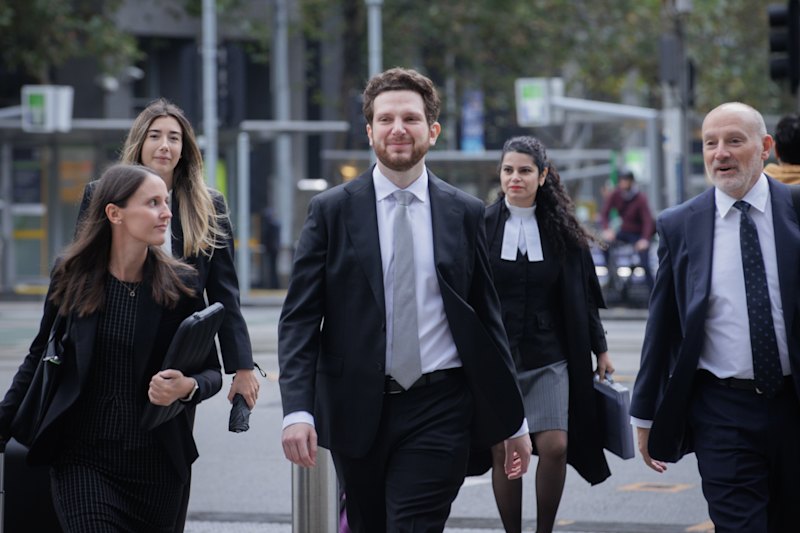
Sheryn Omeri, KC, appearing for Gillham, emphasized that this case is significant not only for Gillham personally but also for all independent contractors. She argued that the right to hold lawful political beliefs is at the heart of the matter, and it raises questions about whether independent contractors are owed the same statutory obligations as employees.
Omeri pointed out that Gillham genuinely believed in what he said and had the right to express his views. She also highlighted that the dedication to the journalists of Gaza was a combination of Gillham’s and the composer Connor D’Netto’s ideas, as revealed in Instagram messages between the two.
However, Omeri noted that the MSO could not rely on this information since it was not known at the time of the cancellation. She argued that if the MSO continued to claim Gillham was dishonest, he should have the opportunity to respond.
Legal Framework and Judicial Instructions
At the center of the case are the protections provided by the federal Fair Work Act and the Victorian Equal Opportunity Act. Justice Hill made it clear that the case should not become a hotbed of controversy about events in the Middle East. He instructed witnesses to focus on relevant legal issues.
Addressing Gillham, the judge said, “I’m not a jury, many people are listening in, but treat me as your audience for the next three weeks.”
According to Bourke, in December 2023, the MSO management team had deliberated about whether to comment on the events in the Middle East. They consulted with sponsors and supporters and ultimately decided not to take a position. However, this decision was not communicated to Gillham.
Omeri distinguished between feeling uncomfortable and feeling unsafe, stating that nothing in Gillham’s introduction would have made people feel unsafe. Bourke, on the other hand, described the situation as a “firestorm” for the MSO. He emphasized the need for “commonsense expectations” when engaging classical musicians, including not abusing a captive audience with offensive statements and working cooperatively with the host.
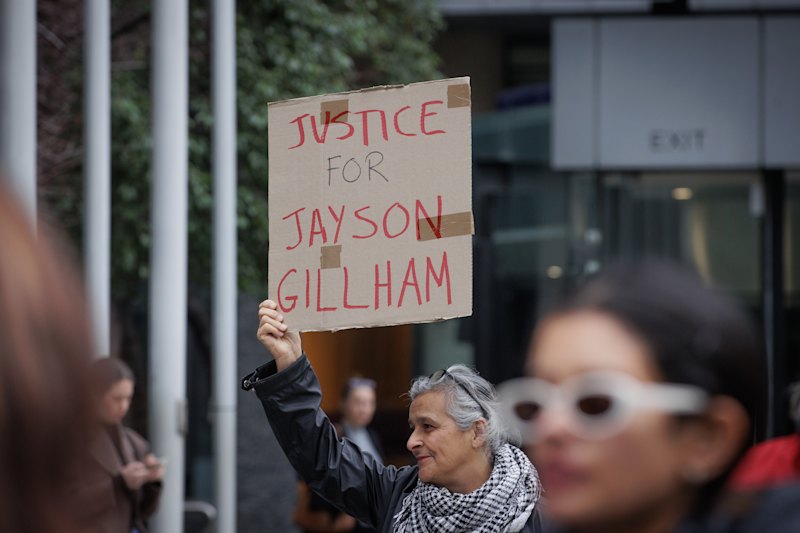
Bourke added that there is a “time and a place for everything.” He stressed that Gillham should not have deceived his host and should have been more transparent about his intentions.
Hill clarified that the question of costs would not be addressed by the court. The case continues on Tuesday, with 19 witnesses set to appear for the MSO. The proceedings are being live-streamed, allowing a wide audience to follow the developments.