The UK’s Eurovision Journey: A History of Triumphs and Trials
The United Kingdom has long been a prominent player in the Eurovision Song Contest, despite its reputation as the “punching bag” of the competition. As one of the “big five” countries, the UK is guaranteed a spot in the final due to its significant financial contributions to the event. This automatic qualification often leads to some teasing from other nations, especially when the performance doesn’t meet expectations. However, the UK has a rich history of success that should not be overlooked.
The UK’s First Victory: 1967
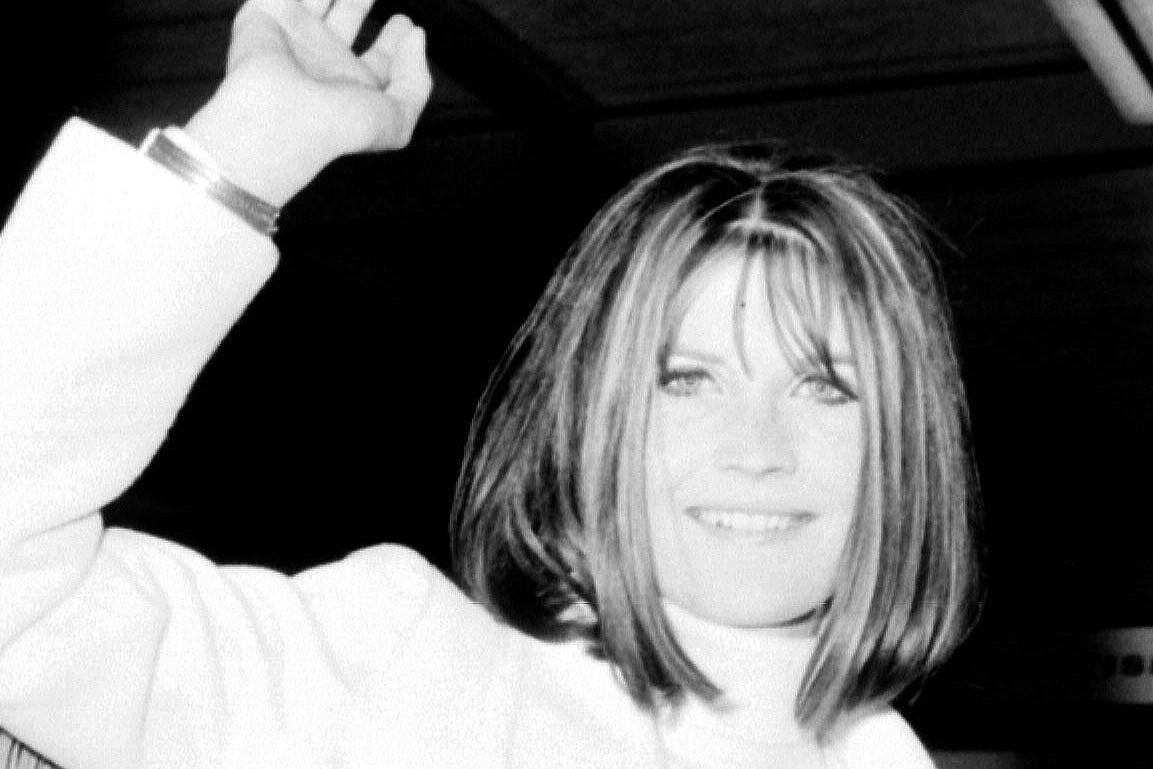
The UK’s first Eurovision win came in 1967 with Sandie Shaw’s “Puppet On A String.” After five second-place finishes, this victory marked a turning point for the country. Shaw’s song received points from all countries except Spain and Yugoslavia. Interestingly, she released a new version of the song last year for charity, highlighting her enduring legacy in the contest.
Lulu’s Historic Win: 1969
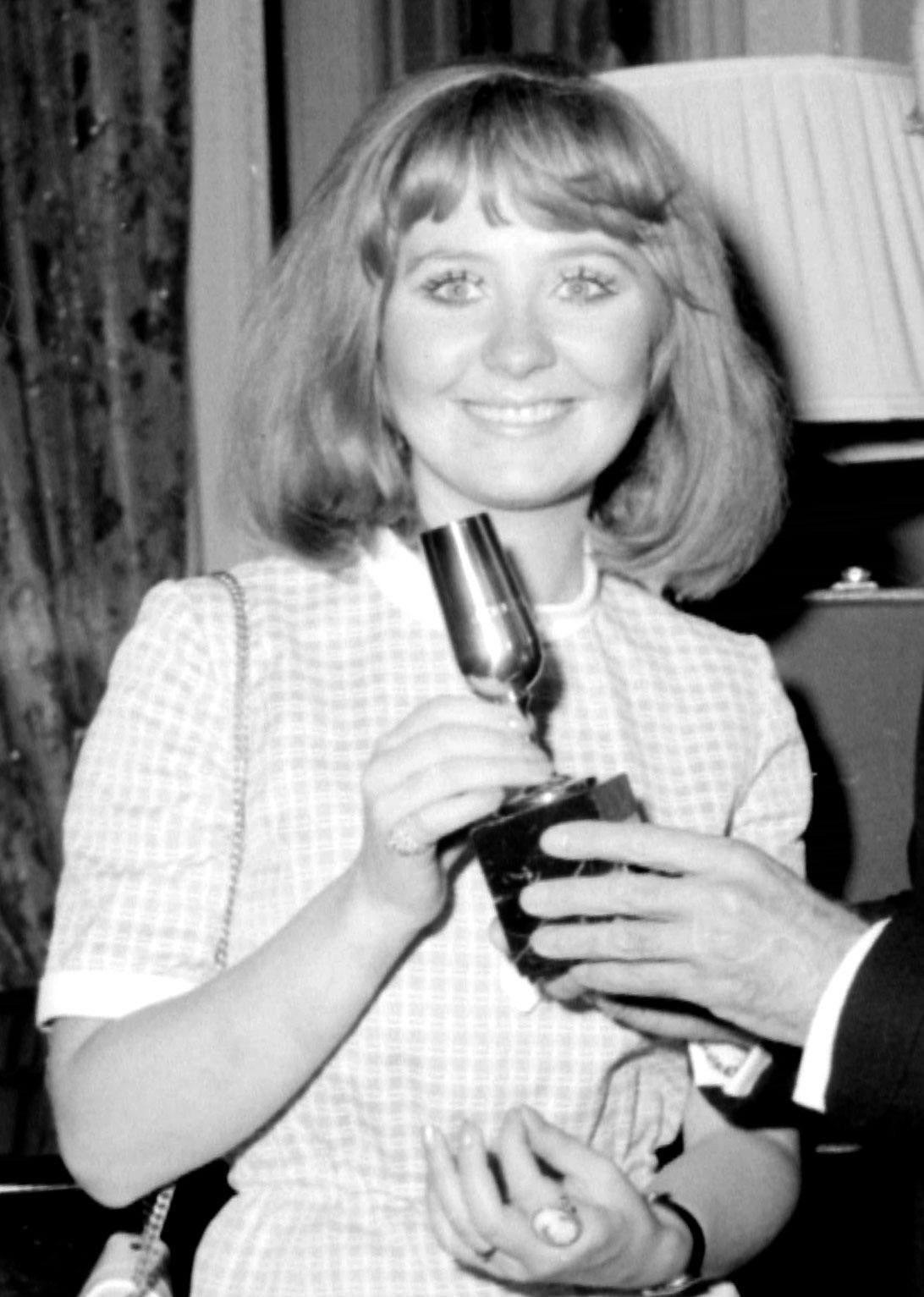
In 1969, Lulu represented the UK with “Boom Bang-A-Bang,” becoming the first tied winner alongside entries from France, Spain, and the Netherlands. Each entry scored 18 points. The previous year, Cliff Richard had come in second with his song “Congratulations,” which was the first color broadcast of the contest. Richard tried to avenge his loss in 1973 with “Power To All Our Friends,” finishing third.
Brotherhood of Man: 1976
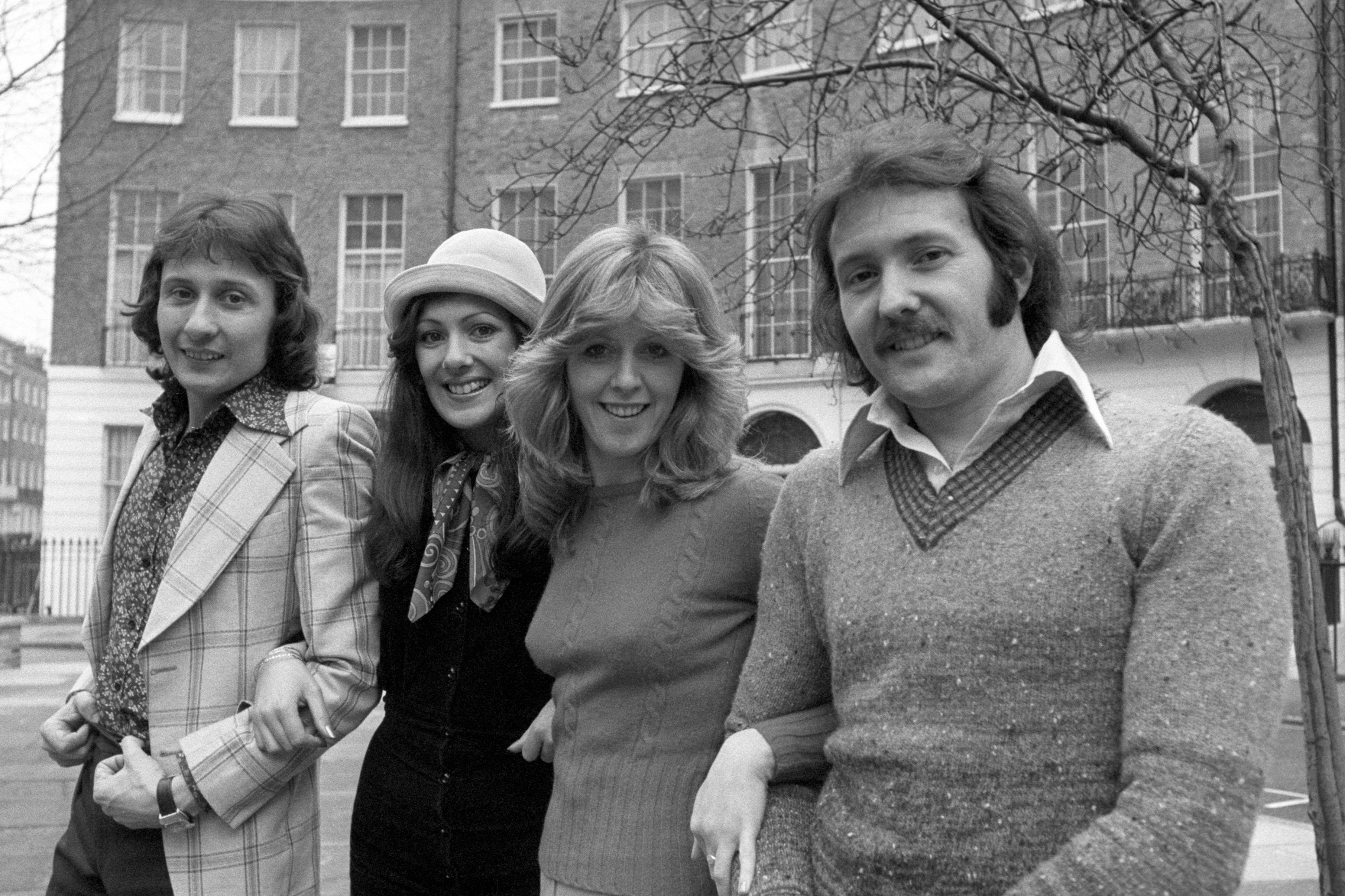
The 1970s saw the UK return to form with Brotherhood of Man’s “Save Your Kisses For Me.” The song won the contest and topped the charts in 1976. The band’s manager, Tony Hiller, attributed their success to extensive TV appearances across several European countries the year before the contest. The record sold six million copies, making it one of the best-performing songs in recent years.
Bucks Fizz: 1981
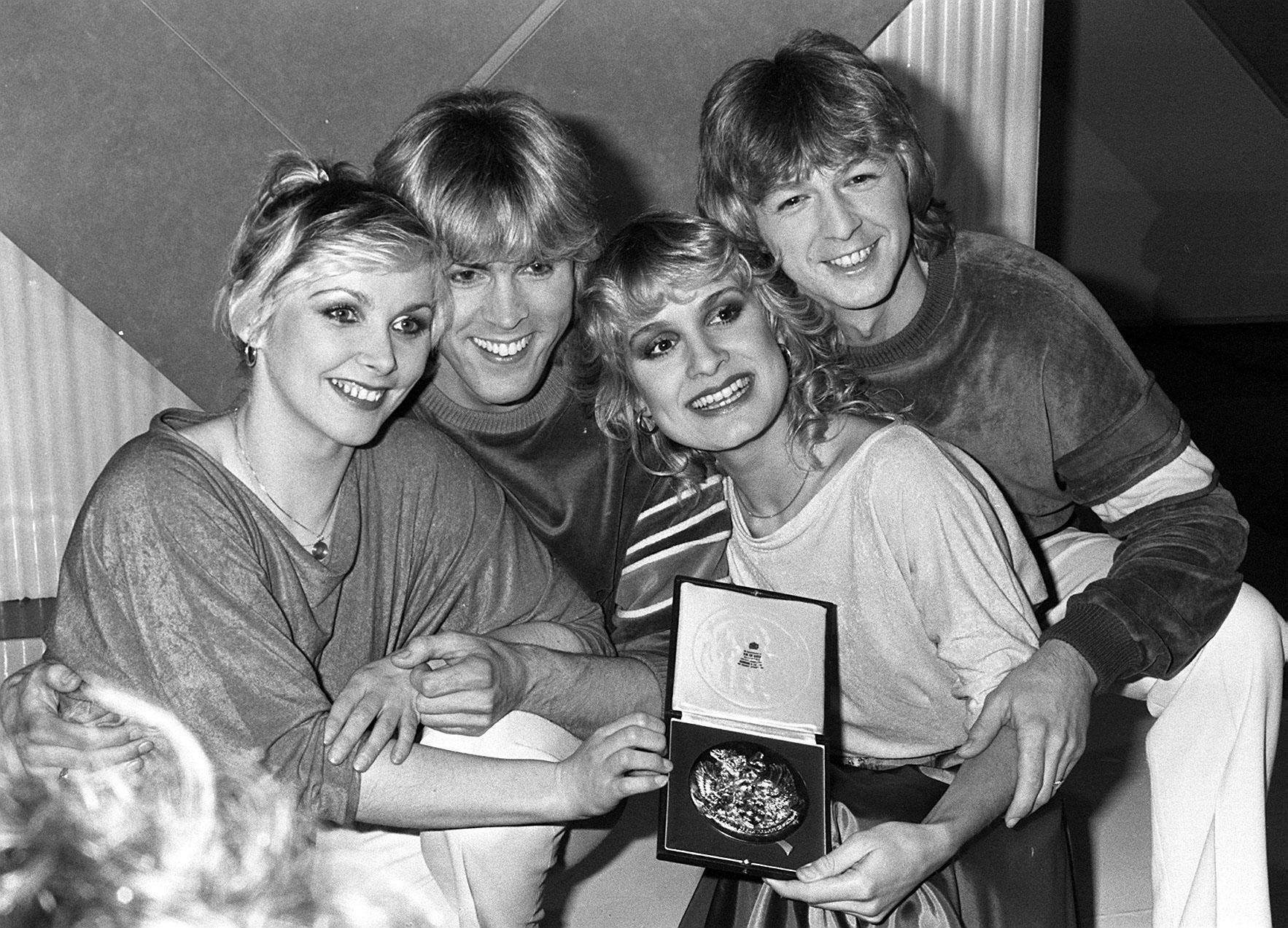
Bucks Fizz made headlines in 1981 with their upbeat song “Making Your Mind Up.” Their performance featured a memorable costume trick, where male singers removed the female musicians’ skirts to reveal another underneath. This routine became one of the most iconic moments in Eurovision history.
Katrina and The Waves: 1997
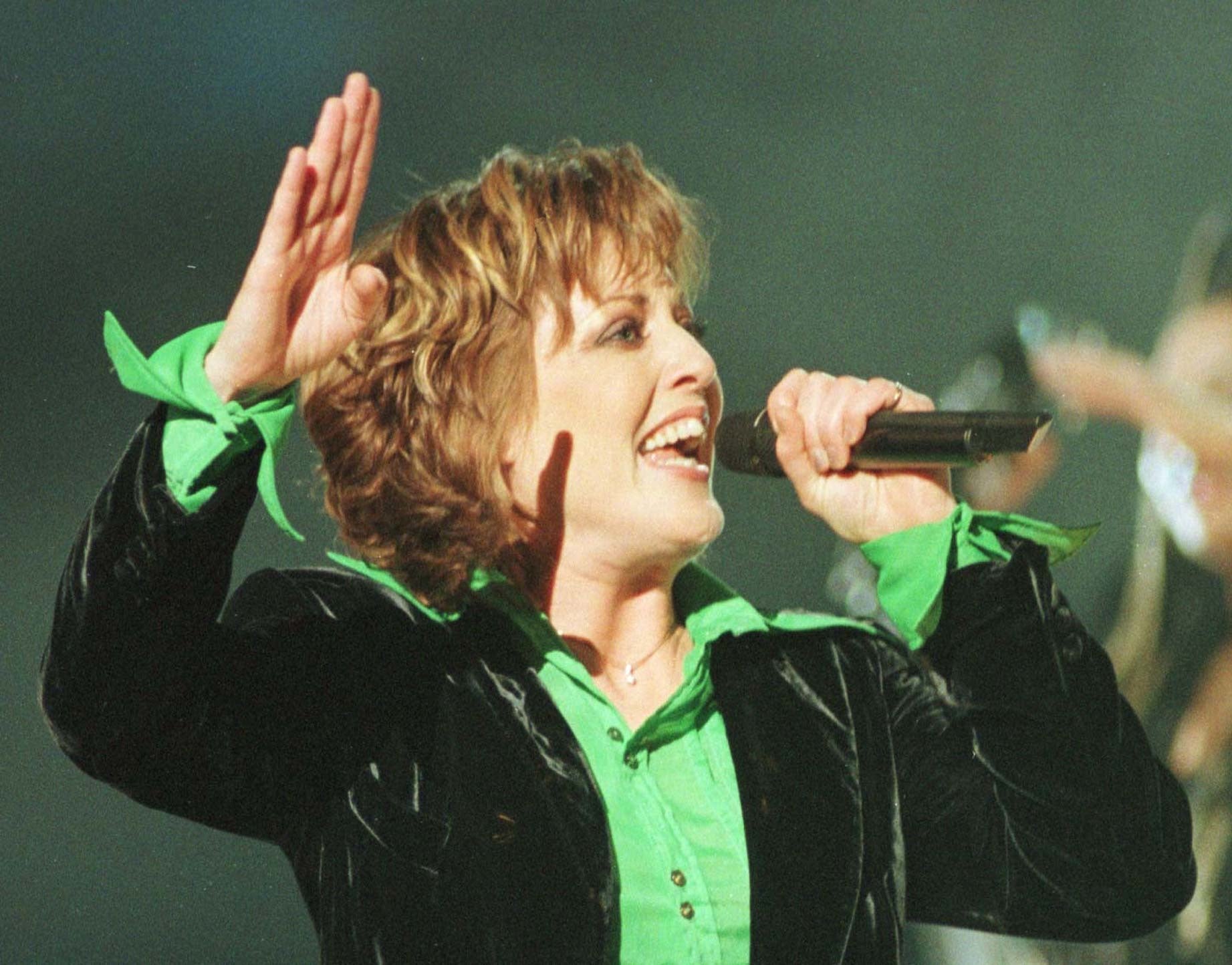
By the 1990s, the UK had faced some challenges, with Michael Ball and Sonia finishing second in 1996 and 1998 respectively. However, Katrina and The Waves’ “Love Shine A Light” won in Dublin in 1997, reigniting hope for British success. This victory was followed by strong performances from Imaani and Jessica Garlick in subsequent years.
Struggles in the Noughties
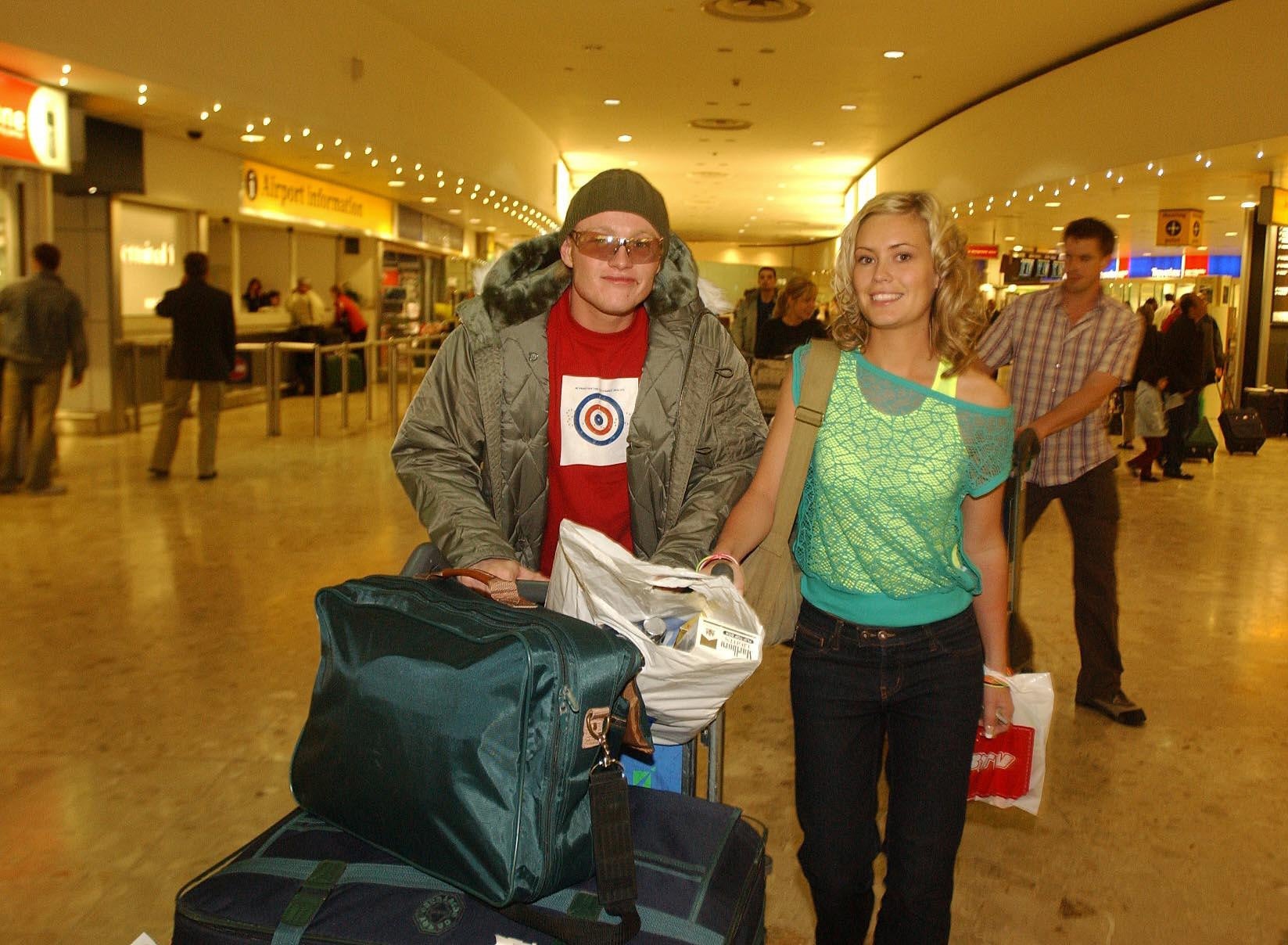
The 2000s were a difficult decade for the UK, with several entries failing to achieve high placements. In 2003, Jemini’s “Cry Baby” became the first UK song to receive ‘nul points’ due to audio issues. The following years saw Andy Abraham, Josh Dubovie, Michael Rice, and James Newman finishing last from 2008 to 2019.
Sam Ryder: A New Hope (2022)
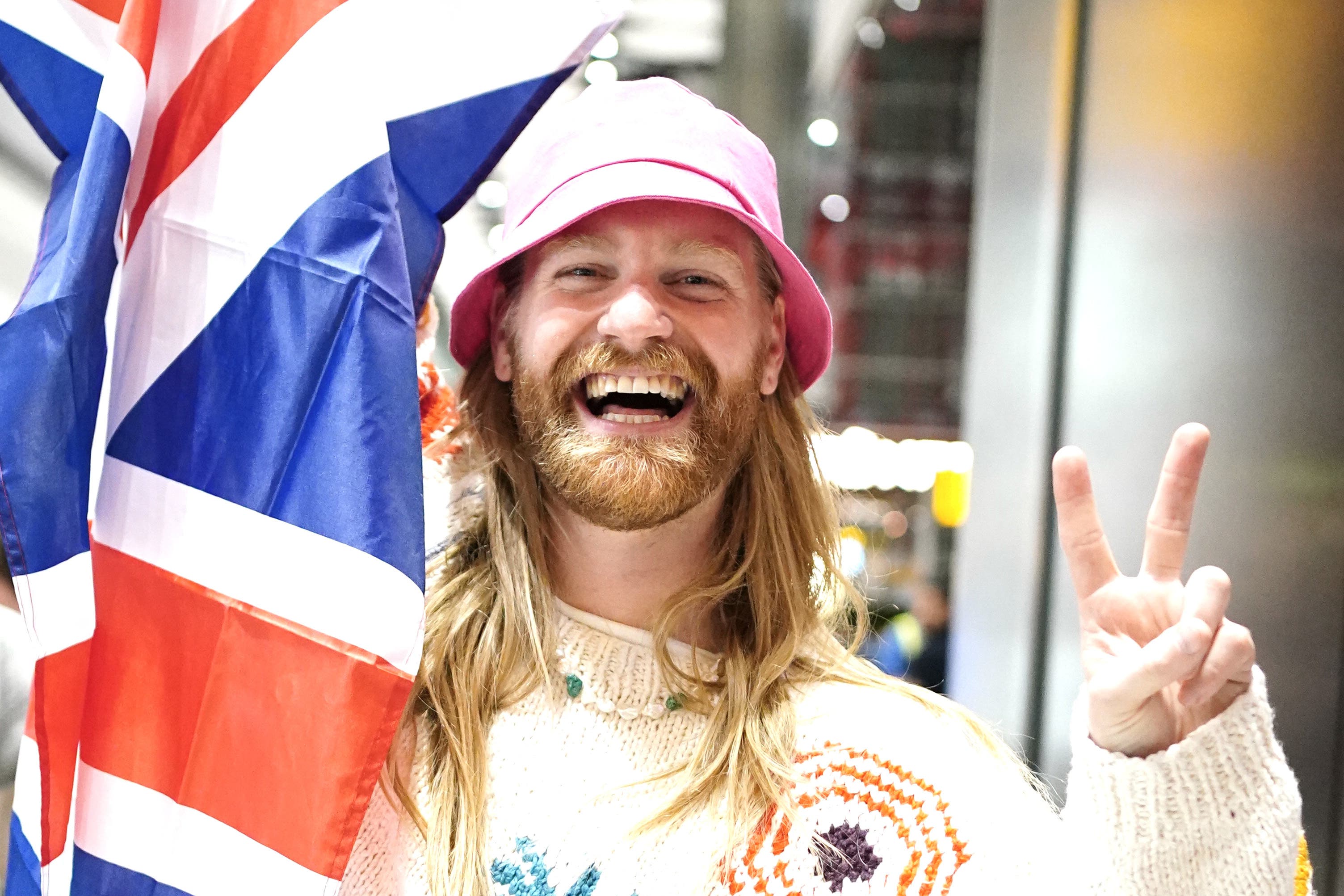
Despite the challenges, the UK found renewed optimism with Sam Ryder’s performance in 2022. His song “Space Man” earned him second place, with the national jury voting him the top performer. Although Ukraine’s Kalush Orchestra ultimately won, the result gave fans hope for the future.
Recent Years: Mixed Results
The UK’s performance in the 2023 contest was disappointing, with Mae Muller finishing second to last. Olly Alexander also struggled, placing 18th with just 46 points. In 2025, Remember Monday came in 19th place out of 28 entries.
Looking Ahead
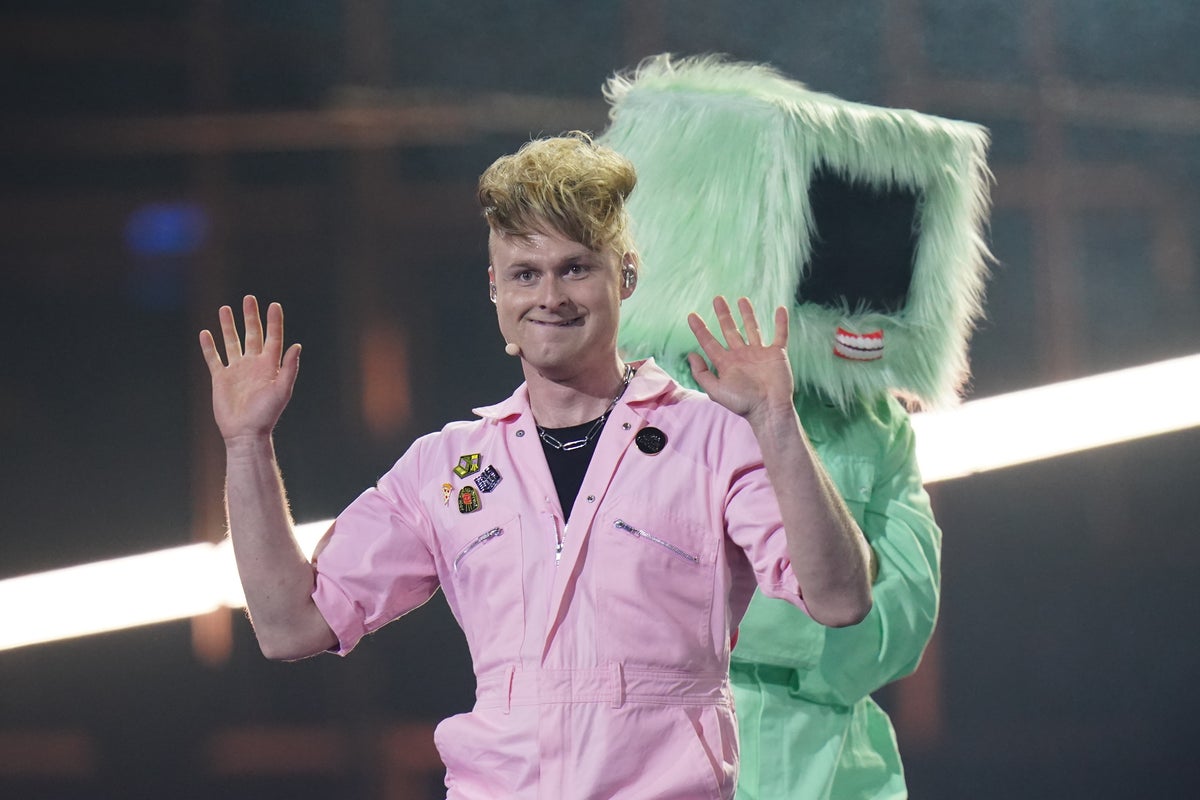
For the upcoming contest, the UK is placing its hopes on musician and YouTuber Look Mum No Computer. With a mix of past triumphs and recent challenges, the UK continues to be a key player in the Eurovision Song Contest, proving that even the “punching bag” can rise to the occasion.