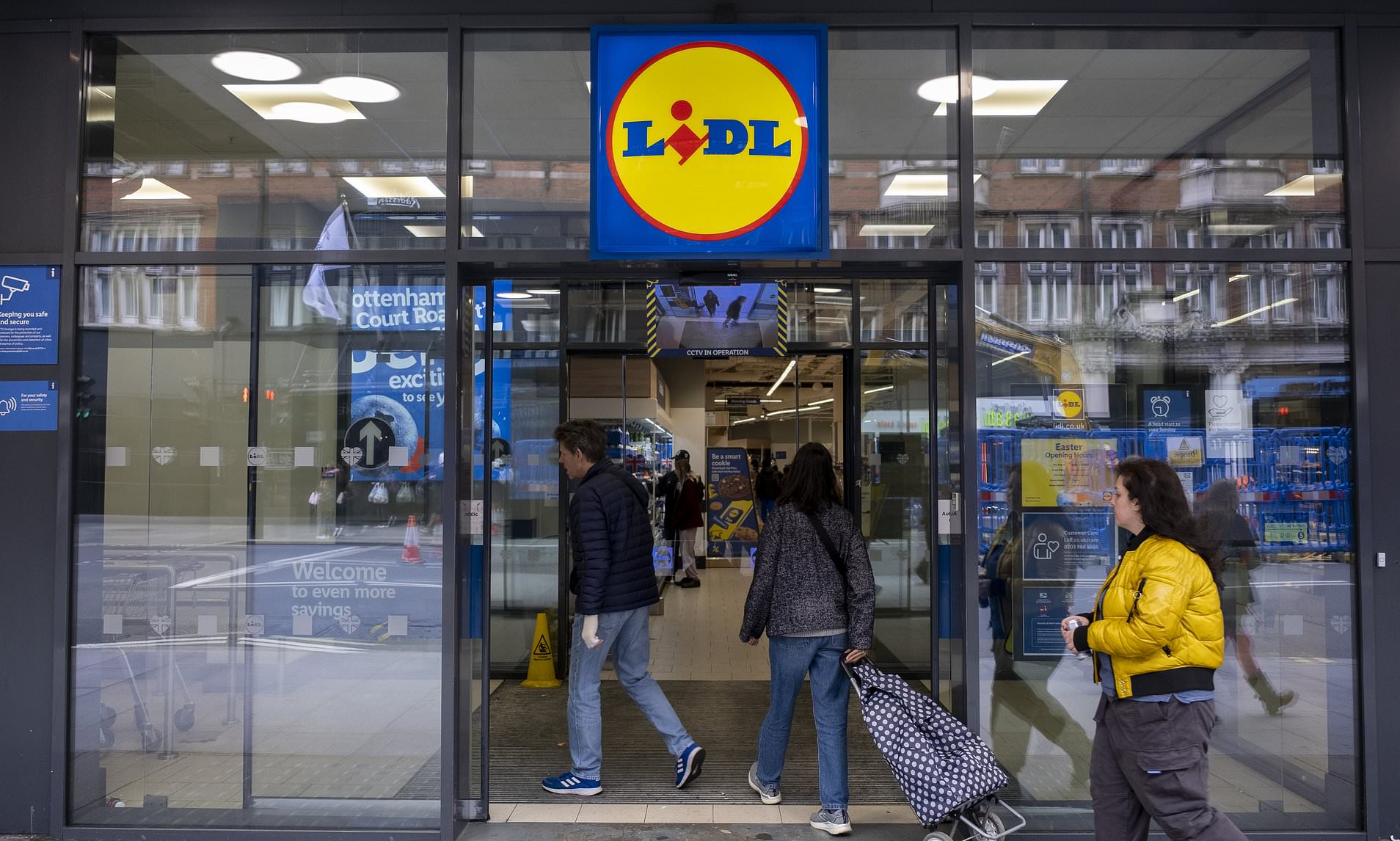
Lidl Loyalty Scheme Changes Spark Consumer Outcry
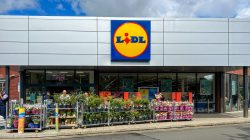
Lidl has made significant changes to its loyalty scheme, and some customers are not happy with the new system. The updated Lidl Plus program, which took effect on Tuesday, now rewards shoppers with points instead of physical reward coupons.
Under the new structure, every £1 spent earns one point. This model is similar to other loyalty programs like Boots Advantage and Sainsbury’s Nectar Card. Previously, Lidl members could enjoy benefits such as 10% off after spending £250 in a month or receive a free bakery item for spending £10. These perks have now been replaced with a points-based system that allows members to exchange points for discounts and free items through Lidl’s “rewards marketplace.”
The shift has led to backlash from some shoppers, who argue that the old system was more generous. On social media, several customers expressed disappointment, stating that the previous rewards were the main reason they shopped at Lidl. Some said they would now look elsewhere for groceries.
On Reddit, one customer described the changes as “insulting,” claiming that the company is trying to frame the update as an improvement. Another user commented, “I can’t imagine anyone asked for this over how it was before.”
Aligning with Industry Standards
The changes bring Lidl in line with other major supermarkets, such as Tesco and Sainsbury’s, which also use points-based systems. These schemes often include additional discounts known as “loyalty prices” for cardholders. A Lidl GB spokesperson explained that the new points system gives shoppers more flexibility in how they earn and use rewards.
“The launch of Lidl Plus Points gives shoppers more choice in how they’re rewarded and a way to save even more on their shop,” the spokesperson said. They added that customers will consistently earn more than one point per £1 through various promotions, including double points, triple points, and free points on selected products.
New and existing customers will also receive 100 free points to celebrate the launch. Additionally, shoppers can boost their points by collecting double points on all fruit. These savings are complemented by ongoing investments in personalized coupons and regular offers, as well as features like Lidl Pay.
Loyalty Schemes and Consumer Concerns
In November 2024, the Competition and Markets Authority (CMA) confirmed that British supermarket prices offered through loyalty schemes do provide genuine savings. The CMA reviewed supermarket loyalty pricing after concerns that these schemes might be misleading shoppers. However, their analysis of around 50,000 grocery products found little evidence of price inflation to make loyalty promotions appear more attractive.
Loyalty pricing is often seen as the “true” cost of food, with the undiscounted price representing a higher mark-up for those without a loyalty card. Critics argue that these schemes unfairly penalize shoppers who choose not to sign up, as they do not want to share their purchasing data with supermarkets. Data collection is one of the key benefits for retailers offering loyalty cards.
Aldi Remains the Cheapest Supermarket
A separate analysis by Which? has revealed that Aldi has once again been crowned the cheapest supermarket in the UK. According to the report, Aldi is 40% cheaper than the most expensive supermarket, based on a comparison of average prices for popular grocery items across eight major retailers.
For a shopping list of 96 items in April, Aldi averaged £172.77, while Lidl Plus discounted the same basket to £175.20, making it £2.43 more expensive. Asda came in fourth place at £197.91, beating Tesco with a Clubcard at £199.11. Waitrose remained the most expensive supermarket for a smaller list, costing £242.04 — 40% more than Aldi.
In a longer list of 221 items, Asda was the cheapest at £567.56. For Sainsbury’s shoppers without a Nectar card, the price increased to £637.47, making it 12% more expensive than Asda. Waitrose remained the priciest for the longer list at £659.58, which is £92.02 (16%) more than the same shop at Asda.
The analysis included both branded and own-brand items, such as Birds Eye Peas, Hovis bread, and milk. The longer list covered a wider range of brands not available at Aldi or Lidl. The study considered special offer prices and loyalty prices but excluded multibuys.
Reena Sewraz, retail editor at Which?, noted that “Aldi remains the cheapest supermarket in the UK, while the gap between the cheapest and most expensive option for shoppers has widened to a chasm.” She emphasized that loyalty schemes like Clubcard and Nectar continue to influence pricing, but some retailers, like Aldi, offer low prices to everyone, regardless of whether they have a loyalty card. With the cost of living still a concern for many UK households, choosing where to shop can lead to savings of over 40%.