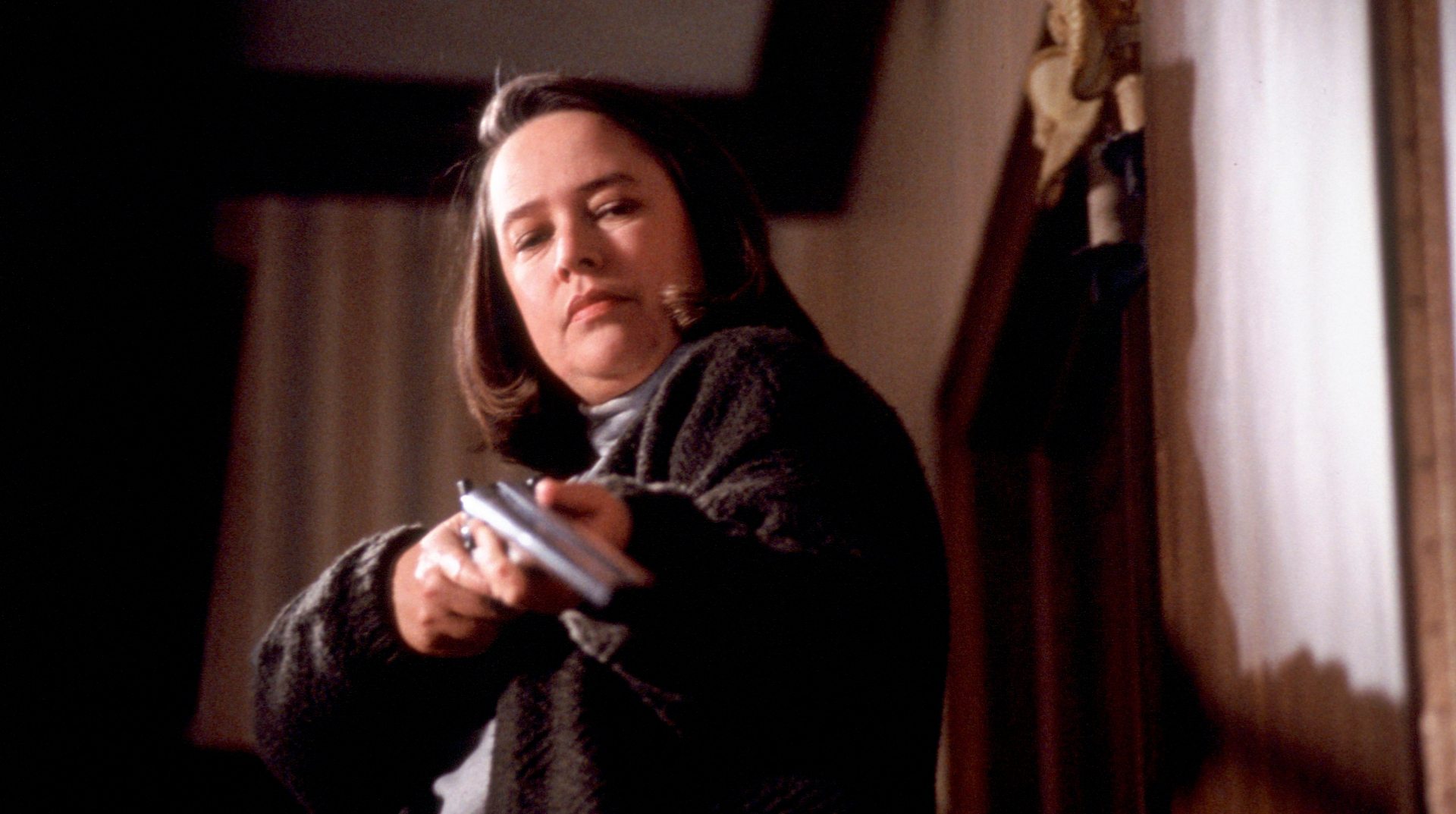
The Unsettling Dynamic Between Kathy Bates and James Caan in Misery
The 1990 film Misery, directed by Rob Reiner and based on a Stephen King novel, is widely regarded as one of the most disturbing psychological thrillers ever made. Central to its impact is the intense relationship between Annie Wilkes, played by Kathy Bates, and Paul Sheldon, portrayed by James Caan. Their on-screen dynamic is both chilling and unforgettable, with Bates’ performance earning her an Academy Award for Best Actress.
What many fans may not know is that the tension seen on screen was, in part, a reflection of real-life challenges during filming. Bates reportedly felt frustrated with Caan’s emotional distance during their shared scenes. When she brought this up to Reiner, expecting him to intervene, he instead encouraged her to channel those feelings into her performance. This decision ultimately contributed to the authenticity and power of the film.
Challenges in Connecting During Filming
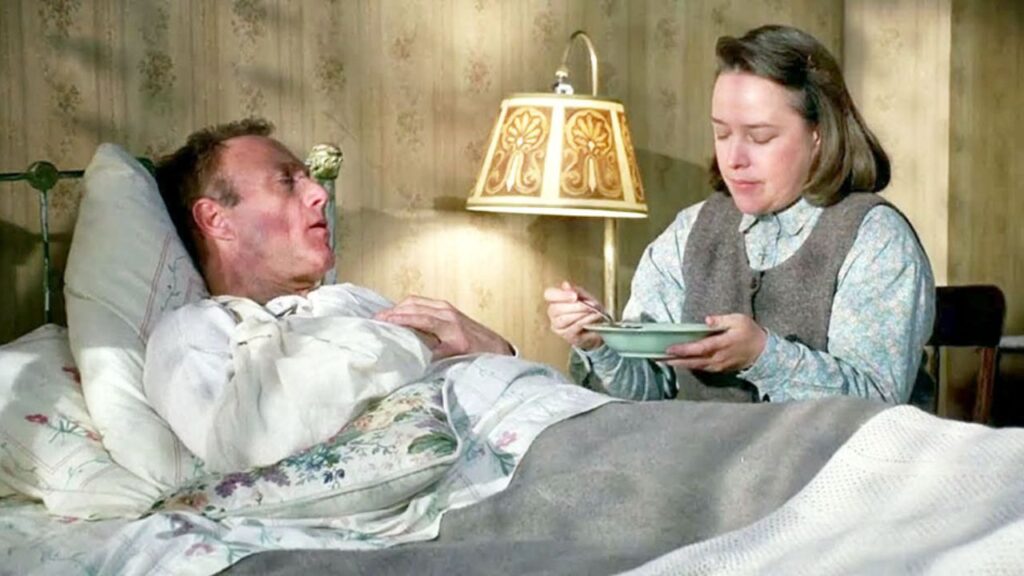
Making Misery was an emotionally taxing experience for everyone involved. The story itself is intense, built around the relationship between two people trapped in a confined space. Bates’ character, Annie Wilkes, is a deeply unstable fan whose admiration turns into something terrifying. Meanwhile, Caan’s character, Paul Sheldon, is scared, frustrated, and emotionally withdrawn throughout the movie.
This apparent disconnection between the two actors stemmed from their differing acting philosophies. Bates, coming from a theater background, preferred extensive rehearsals to perfect her performance. In contrast, Caan, an instinctive film actor, favored spontaneity on camera. Additionally, he was known for being highly active, which made the experience of being confined to a bed for 15 weeks of shooting particularly challenging.
Reiner deliberately stoked Caan’s claustrophobic frustration to match his character’s misery. According to accounts from the production, Bates grew increasingly frustrated because Caan was not fully connecting or listening to her during takes. She reportedly told Reiner, “Jimmy’s not relating to me—he’s not listening.” Instead of trying to resolve the issue, Reiner saw potential in the tension and advised her, “That’s true. Use it. Fuel your rage.”
The Impact of the Uncomfortable Atmosphere
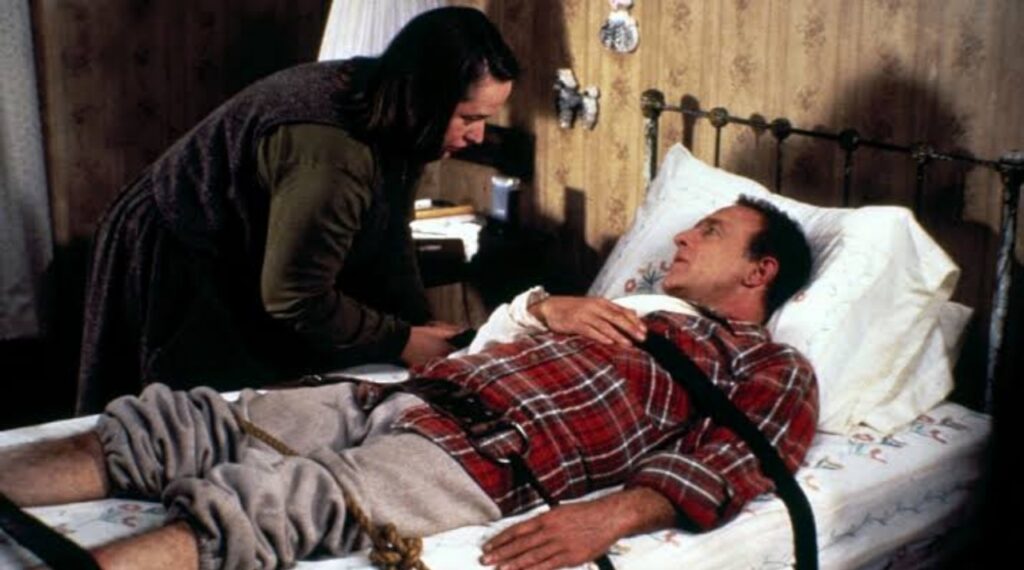
Bates’ portrayal of Annie Wilkes is unique in that she doesn’t come across as a typical horror villain. Her performance is marked by warmth, loneliness, vulnerability, and sudden anger, making the character unpredictable and frightening. This complexity adds to the film’s unsettling nature.
Caan, on the other hand, delivered a quiet and restrained performance. His fear is largely internal, which makes the scenes between the two actors even more uncomfortable. He rarely tries to overpower Annie emotionally, and this imbalance creates the suffocating feeling that defines the film.
Over time, the duo’s performances became legendary among film fans. Bates’ Oscar win was particularly significant because horror performances had rarely received such recognition from the Academy. The tension behind the scenes may have helped Misery become even stronger. What could have been a problem during production instead became part of the film’s emotional power.
Legacy of Misery
Now, three decades later, audiences still feel the unease between Annie and Paul in almost every scene, and that is a big reason the movie continues to intimidate. The film’s enduring impact is a testament to the authenticity of the performances and the creative decisions made during its production.
The unique dynamic between Bates and Caan, shaped by their differing approaches to acting and the director’s guidance, has left a lasting legacy in the world of cinema. It serves as a reminder of how real-life tensions can contribute to the creation of powerful and memorable films.