The Unfulfilled Opportunity: Ricciardo and Mercedes
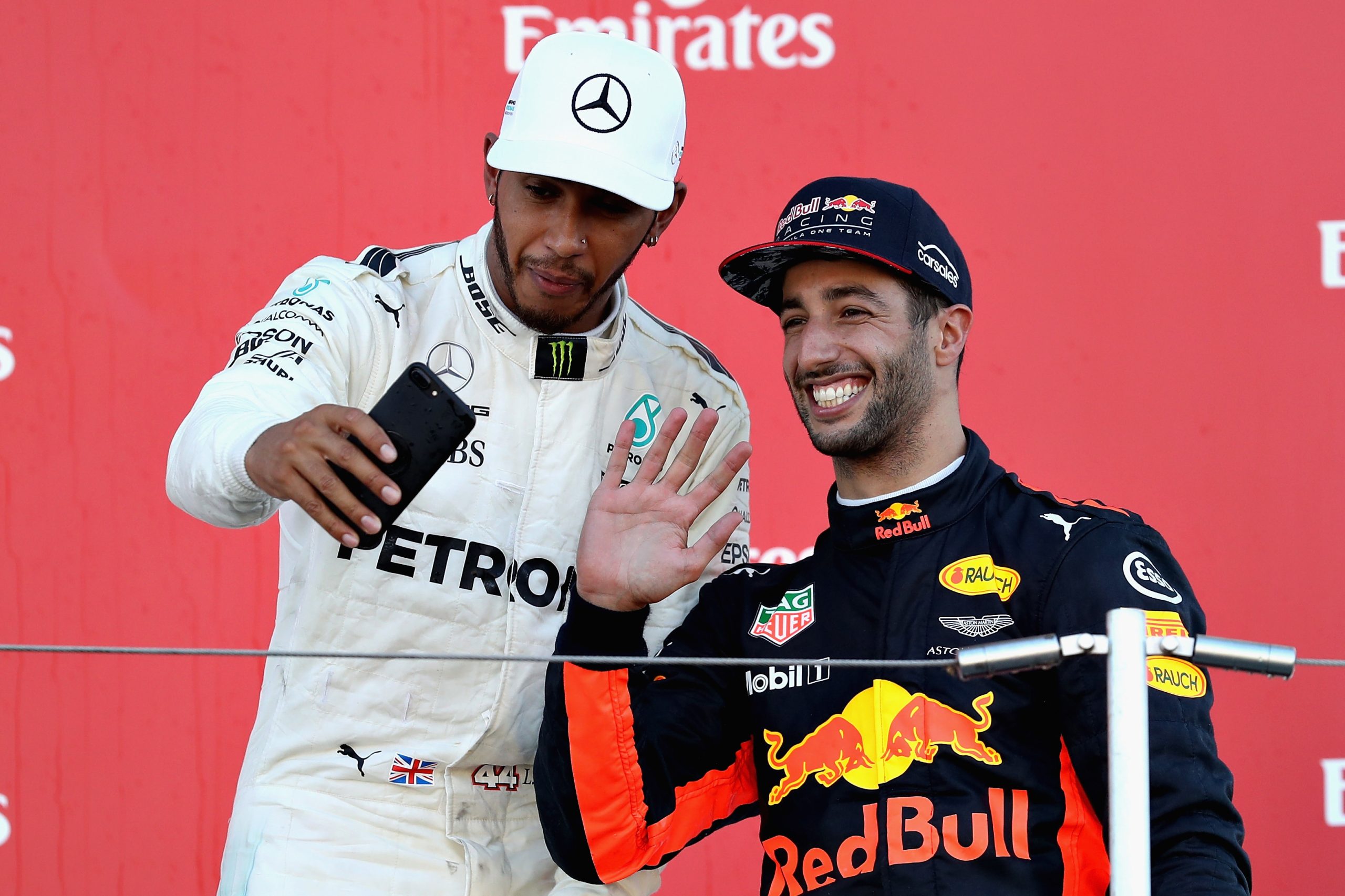
In a revealing account from Rachel Brookes, the former Sky Sports journalist and presenter, it was disclosed that Daniel Ricciardo was offered a contract to join Lewis Hamilton at Mercedes for the 2017 F1 season. This opportunity came after the unexpected retirement of Nico Rosberg, who had just secured the 2016 championship. Brookes detailed this in her new book, Drive, where she highlighted how Ricciardo was seen as the preferred replacement for Rosberg.
Mercedes had been dominant in Formula 1 since the start of the turbo-hybrid engine era in 2014. Their success was unparalleled, with multiple championships under their belt. However, the team found itself in an unusual position when Rosberg decided to retire, leaving a significant void in their driver lineup.
At the time, Ricciardo was under contract with Red Bull, which had struggled with their Renault engines. These engines were perceived as significantly less powerful than those used by Mercedes. Despite this, a potential Ricciardo-Hamilton partnership could have been one of the most formidable driver pairings in the history of the sport.
Brookes shared an insight into this situation, stating, “You’ll be hard pushed to find a driver who admits to a poor decision, but did you know, for example, that Daniel Ricciardo had an offer to replace Nico Rosberg at Mercedes when Rosberg left the sport in a shock announcement at the end of 2016?”
She further explained that while Ricciardo was tied to a contract with Red Bull, such agreements could be terminated with the right financial incentives. Instead of joining Mercedes, Ricciardo moved to Renault in 2019 and then to McLaren in 2021, just before their resurgence.
Brookes has been covering F1 since the late 2000s and has been with Sky Sport for over a decade. Her insights into the sport are highly regarded, and her book offers a unique perspective on some of the most pivotal moments in recent F1 history.
Rosberg’s retirement came as a shock to the motorsport community. He clinched the championship at the season-ending Abu Dhabi Grand Prix in November and announced his retirement just five days later. This was the first time a reigning world champion had retired since Alain Prost in 1993.
The timing of Rosberg’s announcement was particularly challenging for Mercedes, as most driver line-ups for the 2017 season were already set. Additionally, 2017 marked the introduction of new aerodynamic regulations, which significantly altered the design and performance of the cars. Drivers joining the team later would have faced a steep learning curve, making the situation even more complex.
Brookes did not specify whether Ricciardo declined the offer or if Red Bull blocked it. Instead, Valtteri Bottas, who had been driving for the Mercedes-powered Williams team, was brought in. Mercedes reportedly paid Williams around 10 million pounds to release Bottas from his contract.
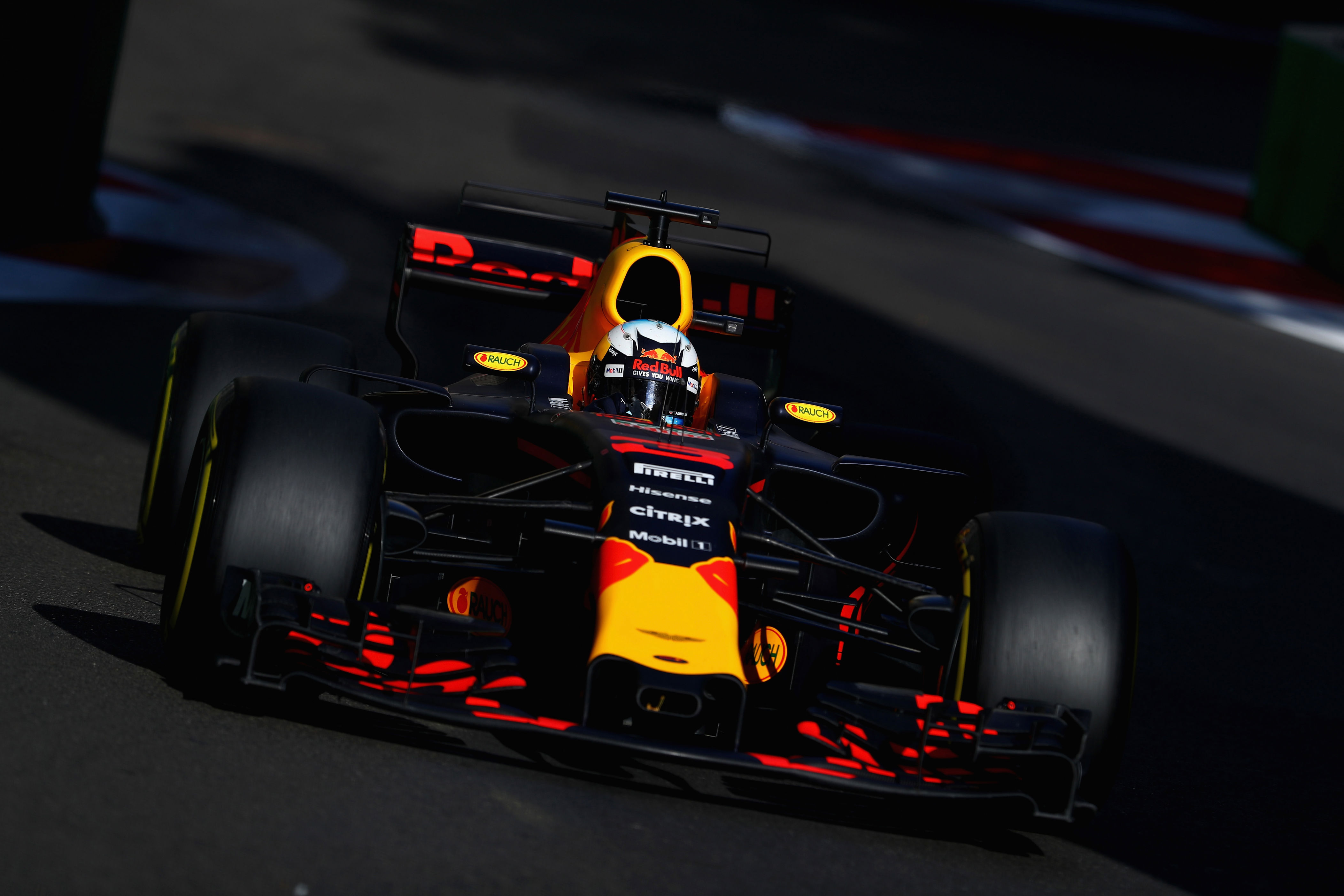
Ricciardo continued to perform well with Red Bull, winning three more races, including the 2017 Azerbaijan Grand Prix. He eventually moved to Renault in 2019. Meanwhile, Bottas went on to win nine races for Mercedes and finished second behind Hamilton in the standings in 2019 and 2020.
This story highlights the intricate dynamics of F1 contracts, the impact of team performance, and the unpredictable nature of the sport. It also underscores the significance of strategic decisions made by drivers and teams alike.