The Contradiction Behind Studio Ghibli’s Name
Using the name of an Italian military plane for an art studio seems quite contradictory, doesn’t it? But Hayao Miyazaki is a well-known pacifist who has openly criticized war throughout his career, even as he has remained fascinated by airplanes all his life. As a result, many of his films carry that same contradiction, portraying flying machines as symbols of both human freedom and humanity’s capacity for destruction.
This emotional conflict gives Miyazaki’s work a unique sense of melancholy, in which the beauty of flight is often shadowed by the painful historical memories of aviation and warfare, reminding viewers that technological wonder and human suffering have frequently existed side by side throughout history.
The Surprising Military Origin Of Studio Ghibli’s Name
Long before Studio Ghibli turned into one of the most recognizable creators of emotional stories with breathtaking animation, its name already carried an unusual connection to aviation history. The term “Ghibli” originated from the Italian Caproni Ca. 309 Ghibli, a reconnaissance and transport aircraft developed in the 1930s.
Interestingly, the word itself referred to a hot desert wind blowing across North Africa. Director Hayao Miyazaki intentionally chose the name because he wanted his studio to “blow a new wind” through the Japanese anime industry.
At the time, animated films in Japan were largely viewed as commercial entertainment rather than serious cinema. Miyazaki, alongside co-founders Isao Takahata and Toshio Suzuki, believed they could change the industry by creating films centered on realistic human emotions, philosophy, and environmental themes.
A Vision Beyond Marketing
In that sense, the aviation-inspired name became far more than a marketing decision. For Miyazaki, it represented the ambitious artistic vision behind the studio’s creation and its films.
The choice was also deeply connected to the director’s lifelong fascination with airplanes. Coming from a family involved in airplane manufacturing during the World War II era, Miyazaki developed a strong emotional connection to aviation from an early age—something that would later shape many of his films and visual ideas.
Miyazaki’s Emotional Conflict Between Flight And Warfare
Thus, the historical aviation reference behind the studio name reveals another intriguing paradox present in Hayao Miyazaki’s creative mind. As mentioned earlier, Miyazaki is known for his pacifism and hatred of war, yet he cannot help being obsessed with airplanes, engineering marvels, and the beauty of flight.
This contradiction is vividly reflected in his movies, where flying machines embody both human freedom and humanity’s capacity for destruction at the same time.
Reflections In His Films
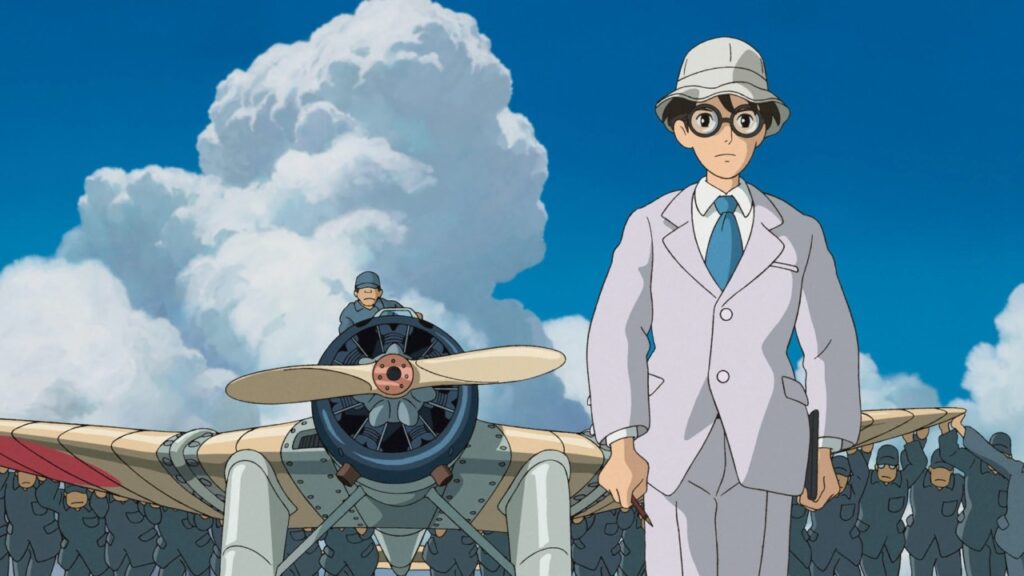
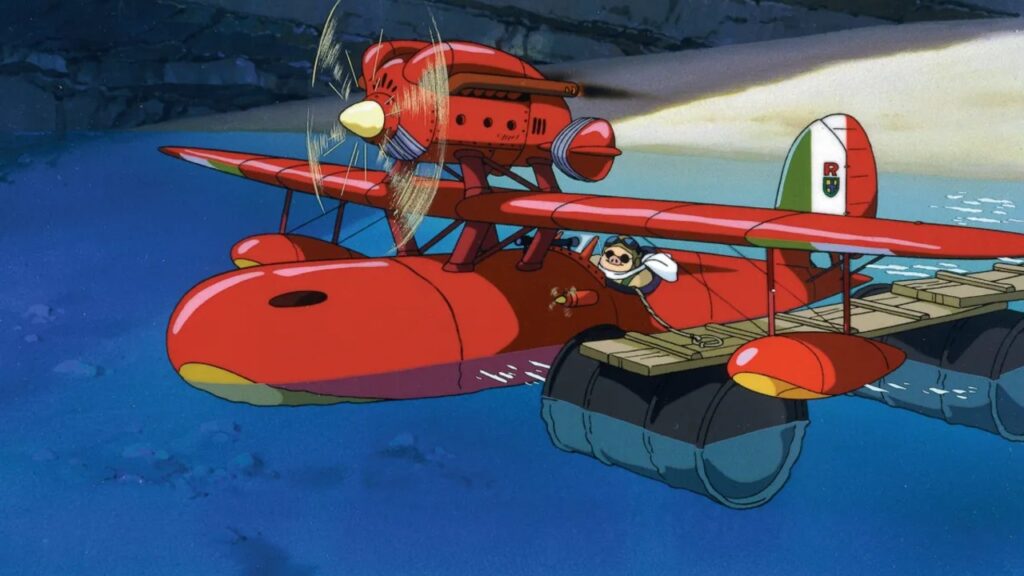
For example, movies like Porco Rosso glorify early aviation history through the adventures of pilots and romantic skies. In the case of The Wind Rises, Miyazaki turns his attention to the life story of the aircraft engineer Jiro Horikoshi, whose creations were later used for military purposes during WWII. Even in his fantasy films Castle in the Sky and Kiki’s Delivery Service, Miyazaki focuses on images of flights and floating cities.
It reflects Miyazaki’s belief that technology itself is not inherently evil, but rather shaped by the people who use it. Beneath the wonder of his animated worlds lies a quiet awareness that beauty and tragedy often exist side by side.
A Lasting Legacy
What do you think about the unique historical inspiration behind Studio Ghibli’s name? Let us know in the comments section below.
You Might Also Like To Read:
Top 10 Love-At-First-Sight Romance Movies