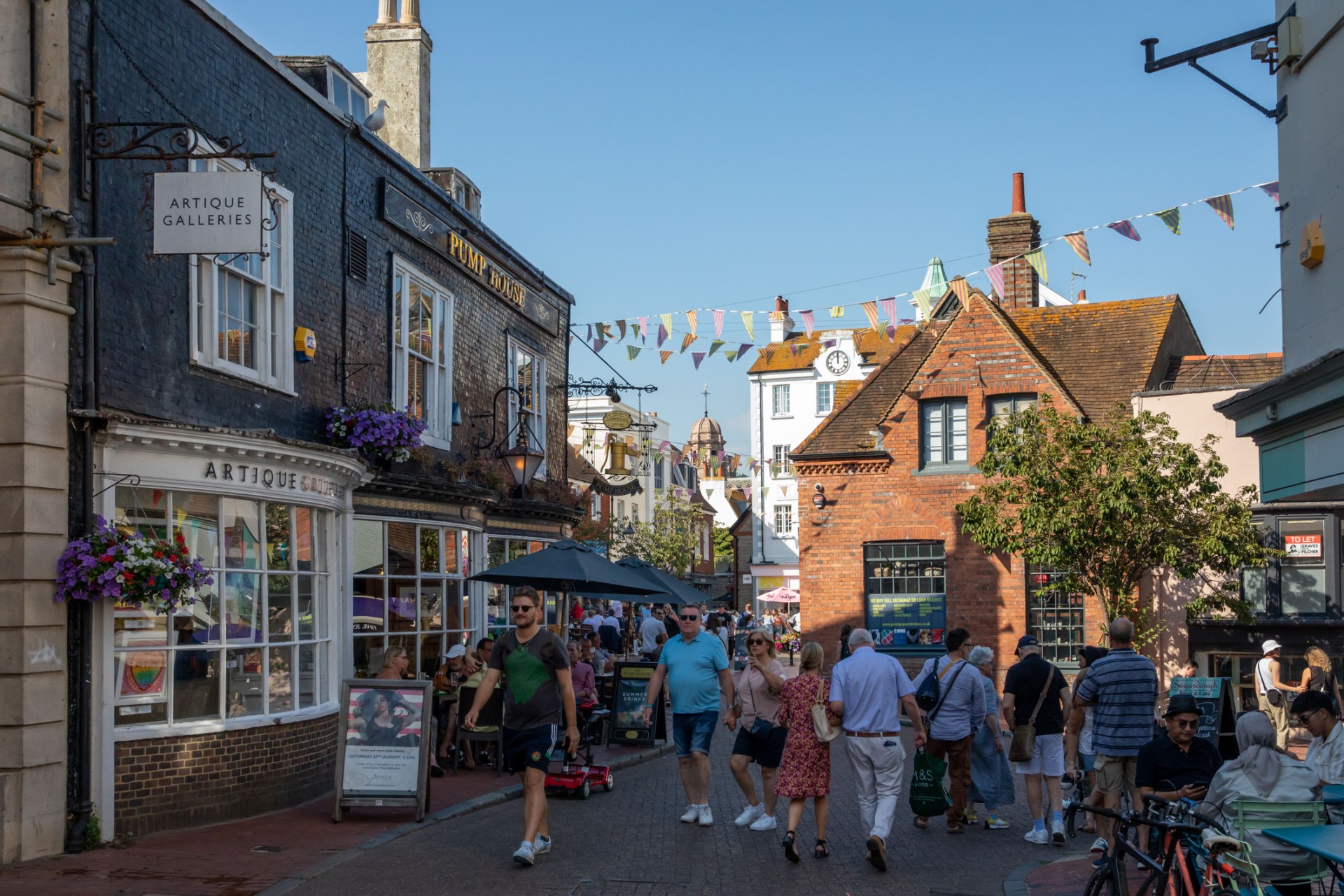
Whether you dislike flying or the chaos of entering and exiting Europe has made you reconsider, there are numerous reasons to choose a holiday closer to home. Britain offers a wealth of high-quality staycations, ranging from charming villages to creative islands and underrated countryside spots where you can disconnect from the grid. You don’t even need a car to explore the country; simply put on your trainers and head to the UK’s most walkable city.
This prestigious title belongs to Brighton, a beloved seaside destination on the East Sussex coast, known for its creative spirit and diverse culture. Last year, it ranked third in the world and first in the UK in Time Out’s survey of 18,500 people looking for the world’s most walkable cities. As a former resident, I can confirm this is true. Despite being hilly in some areas, the city’s 82.88 km² size ensures everything is within walking distance. From shops to pubs to restaurants, nothing is too far away.
Things to do in Brighton
Brighton’s music and arts scene is legendary. Over the years, the city has been home to famous figures such as David Gilmour of Pink Floyd and Fatboy Slim. Its musical history includes memorable moments like Abba’s 1974 Eurovision win. Today, the focus on grassroots music is more evident than ever. Venues like Green Door Store and The Rossi Bar support emerging artists and nurture local talent, hosting affordable events every night of the week. Bands like Lambrini Girls and Lime Garden have gained success through the city’s strong music community.
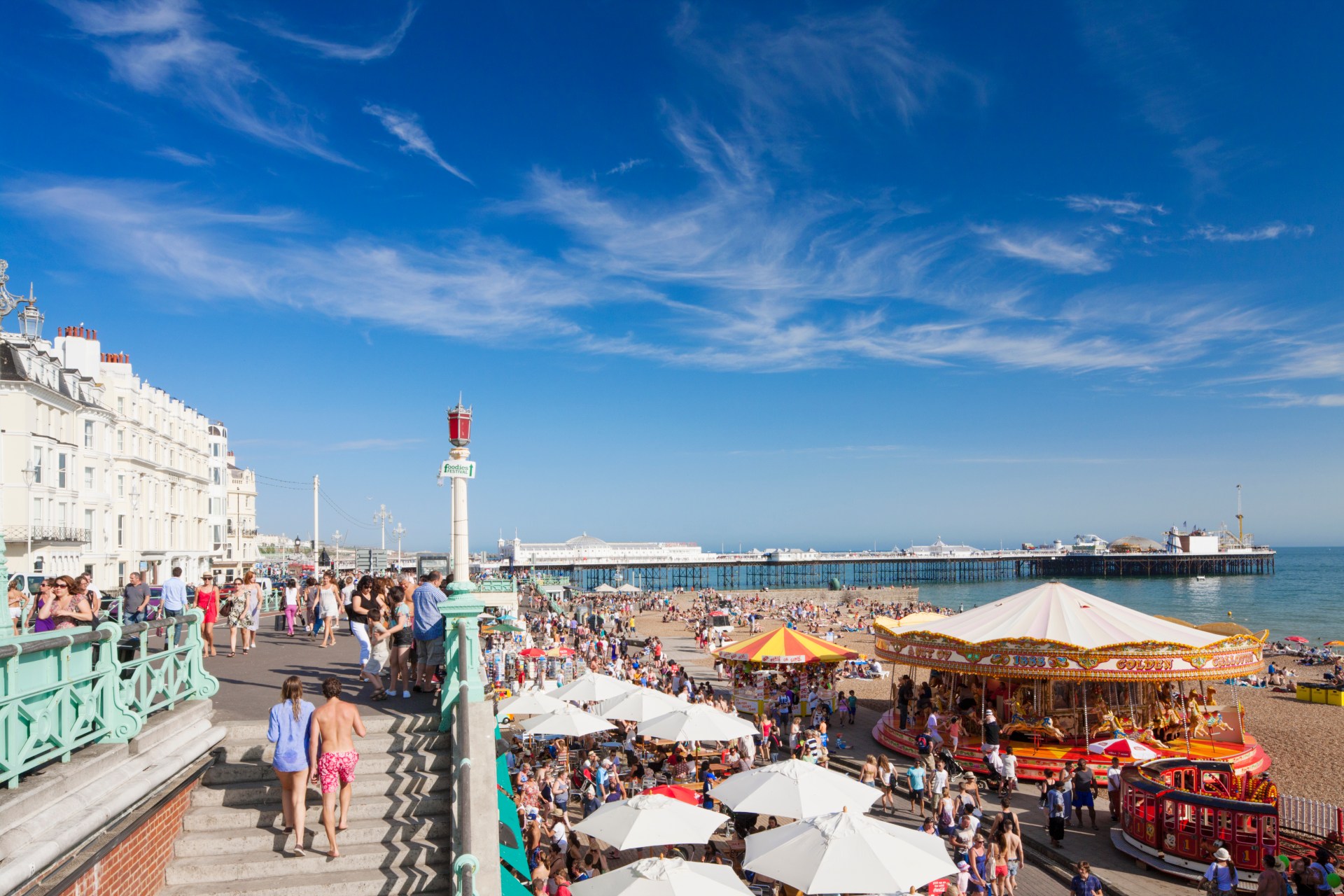
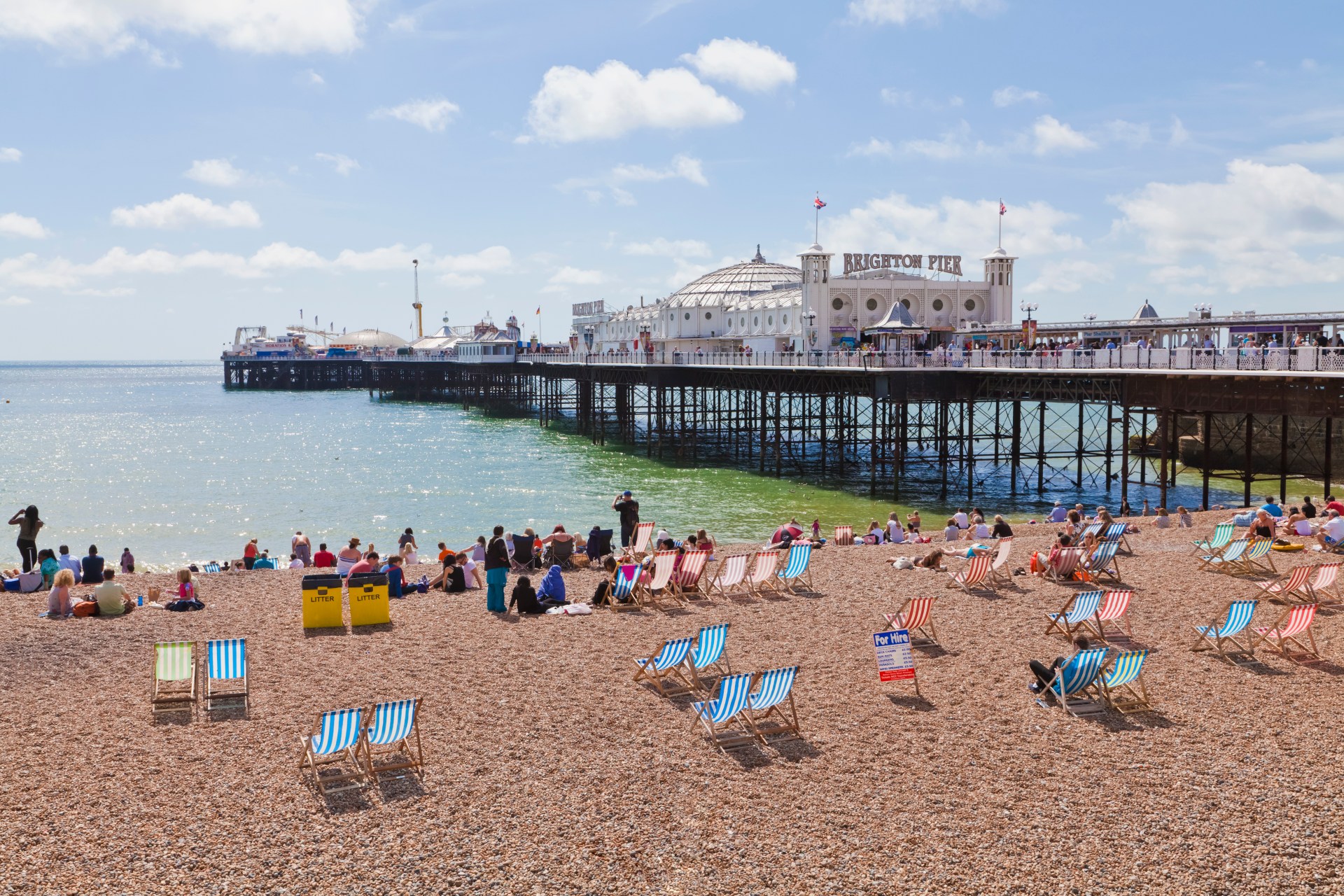
Events like 234 Fest and Homegrown Festival are must-attend gatherings in Brighton’s musical calendar. The annual Great Escape showcases both local and international artists. Early bird tickets for the 2027 event start at £113. If you’re looking for a budget-friendly day out, Brighton Beach and Brighton Palace Pier are ideal. The pier offers sugary doughnuts and arcade games just a short walk away.
Brighton Pride
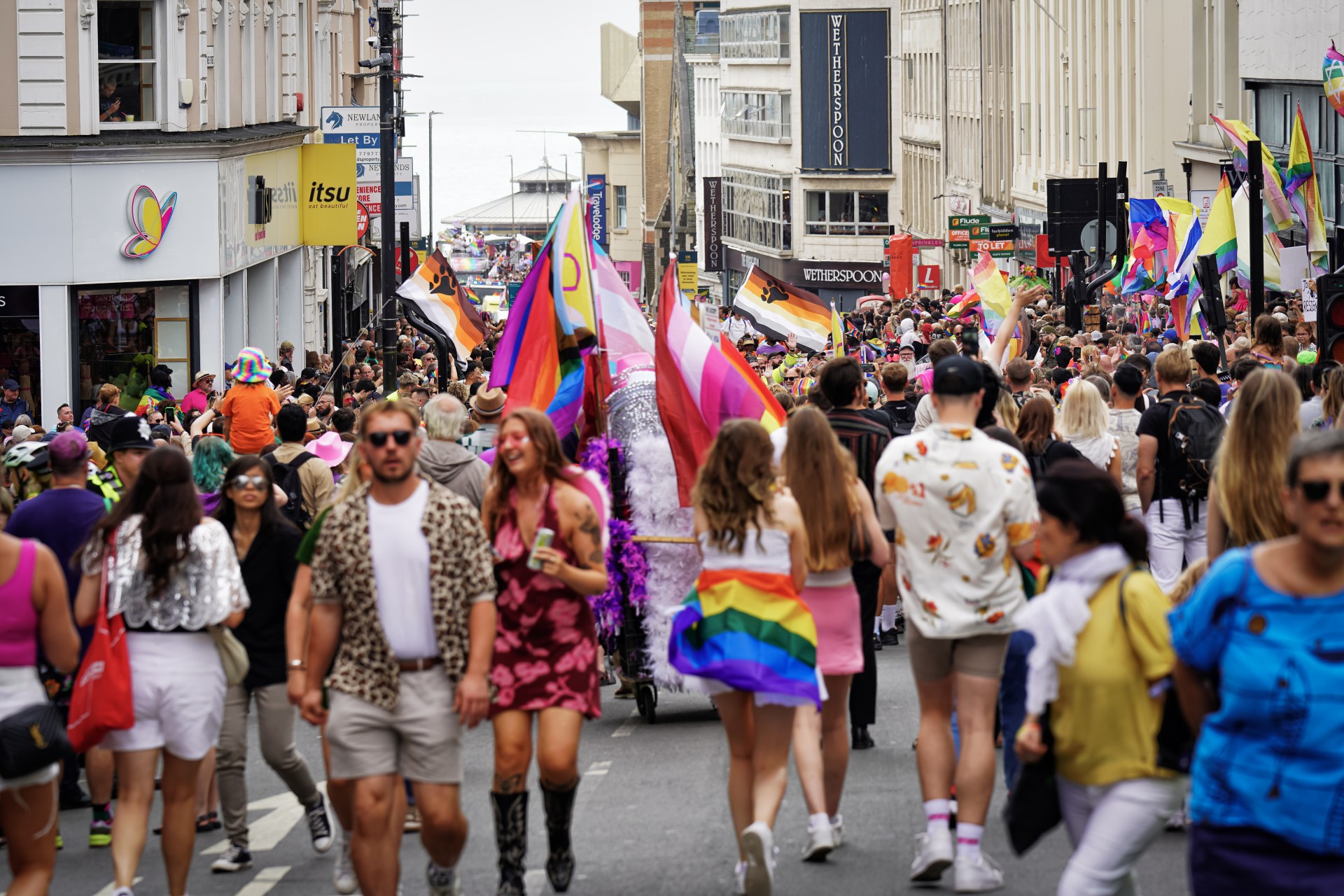
Brighton Pride is arguably the main event of the year and will celebrate its 35th anniversary in 2026. Held on the first weekend in August, it has become the UK’s most popular Pride Festival. The city is often regarded as the unofficial LGBTQ+ capital of Britain due to its vibrant queer culture. The parade through the city centre is an electrifying celebration of the LGBTQ+ community, while the event also serves as a time for remembrance and advocacy. This year’s line-up includes acts such as Diana Ross, Raye, Jessie J, and Paris Hilton. Weekend tickets are currently available starting at £154.20.
The best pubs and venues in Brighton
Inn on the Square – A city centre pub with plenty of outdoor seating. The friendly staff host regular gigs, and the Greek-inspired kitchen offers excellent side dishes, including meatballs priced at £9.50.
The Exchange – A hidden gem nestled in Hove, featuring artwork created by the general manager and serving delicious local beers.
Hope & Ruin – A music-focused venue with a neon interior that matches the events they host.
For a taste of history, visit the Royal Pavilion Garden, which allows you to experience Regency splendour. The Pavilion was built as a seaside pleasure palace for King George IV and features Gothic and Indo-Saracenic architecture. Entry costs £21.50.
When in Brighton, make sure to check out the North Laines. This iconic area is home to independent boutiques, vintage shops, and antique stores. Try a vegetarian café like Iydea or enjoy a pint at the White Rabbit opposite. It’s the perfect spot to soak up the bohemian vibe.
The Lanes, also known as the South Lanes, offer narrow, labyrinth-like walkways between the North Laines and the seafront. Here, you’ll find homeware shops, high-end brands, and popular pubs like The Black Lion and East Street Tap.
How to get to Brighton from London
From London, reaching Brighton is straightforward. Trains from London Bridge, Victoria, or Blackfriars take just over an hour, with one-way tickets starting at £9.
Why are walkable cities important?
As sustainable travel becomes more popular, many people are seeking destinations that allow them to make a positive environmental impact. Walkable cities have fewer cars, and when needed, public transport is used instead. This helps improve air quality. Additionally, studies show that people living in walkable cities tend to be healthier and happier. It’s just as easy to meet your daily step goal as it is to build friendships and community connections with neighbours.
This article was last published in May 2025 and has been updated.
Do you have a story to share?
Get in touch by emailing [email protected].
Comment now
Comments
Add as a Preferred Source on Google
Add as preferred source
Your exclusive seven-day guide to travelling with confidence.