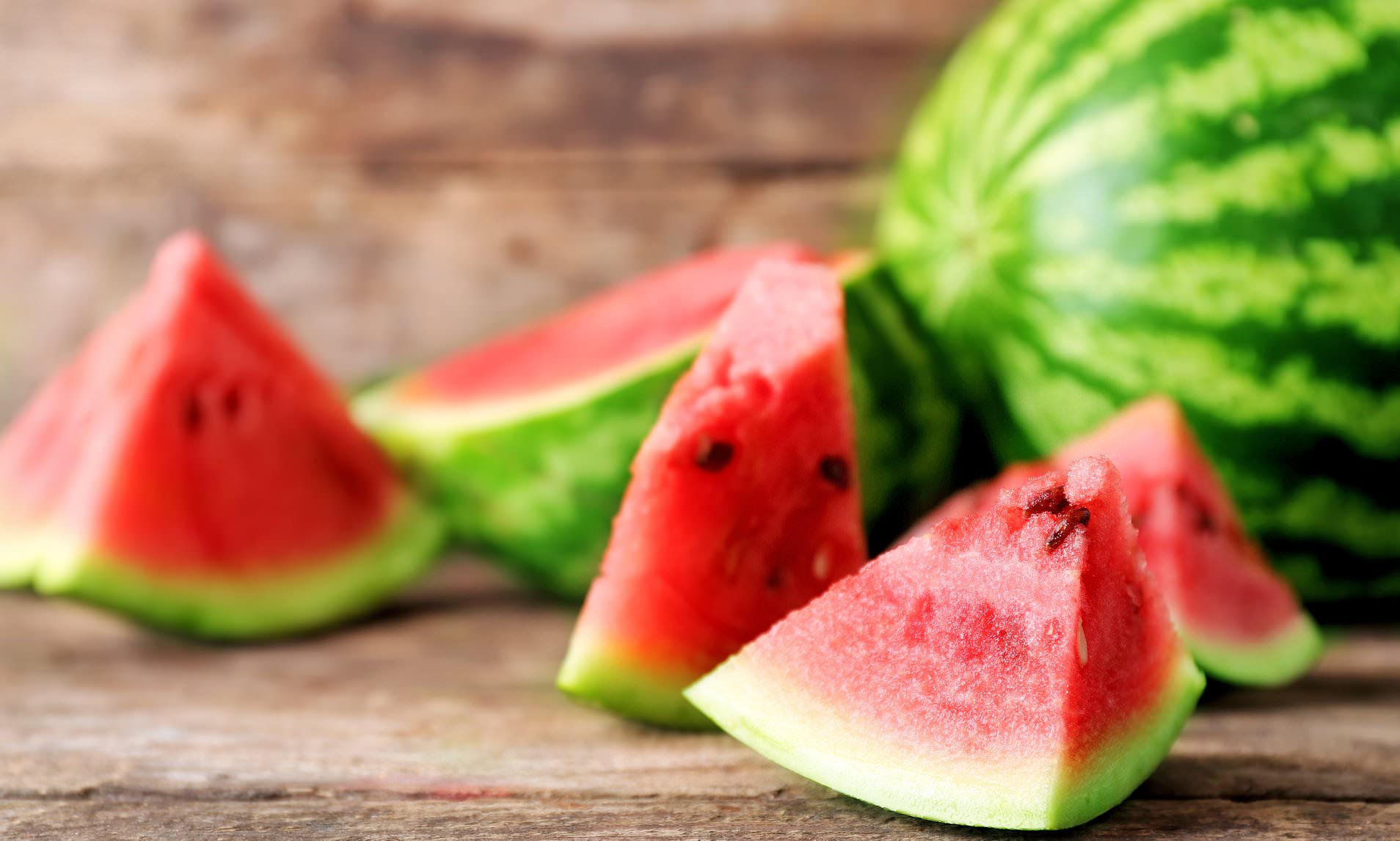
Watermelon is a beloved summer fruit, often enjoyed at picnics and gatherings where its juicy, pink flesh is eagerly bitten into by people of all ages. Beyond its refreshing taste, watermelon is increasingly being recognized for its numerous health benefits.
In addition to being a great way to stay hydrated, watermelon is considered a healthier alternative to sugary drinks and fruit juices. Nutritionists now suggest that this fruit is more than just a thirst quencher—it’s a nutrient powerhouse that can support heart health and even aid in weight loss.
A single cup of diced watermelon, approximately 152 grams or one slice, contains only 46 calories and 9 grams of sugar, while being 91% water. This makes it a guilt-free, sweet treat that can be enjoyed without worrying about excessive calorie intake.
The fruit’s red flesh is rich in lycopene, an antioxidant that gives watermelon its vibrant color. Lycopene is known for its ability to reduce inflammation and improve cardiovascular health. In fact, watermelon has more lycopene per serving than any other fruit or vegetable.
In addition to lycopene, watermelon also contains the amino acid L-citrulline, which can help lower blood pressure and cholesterol levels. Dr. Tiffany Bruno, a nutritionist at Switch4Good, shared her insights with the Daily Mail: “Watermelon is high in the antioxidant lycopene, which benefits cardiovascular health, plus the amino acid citrulline, which improves blood flow and supports healthy blood pressure. It’s also naturally high in potassium and magnesium, enhancing its hydration properties.”
She added, “While it’s delicious on its own, it can add brightness and sweetness to salads, mocktails, or even grilled and served as a side.” Nutritionists recommend eating watermelon on its own in slices, incorporating it into salads, or drinking it as juice to gain its nutritional benefits.
According to the USDA, a cup of diced watermelon contains 12 grams of carbohydrates and zero fat or sodium, making it a low-calorie option. It is also packed with essential nutrients such as:
- Lycopene: About 7 to 11 milligrams per serving, which helps fight cell damage by reducing free radicals.
- L-citrulline: Approximately 250 to 365 milligrams, used by the body to produce nitric oxide, which helps regulate blood pressure.
- Vitamin A: Around 865 international units, equivalent to the daily requirement, supporting immune function.
- Vitamin C: 12 milligrams, which helps fight inflammation and cellular damage.
- Potassium: 170 milligrams, aiding muscle contractions.

Lara Whitson, a registered nutritionist, told the Cleveland Clinic: “We think of watermelon as a fun, seasonal food for barbeques and the beach, but it’s also really good for you. It’s low in calories, keeps you hydrated and provides many other nutrients that can help you maintain good health.”
A meta-analysis of nine studies on lycopene published in 2025 showed that people who consumed more of the nutrient had significant improvements in their blood pressure and a lower risk of heart disease. The study concluded that daily intake of five to 30 milligrams of lycopene—equivalent to one watermelon slice or one or two tomatoes—was beneficial.
Another study from Louisiana State University in 2022 explored whether watermelon juice could protect blood vessel function. In the study, 18 healthy young adults consumed watermelon juice for two weeks. Results showed that the juice helped maintain their blood vessel function and heart rate variability.
Other research has also suggested that eating watermelon can aid in weight loss. A 2019 study monitored 33 overweight and obese individuals. During one four-week period, participants ate watermelon daily, and during another four weeks, they consumed one low-fat cookie every 24 hours. Participants reported feeling less hungry during the watermelon month, and results showed slight drops in body weight and blood pressure.
A 2023 study also highlighted the weight loss benefits. It involved children aged 10 to 17 years who drank a cup of blended watermelon every day for eight weeks and then drank a sugary drink with the same number of calories for the same period. Results showed that drinking watermelon juice led to mild improvements in body fat and overall weight.