The Growing Concern Over Oversized Vehicles in Australian Cities
As the number of road fatalities in Australia continues to rise, a growing concern is the increasing presence of oversized vehicles on urban roads. This issue has been highlighted by Dr Ingrid Johnston, the chief executive of the Australasian College of Road Safety (ACRS), who has called for a reevaluation of the necessity of large vehicles in city environments.
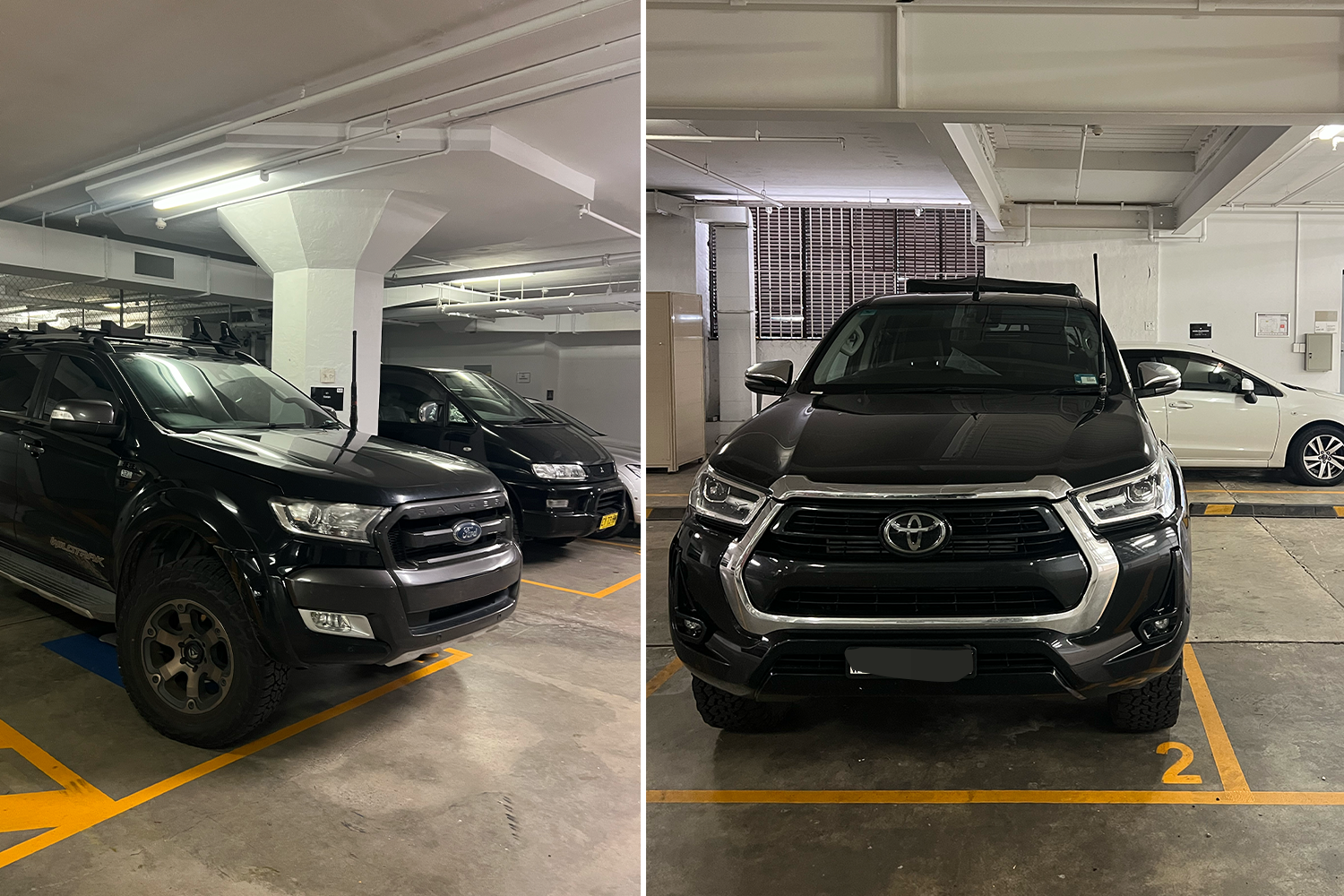
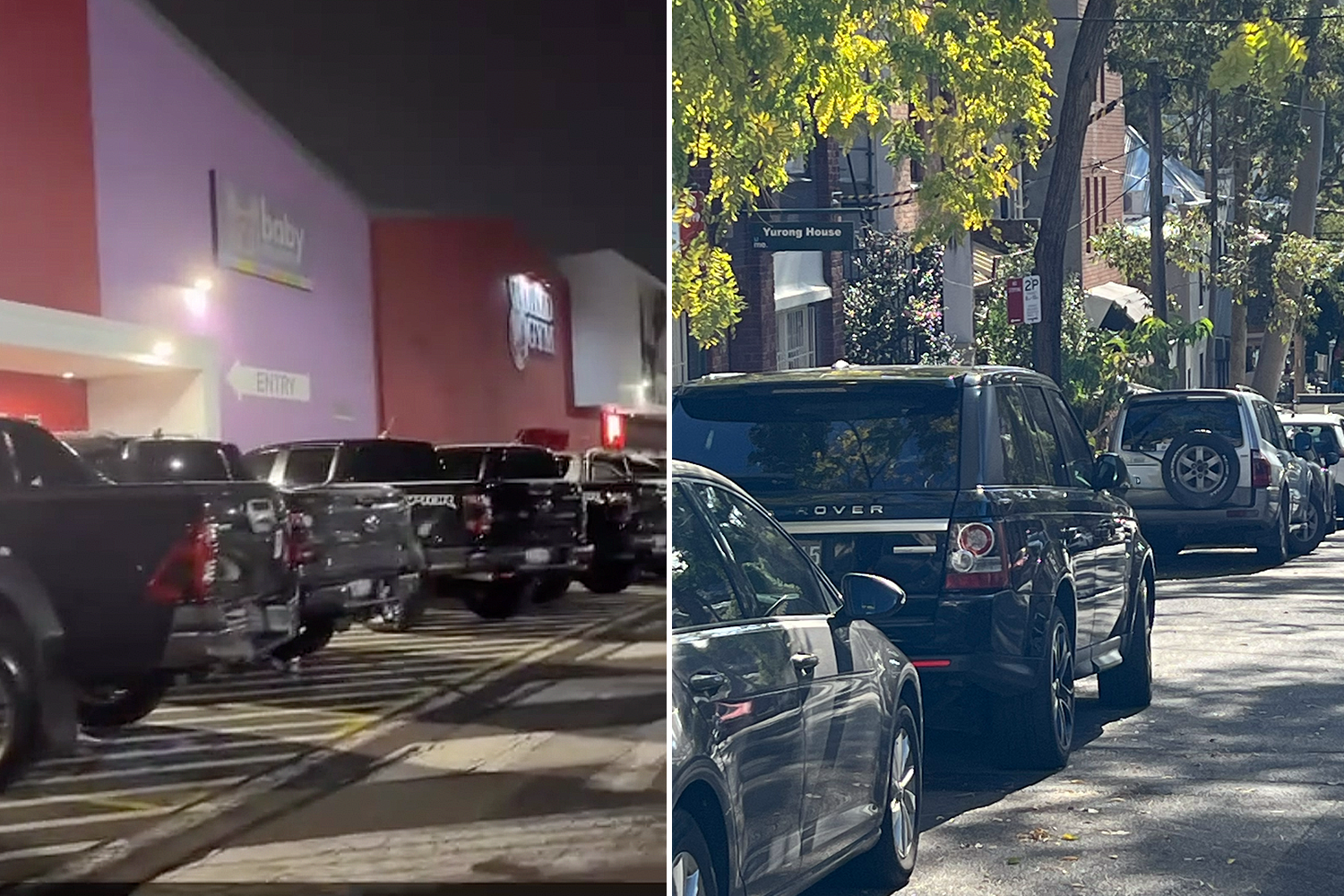
Dr Johnston emphasized that the rise in fatalities among pedestrians and cyclists is closely linked to the popularity of larger vehicles such as utes and SUVs. These vehicles are not only heavier but also have larger blind spots, making them more dangerous in urban areas where pedestrians and cyclists are common.
The Dominance of SUVs and Utes in the Market
According to data from the Federal Chamber of Automotive Industries (FCAI), SUVs and utes now make up over 83% of new vehicle sales in Australia. This trend has led to a significant decline in the sales of traditional passenger cars like sedans and hatchbacks. The demand for larger vehicles has been driven by consumer preferences, with models like the Ford Ranger leading the market.
While some parents argue that larger vehicles offer more space for car seats and additional storage, Dr Johnston questions whether these vehicles are truly necessary for everyday tasks such as picking up children from school or running errands.
The Impact of Large Vehicles on Road Safety
Research indicates that for every 10 new vehicles on Australian roads, about six are SUVs, two are utes, and barely more than one is a traditional sedan or hatchback. Dr Johnston pointed out that while larger vehicles have their place, they should not be used for routine trips that could be handled by smaller, more suitable vehicles.
She highlighted that the perception of safety associated with larger vehicles is misleading. “The idea that everyone should just be in a bigger vehicle so we’re all safer — that’s a race to the bottom,” she said.
School Pick-Up: A Case Study
School pick-up times serve as a prime example of how oversized vehicles contribute to unsafe conditions. Many parents opt to drive their children short distances to school due to concerns about the presence of large vehicles. This behavior creates a cycle of fear and dependence on larger vehicles, which further exacerbates the problem.
Dr Johnston noted that without safe, separated paths for pedestrians and cyclists, the risk of accidents remains high. “There are too many of these enormous vehicles there, and there’s no safe, separated path for them to follow to get themselves to school,” she explained.
Calls for a National Road Safety Framework
Dr Johnston’s comments come during National Road Safety Week, an annual initiative aimed at promoting safer driving behaviors. She stressed the importance of updating the national road safety action plan, which expired in 2025. Without a renewed commitment, efforts to reduce road trauma will become fragmented and less effective.
“Other countries can do this. We can too. We just need to take it more seriously,” she said. The increase in fatalities per 100,000 people over the last five years underscores the urgency of the situation.
Conclusion
The growing reliance on oversized vehicles in Australia presents significant challenges to road safety. As the number of road fatalities continues to rise, it is crucial to reconsider the role of these vehicles in urban environments. By promoting safer alternatives and implementing a comprehensive national road safety framework, Australia can work towards reducing road trauma and creating a more livable community for all.