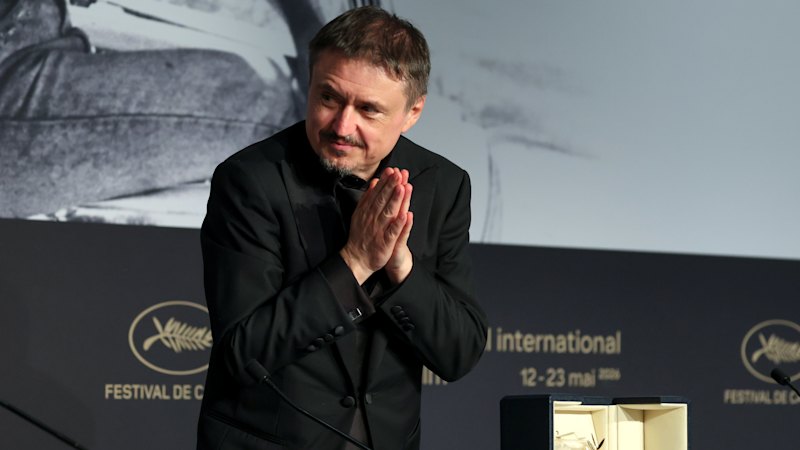
The Cannes Film Festival has concluded with the prestigious Palme d’Or being awarded to the Norwegian film Fjord, directed by Romanian filmmaker Cristian Mungiu. This film, which explores themes of political polarization, was not a surprise to many, as Mungiu had previously won the Palme d’Or in 2008 for Four Months, Three Weeks and Two Days. The subdued nature of the win mirrored the overall tone of the festival, which saw lower attendance and fewer high-profile premieres than in previous years.
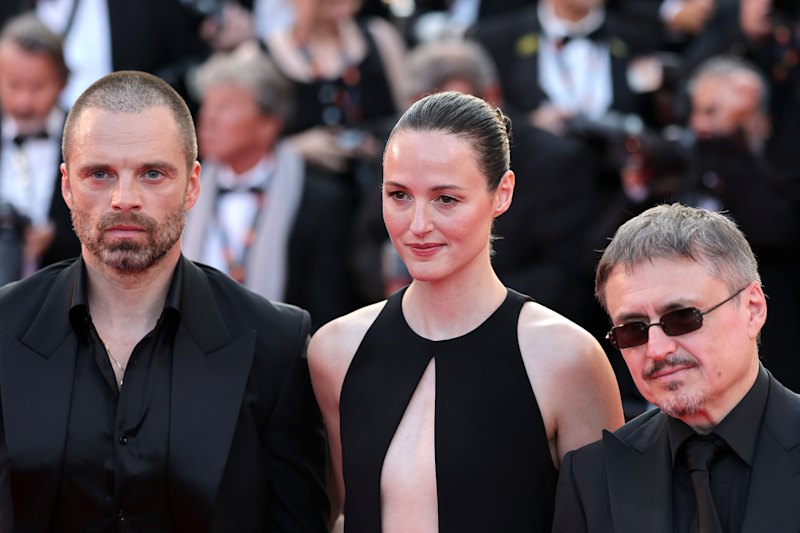
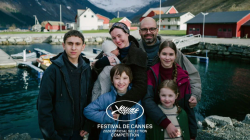
Fjord tells the story of a fundamentalist Christian couple, played by Sebastian Stan and Renate Reinsve, whose children are taken away by Norwegian authorities after Stan’s character, a Romanian immigrant, is reported for physically disciplining his daughter. Based on a real-life case, the film highlights the cultural and ideological tensions that arise when different groups clash within societies that claim to be inclusive, especially regarding immigration.
While some critics were unconvinced by the film, its victory over strong contenders like Pawel Pawlikowski’s Fatherland and Andrey Zvyagintsev’s Minotaur was notable. The jury, led by Korean director Park Chan-wook, ensured that most of the top films received recognition, with several awards shared among the contenders.
One of the standout films of the festival was All of a Sudden, directed by Japanese filmmaker Ryusuke Hamaguchi. It won the best actress award for its two leading actresses, Virginie Efira and Tao Okamoto, who play a progressive nursing home director and a visiting Japanese theatre director dying of cancer. The film’s emotional depth and nuanced performances were widely praised.
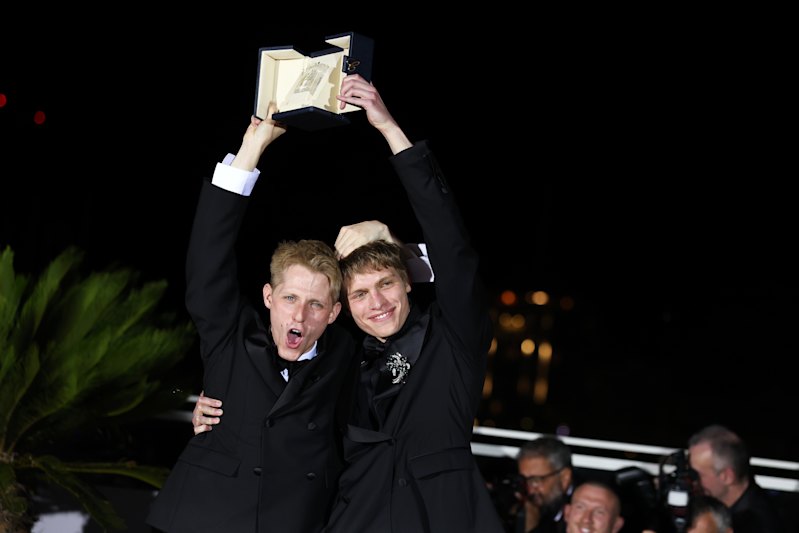
The best actor award was also shared between Emmanuel Macchia and Valentin Campagne, who portrayed a couple in Coward, a Belgian film directed by Lukas Dhont. Set during World War I, the film explored the romance between young men, reflecting a trend that was evident across several festival entries. Another highlight was Club Kid, a modestly budgeted feelgood film that sold for $US17 million, about a drug-happy New York club impresario who must care for a son he never knew he had.
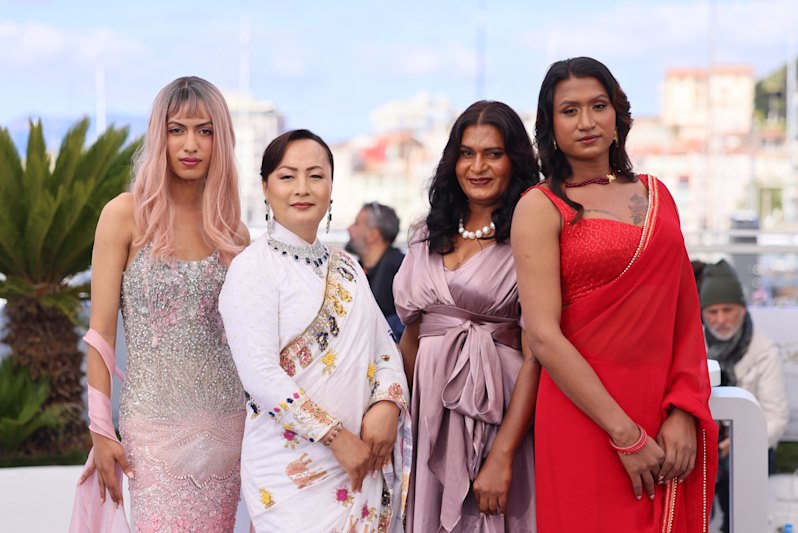
Queer stories were prominent at this year’s festival, ranging from the lesbian horror of Jane Schoenbrun’s Teenage Sex and Death in Camp Miasma to the Un Certain Regard sidebar winner Elephants in the Fog, which depicted life within a socially sanctioned transsexual cult in Nepal. According to the director of the Queer Palm award, this was the gayest Cannes ever.
Another significant theme was the French experience of World War II, particularly the legacy of Vichy France’s collaboration with the Nazis. The screenplay award went to Emmanuel Marre for A Man of His Time, a sombre exploration of a functionary’s moral decline within the Vichy bureaucracy. In contrast, Antonin Baudry’s Bataille de Gaulle celebrated Charles de Gaulle’s transformation into a national hero. Laszlo Nemes, known for Son of Saul, returned with Moulin, focusing on Resistance leader Jean Moulin, who also appears in Bataille de Gaulle. The overlapping narratives offered a rich cinematic experience.
Outside competition, When the Night Falls, directed by Daniel Auteuil, stood out. It follows priests and welfare workers under the Vichy regime who rescued hundreds of children from execution. These films, despite their historical setting, felt urgent and relevant.
The festival also reflected contemporary tensions. While there were discussions about the role of politics in cinema, no major controversies erupted. However, there were signs of unrest, such as boos whenever the Canal Plus logo appeared on screen. This was in response to concerns over Vincent Bollore, the owner of the network, who supports various proto-Fascist parties. Over 3,800 artists and technicians signed an open letter protesting against his editorial control, including stars like Juliette Binoche and Mark Ruffalo.
Despite the challenges, the festival remained a hub of artistic expression and critical discourse, bringing important issues to the forefront of the global film community.