Queensland Maroons Face Tough Challenge in State of Origin Series
Despite lifting the State of Origin shield last year, the Queensland Maroons are entering Game 1 of this year’s series as underdogs. This shouldn’t come as a surprise given several challenges they face.
Thomas Dearden is out injured, and there’s a shortage of outside backs. Additionally, the Maroons will be playing on the road for Game 1, while the Blues are eager to bounce back from last year’s poor performance. If the Maroons can secure a win in Sydney on Wednesday evening, they could be strong favorites to win one of the next two games, which will be held in Victoria, a traditionally supportive venue for Queensland. A potential decider at Lang Park, a historic fortress for the Maroons, could also be in their favor.
Coaching Decisions Spark Debate
Queensland head coach Billy Slater has a history of making controversial selection choices, and the current squad leading into Game 1 is no exception. The inclusion of Jojo Fifita, starting Thomas Flegler, picking Kurt Capewell, and leaving Kulikefu Finefeuiaki as the 20th man have all sparked discussion.
These decisions can be debated, and if the Maroons lose on Wednesday, they will likely be scrutinized. However, if they win, Slater could once again be hailed as a genius, similar to his success after dropping Daly Cherry-Evans last year.
Key Changes at Lock
One major change Slater must make is at the lock position. This isn’t a criticism of Max Plath, who has earned his Origin jersey and consistently performs well for the Dolphins. Whether starting or coming off the bench, he delivers for Queensland every week.
The push for Plath to start comes from two main factors. First, it’s about Trent Loiero. While the Storm lock isn’t in peak form, Slater has chosen to stick with him, much like he did after a strong performance last year. However, Loiero came off the bench in Game 1 last year, and that didn’t work out.
What the Maroons need is impact on the bench, not a player better suited for 80 minutes. Players like Dallas Johnson and Ashley Harrison, known for their physicality and ability to tackle anything that moves, fit this mold. Loiero is similar, and his best use is during the first half an hour when the pace is high and the game is physical.
Strategic Considerations
The second factor involves Max Plath potentially being needed at dummy half later in the game. If the match is fast-paced, Harry Grant might struggle to maintain efficiency throughout the 80 minutes. Given the way the NRL has been played this season, a fast contest is likely.
Having Plath come on fresh to play at dummy half, or at least avoid the opening exchanges, would benefit the Maroons compared to moving him from lock at some point with half an hour already in the legs.
In contrast, the Blues will likely bring on Blayke Brailey, who thrives on the bench and could cause problems for Queensland.
How Queensland Can Win
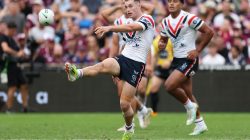
For the Maroons to win Origin 1, they need to slow the game down. They are away from home against a Blues side eager to move the ball and involve their second-rowers early. Haumole Olakau’atu and Hudson Young are dangerous if the Blues can maintain a high pace and keep the ball moving.
If Queensland can control the ruck, territory, and by extension, the pace of the game, they will be very difficult to beat. Although we don’t know what’s in Slater’s mind, his selections seem to align with this strategy. Thomas Flegler starting, Reuben Cotter and Kurt Capewell on the edge, Harry Grant playing big minutes, and Patrick Carrigan coming off the bench as he did last year all support this approach.
Loiero starting makes sense when considering all these factors. While there is a risk if they can’t control the game and Plath could be useful, if the Maroons can stop the Blues from playing free-flowing footy, they take a significant step towards victory.
The best chance of doing that is to slow the game down, and the best player to do that is Loiero at the start, with Plath ready to be introduced when needed later in the contest.