What is Creatine?
Creatine is a naturally occurring compound that the body produces from three amino acids: arginine, glycine, and methionine. According to Jen Messer, a registered dietitian and president of the New Hampshire Academy of Nutrition and Dietetics, the human body generates approximately 1 to 2 grams of creatine daily, mainly in the liver, kidneys, and pancreas.
In addition to being produced internally, creatine can also be obtained through food, particularly animal-based products like red meat, poultry, pork, and fish. However, the amounts found in these foods are relatively small. For example, it might take around 1 to 2 pounds of meat to match the creatine content in a typical supplement serving.
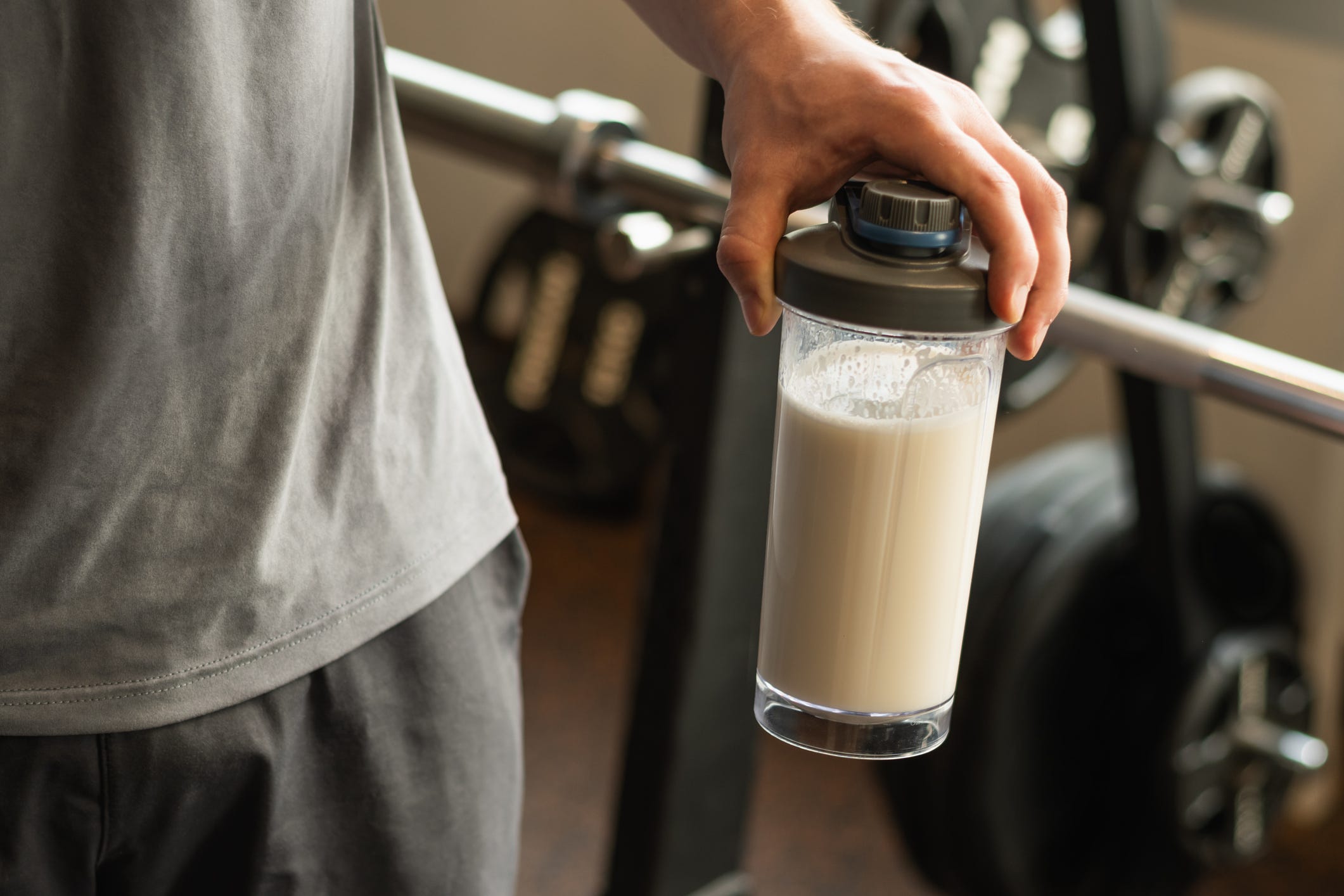
Due to this low natural intake, many athletes, gym-goers, and older adults opt for creatine supplements. These supplements come in various forms, including powders, capsules, gummies, and ready-to-drink beverages. Among these, creatine monohydrate is the most researched and commonly recommended form, as noted by Yasi Ansari, a registered dietitian nutritionist and certified sports dietetics specialist based in Los Angeles.
What Does Creatine Do? And Is It Good for You?
Creatine supplementation has been shown to offer numerous benefits for many people. While it is best known for enhancing high-intensity exercise performance—such as sprinting, weightlifting, jumping, or interval training—studies have also demonstrated its ability to improve anaerobic capacity, training volume, muscular strength, power output, and lean muscle mass gains.
According to Ansari, creatine may be especially beneficial for trained female athletes, as women tend to store lower baseline levels of creatine in their muscles compared to men. Beyond athletic performance, research suggests that creatine could support various aspects of health, including neurodegenerative diseases like muscular dystrophy, Parkinson’s, and Huntington’s, as well as traumatic brain injury, diabetes, osteoarthritis, fibromyalgia, and sarcopenia in older adults.
Emerging evidence also points to cognitive benefits, such as improved reaction time, focus, and mood. In particular, creatine has shown potential in helping with depressive symptoms. For instance, an eight-week randomized controlled trial (RCT) in adults with depression who were receiving cognitive behavioral therapy found that daily supplementation with creatine monohydrate improved depression symptoms more effectively than a placebo.
How Much Creatine Per Day?
One reason creatine remains popular is that it is not only effective but also safe for most healthy individuals when used appropriately. Ansari notes that the most common side effects are generally mild and temporary, such as water-weight gain, bloating, stomach discomfort, or gas, especially when starting with higher doses. However, taking smaller daily amounts and staying well-hydrated can help minimize these symptoms.
It is also important to consider that creatine has not been extensively studied across all populations. Messer highlights that there is limited safety data for pregnant and breastfeeding women, children, and adolescents. Additionally, individuals with preexisting kidney disease or certain metabolic conditions should exercise caution.
Despite some persistent myths, well-controlled studies in healthy subjects, including long-term supplementation up to five years, show no adverse effects on kidney function in healthy individuals. Messer also cautions that there is no clear causal link between creatine intake and hair loss, despite ongoing debate stemming from limited early findings. Another common myth is that creatine causes dehydration, but it does not appear to increase dehydration risk and may even improve thermoregulation.
Recommended Intake Levels
The International Society of Sports Nutrition recommends a typical maintenance dose of about 3 to 5 grams per day of creatine monohydrate for most adults. This form remains the gold standard due to its extensive research, cost-effectiveness, and consistent results.
Ansari advises clients to avoid supplements that use terms like “blend” or “proprietary blends,” as these may indicate unclear ingredient amounts or unnecessary additives. Instead, she recommends looking for third-party-tested supplements, such as those with NSF-Certified for Sport.