Heatwave in the UK: A Call for Extra Caution
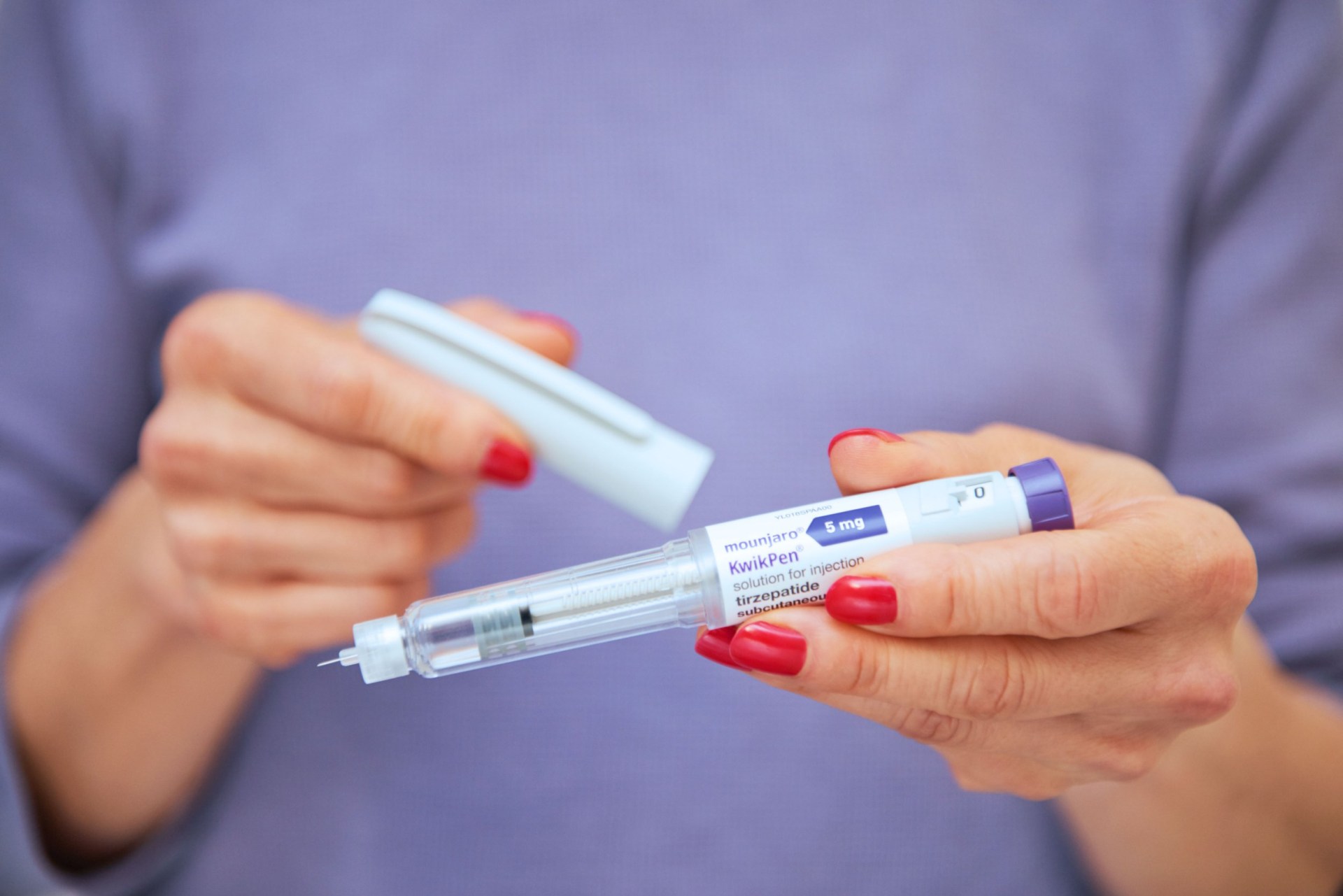
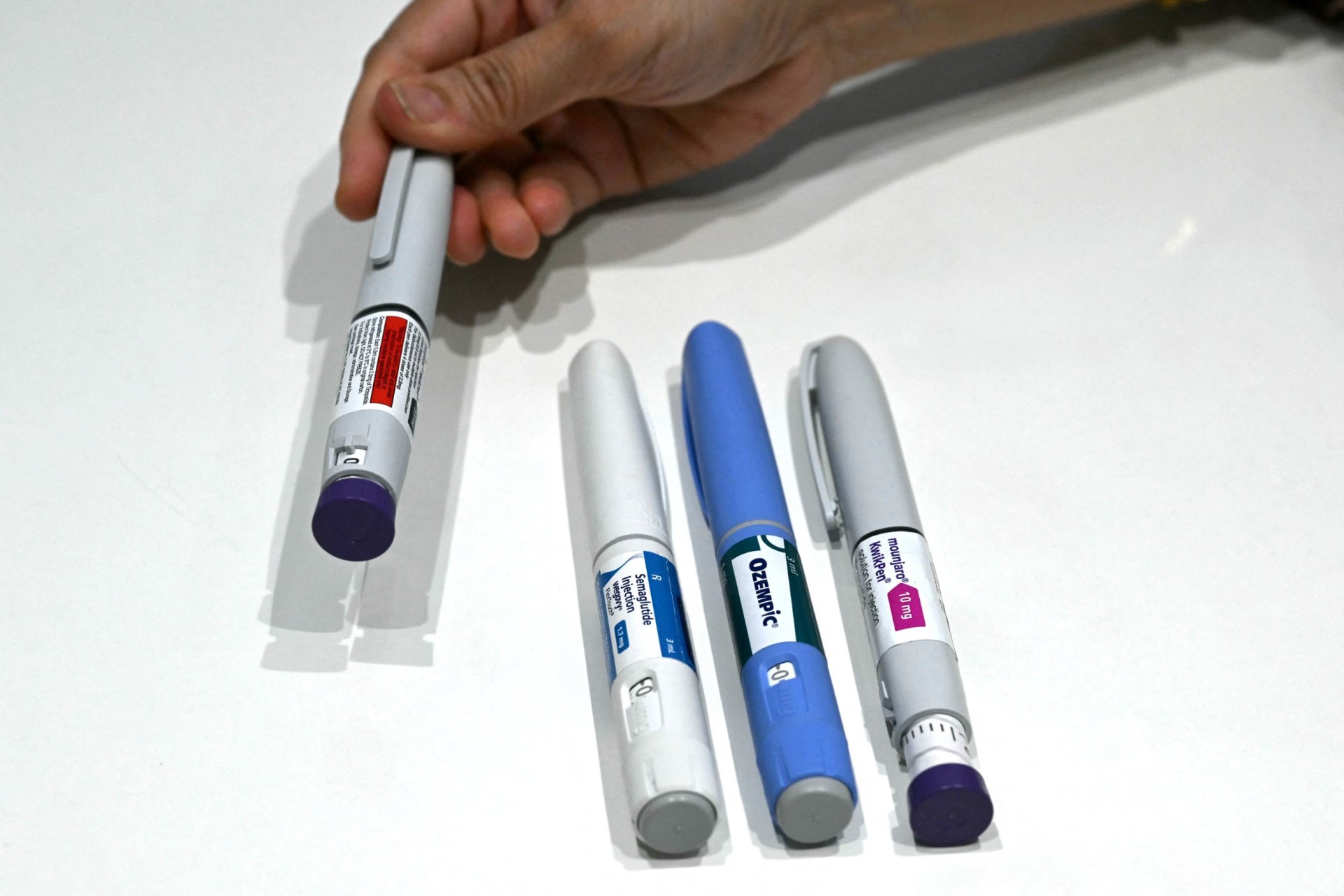
As the UK experiences an intense heatwave, with record-breaking temperatures reaching 34°C in London and the South East, it’s crucial for everyone to take extra precautions to stay safe. While the general public is being advised to protect themselves from the heat, there are specific groups that need even more attention, particularly those using weight loss medications such as Ozempic and Mounjaro.

The Risks of Weight Loss Medications in Hot Weather
Dr Suzanne Wylie, a GP and medical advisor for IQdoctor, has highlighted the potential health concerns associated with GLP-1 receptor agonists like semaglutide. These medications, commonly used for weight loss, can increase the risk of dehydration due to their side effects, including nausea, vomiting, and diarrhoea. These symptoms can lead to significant fluid loss, making individuals more vulnerable during hot weather.
Additionally, these medications slow gastric emptying, which may cause people to eat and drink less overall. When combined with the increased fluid loss from sweating in high temperatures, this can further complicate hydration levels.
Dehydration and Gallstones: An Uncommon but Serious Risk
Dehydration not only poses immediate risks but can also contribute to long-term health issues. One such concern is the formation of gallstones, which are small stones that develop in the gallbladder. Although uncommon, gallstones have been reported as a side effect of some weight loss medications.
Dr Wylie explains that dehydration can increase the risk of gallstones by reducing bile flow and causing bile to become more concentrated in the gallbladder. This makes it essential for individuals on weight loss medications to be vigilant about their hydration levels.
Recognizing the Symptoms of Dehydration
Dehydration occurs when the body loses more fluids than it takes in. If left untreated, it can lead to serious health complications. Common symptoms include:
- Feeling thirsty
- Headache and feeling light-headed
- Dark yellow, strong-smelling urine
- Urinating less frequently than usual
- Feeling dizzy
- Feeling tired
- A dry mouth, lips, and tongue
- Sunken eyes
Severe dehydration can also cause confusion, muscle cramps, feeling faint, or weakness. It’s important to recognize these signs early to prevent more serious health issues.
Preventing Dehydration: Key Steps to Take
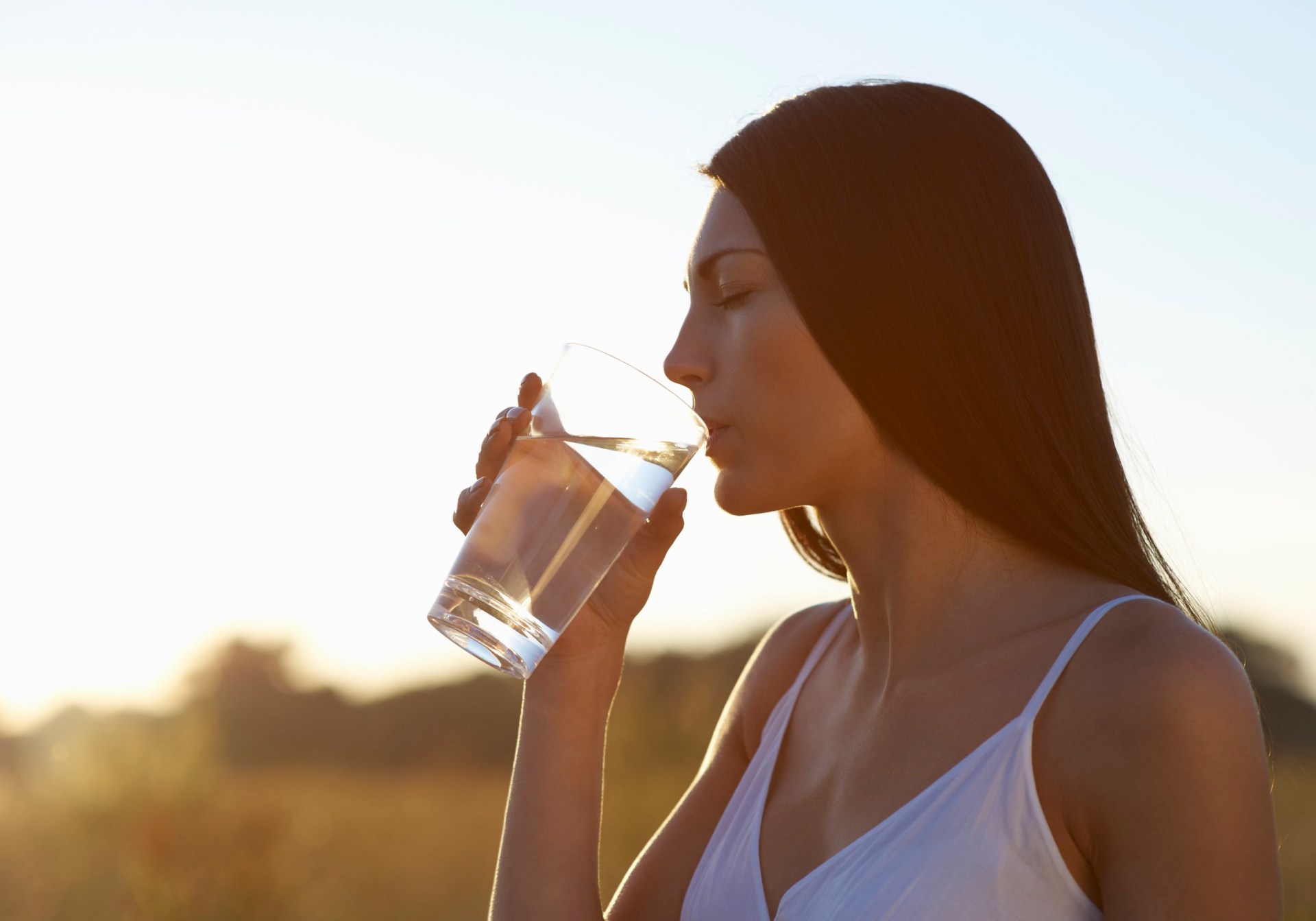
One of the biggest mistakes people make is relying solely on thirst as a cue to drink water. However, by the time you feel thirsty, your body may already be dehydrated. Instead, it’s recommended to drink water regularly throughout the day, even if you don’t feel particularly thirsty.
The amount of water needed varies from person to person, but Dr Wylie suggests adults aim for around six to eight glasses of water per day, which is approximately 1.5 to 2 litres of fluid. During hot weather, illness, or increased activity, higher amounts may be necessary.
Other strategies to prevent dehydration include:
- Keeping a water bottle with you at all times
- Setting reminders to drink water
- Eating water-rich foods such as watermelon, cucumbers, and oranges
- Flavouring water with sugar-free squash if plain water is difficult to consume
It’s also advisable to limit sugary drinks, caffeine, and alcohol, as they can contribute to dehydration.
The Surprising Benefits of Milk in a Heatwave
While water is often the go-to choice for hydration, a doctor has suggested that milk could be a more effective option during a heatwave. Dr Natasha Dernando, a medical director at Medichecks, claims that milk can actually be “more hydrating” than water.
Milk contains sugar, protein, and fat, which help slow the rate at which fluid leaves the stomach, allowing for longer-lasting hydration. Additionally, milk contains sodium, which helps the body retain water for longer. Plant-based alternatives like soya milk also offer similar benefits, as they contain electrolytes that aid rehydration.
Final Tips for Staying Hydrated
In addition to drinking water and milk, it’s important to monitor your fluid intake and adjust based on your activity level and the weather. Pharmacists can also provide guidance on oral rehydration solutions if needed.
By taking these steps, individuals can better protect themselves from the risks of dehydration, especially when using weight loss medications during a heatwave.