Extended Quarantine for Six Individuals Exposed to Hantavirus in Perth
Six individuals who were exposed to hantavirus during a cruise ship outbreak have been placed under an extended quarantine in Perth. Originally scheduled to be released on June 3, they will now remain in isolation until June 23.
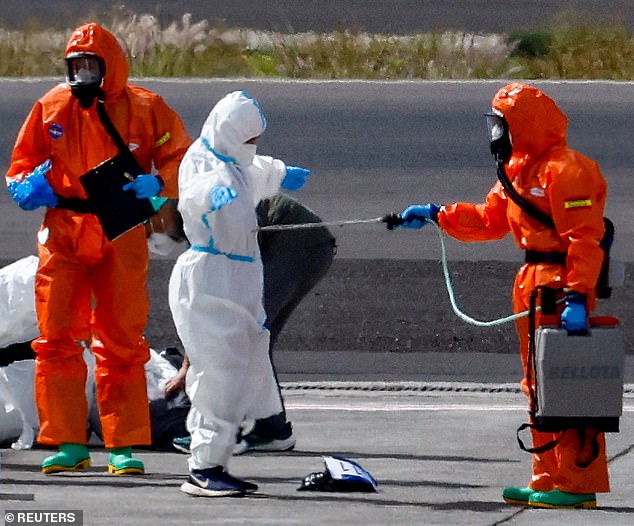
The group consists of four Australian citizens, one permanent resident, and a New Zealander. They were nearing the end of their quarantine at the Bullsbrook Centre for National Resilience, a facility built at a cost of $400 million during the final stages of the COVID-19 pandemic. The centre, located next to the Pearce RAAF Base in Perth’s outer northern suburbs, has seen minimal use since its construction.
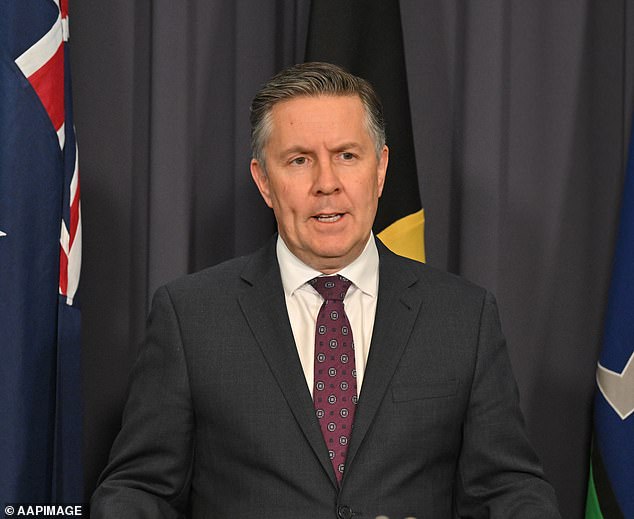
The six individuals arrived at the Pearce base on May 15 via a government charter flight from Europe. Their initial quarantine period was set to end on June 3. However, Health Minister Mark Butler confirmed that the quarantine would be extended due to ongoing concerns about the risk of developing the virus.
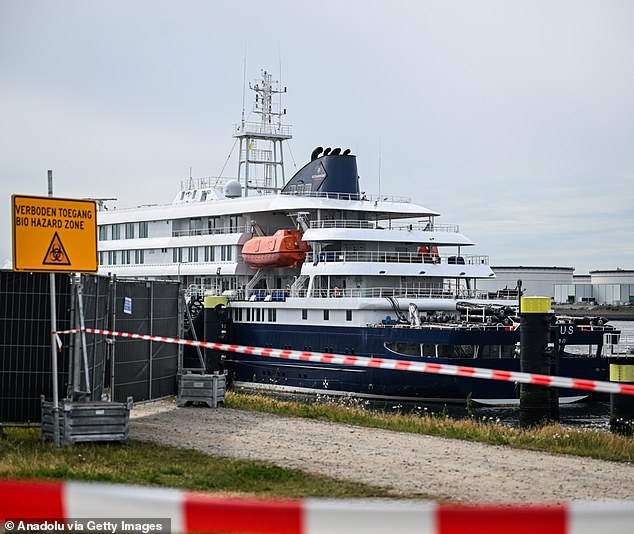
This decision follows confirmation by the World Health Organisation (WHO) that two additional people from the cruise ship MV Hondius had tested positive for hantavirus. These include a crew member and a passenger from Spain and the Netherlands, respectively. This brings the total number of cases linked to the ship to 13, with three fatalities reported.
Reasons for the Extension
Butler stated that the extension is necessary to cover the full 42-day incubation period of the virus. “Over the last few days, there have been two additional reports of hantavirus infections connected with this cruise ship,” he said. “It would be appropriate for that quarantine arrangement to remain in place for the rest of the 42-day incubation period to June 23.”
The group of six was informed about the extension and remains in good health. They were recently retested within the last 24 to 36 hours, and all results were negative. However, Butler emphasized that the risk of testing positive during the incubation period still exists, based on advice from public health officials and the WHO.
The extended quarantine means the group will spend a total of 39 days in isolation at the Perth facility.
Understanding Hantavirus
Hantaviruses are a group of diseases typically spread by rodents. The virus usually spreads when people inhale contaminated residue from rodent droppings, and it is not easily transmitted between humans. However, the strain identified on the MV Hondius has shown rare instances of person-to-person transmission.
Symptoms of hantavirus infection typically appear between one and eight weeks after exposure. In Australia, no human cases of hantavirus have ever been recorded.

Key Points About the Situation
- The six individuals are currently in quarantine at the Bullsbrook Centre for National Resilience in Perth.
- The facility was built at a cost of $400 million during the height of the COVID-19 pandemic but has been used sparingly.
- The group was originally due to be released on June 3 but will now stay until June 23.
- Two additional cases of hantavirus have been confirmed on the MV Hondius, increasing the total to 13.
- Three of those infected have died from the disease.
- The extension of quarantine is based on the 42-day incubation period of the virus.
- All six individuals have tested negative in recent tests and are in good health.
- Hantavirus is primarily spread through contact with rodent droppings, though some strains can transmit between people.