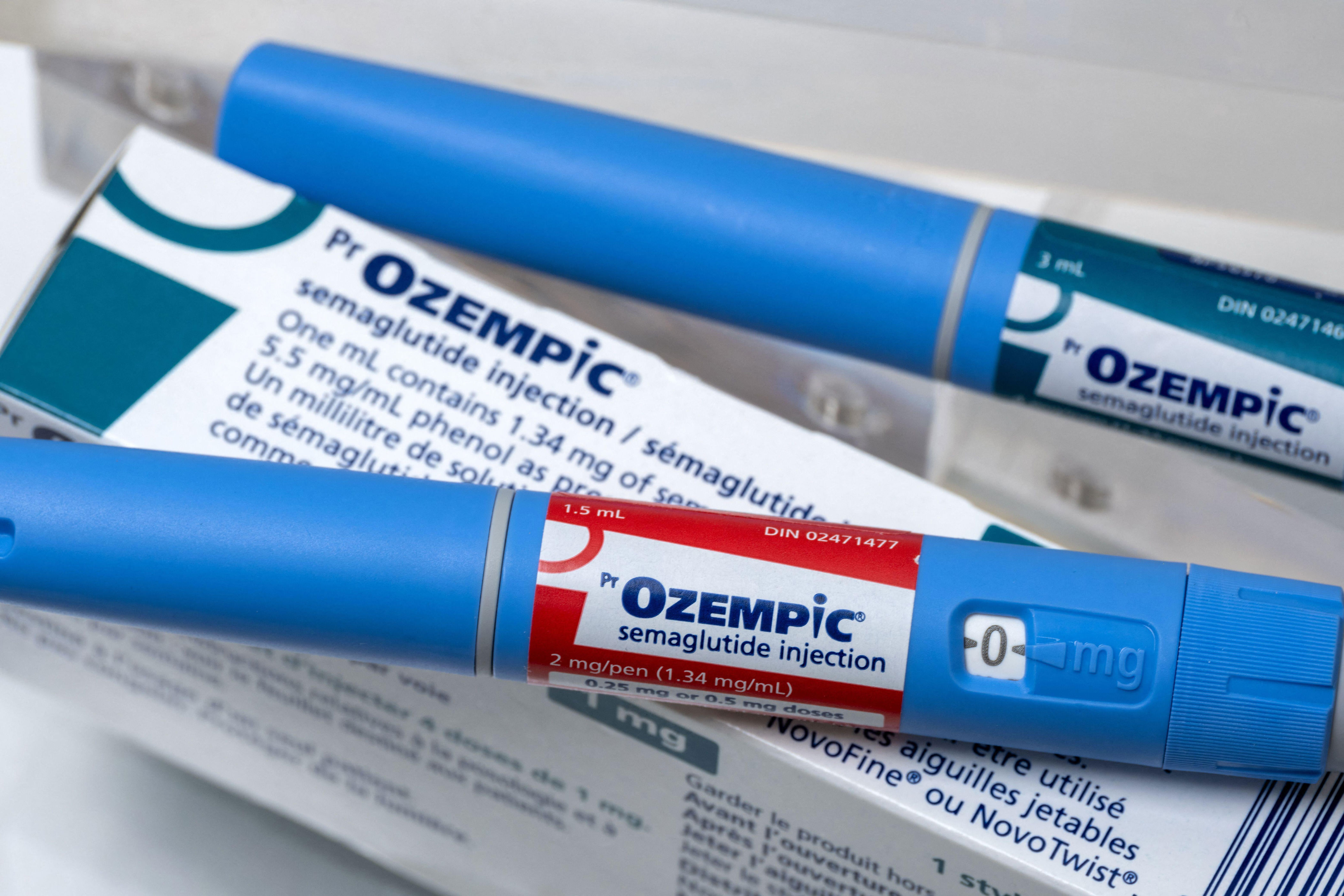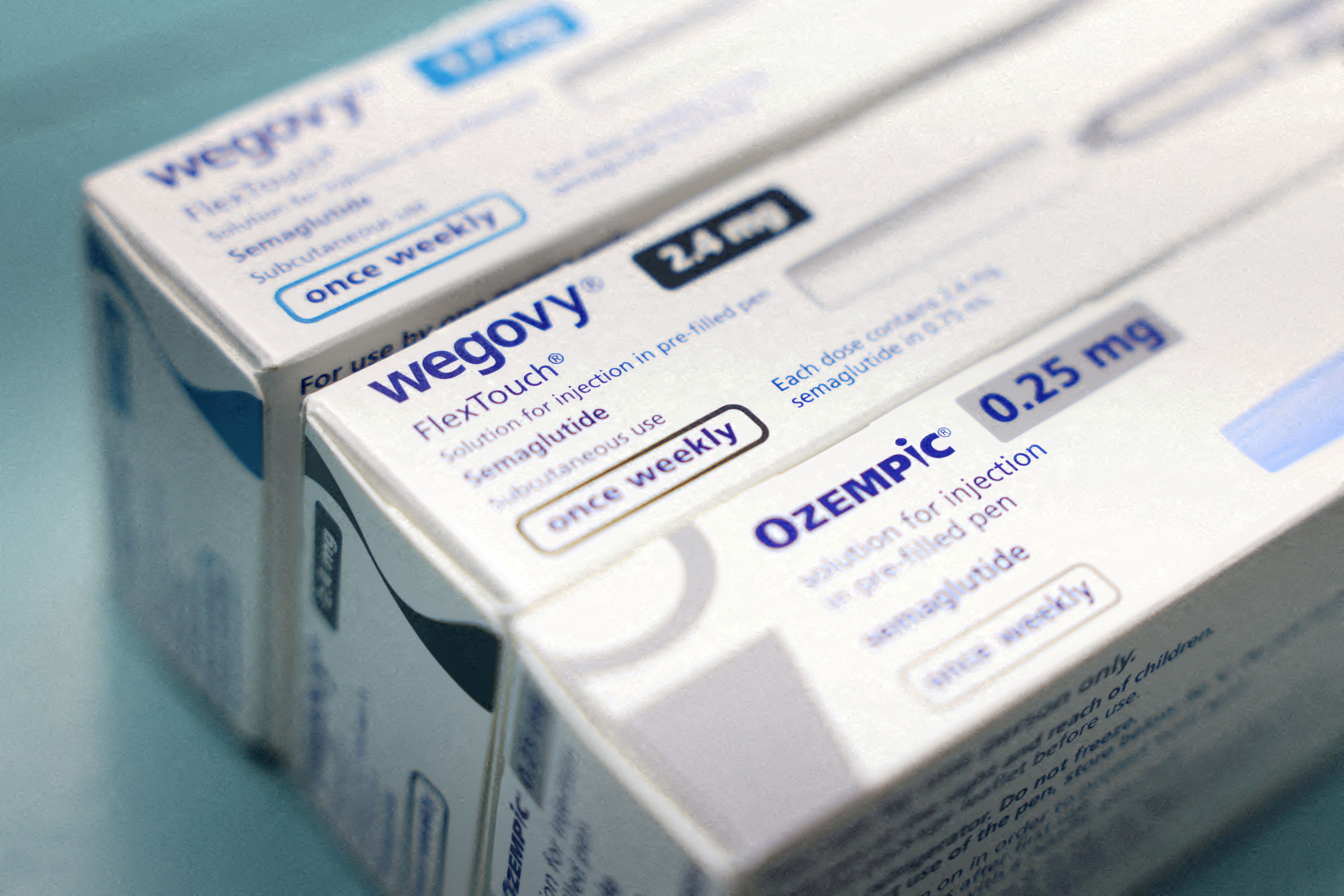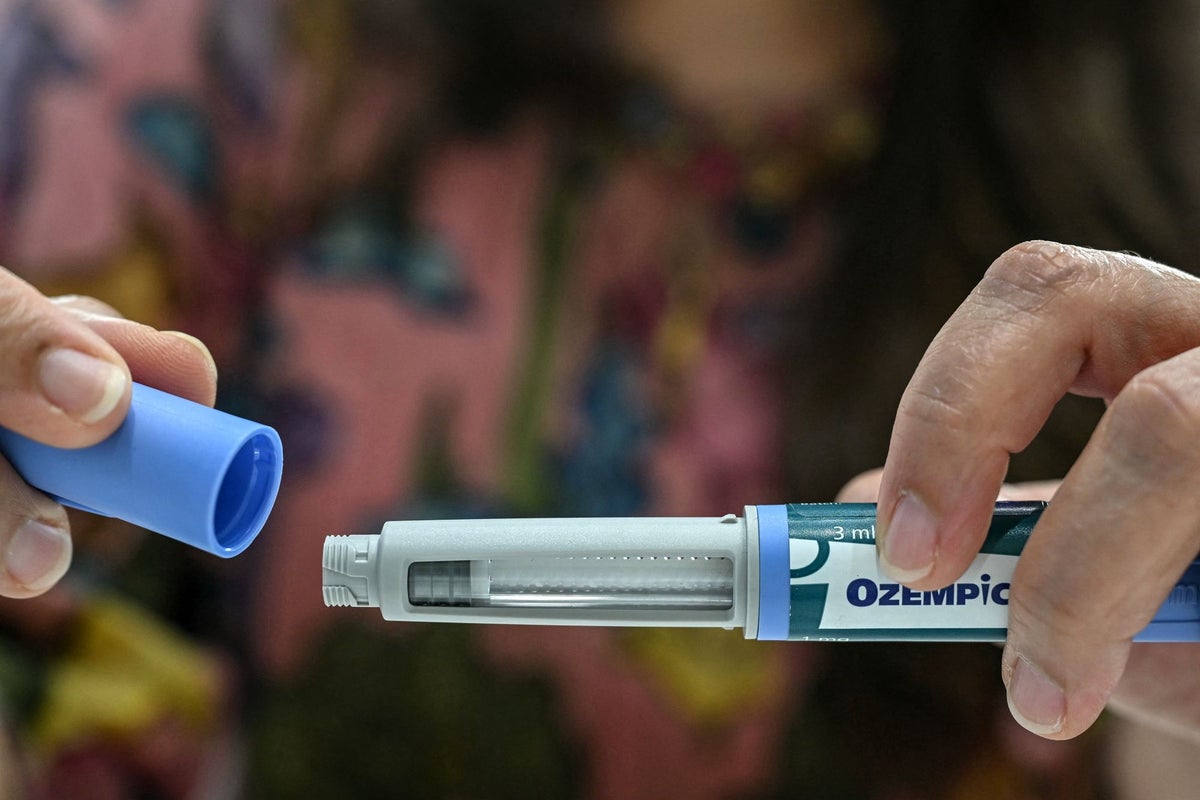
Scientists are investigating the potential of GLP-1 drugs, such as Ozempic, to not only revolutionize metabolism but also to alter certain patients’ brains. Originally developed for treating diabetes and obesity, these drugs have sparked interest beyond their primary use. Researchers at the University of Colorado Anschutz have discovered that GLP-1s may enhance brain connectivity in some patients, suggesting a broader impact on brain function than previously thought.
Despite the promising findings, scientists emphasize that there are still many uncertainties surrounding GLP-1 drugs, and current research remains limited. However, some patients have reported positive effects beyond reduced hunger or food cravings. These include a decreased likelihood of drinking alcohol or engaging in compulsive behaviors. Early studies are exploring the possibility of using GLP-1s as a treatment for addiction, while some cases have shown improved attention spans.
Previous research on GLP-1 drugs and the brain has indicated that they might slow the loss of volume in areas responsible for planning, memory, emotion, and sensory integration. Scientists are also examining whether GLP-1s could be beneficial in delaying or preventing diseases like Alzheimer’s. However, the effectiveness of these drugs in treating Parkinson’s has been questioned, with recent clinical trials showing no overall impact.
A large late-phase clinical trial for Alzheimer’s patients did not demonstrate that the medication significantly slowed cognitive and functional decline. Despite this, many researchers continue to explore whether GLP-1 drugs can directly affect the brain, potentially reshaping the nervous system by reducing inflammation, improving metabolism, and easing stress.
The findings from the University of Colorado Anschutz were shared with the Post after researchers studied young women taking GLP-1 medications to treat a common hormonal condition, PCOS, now known as polyendocrine metabolic ovarian syndrome or PMOS. Within a few months of using GLP-1s, patients showed increased brain connections in the salience network, which helps direct attention, according to lead researcher Allison Shapiro.
“We didn’t expect to see this effect, and we really don’t know what it means,” Shapiro said. During the trial, brain scans revealed possible dysfunction in the hypothalamus, a region involved in regulating hunger, stress, sleep, and hormones, and which contains a high concentration of GLP-1. The scans also showed increased connectivity between different parts of the brain.
While many users have reported positive changes, some have experienced brain fog, and others say they feel less pleasure and motivation. The scientists caution that this research is still in its early stages, and the long-term implications of these changes remain unclear. They also question how these drugs might affect children’s developing brains.
“We can’t assume what adults do and how they respond is going to be how adolescents respond,” Shapiro said. She hopes to continue studying how the drugs may impact children and whether any neural changes they experience are lasting.
“The real test is how the brain effects are sustained when you take adolescents off the drug,” she added.
Grace Hamilton, a study participant who has been on GLP-1s since her early 20s, noted several impactful changes to her brain since starting the medication. While she had been on multiple antidepressants during her teenage years, she no longer needs them. She has also stopped being a social drinker and no longer has a desire to drink, according to her account.
“I would probably stand to bet it’s not a coincidence,” she said.