A Legacy in Film: The Life and Work of Marcia Lucas
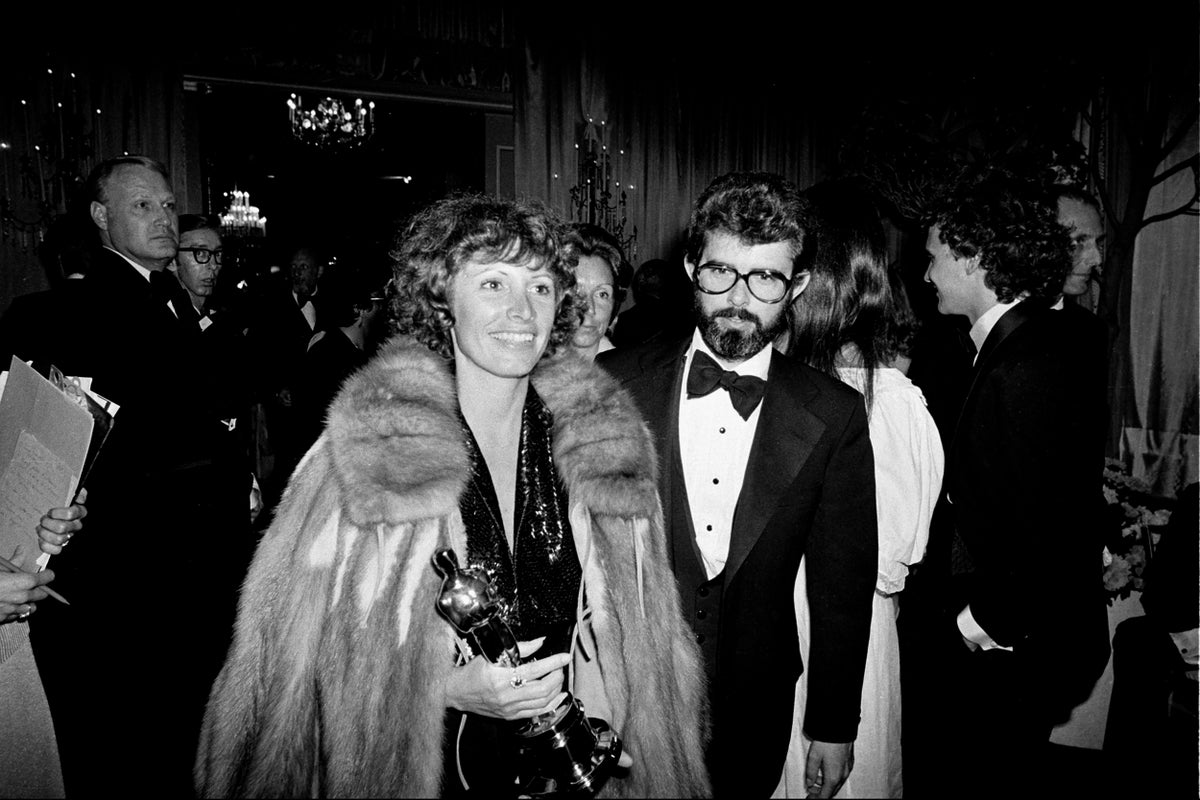
Marcia Lucas, a pioneering film editor best known for her work on the original 1977 “Star Wars,” has passed away at the age of 80. Her death was confirmed by her family’s lawyer, Deidre Von Rock, who shared the news with The Associated Press. She died on Wednesday in Rancho Mirage, California, surrounded by loved ones. The cause of death was metastatic cancer.
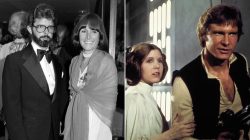
Lucas was married to George Lucas, the creator of the “Star Wars” franchise, from 1969 to 1983. During their time together, she played a crucial role in shaping some of the most iconic films in cinematic history. Her contributions extended beyond “Star Wars,” as she worked on several other notable projects throughout her career.
Key Contributions to Cinematic History
Marcia Lucas served as the editor for “Return of the Jedi,” the final film in the original “Star Wars” trilogy. She also contributed to the editing of two earlier films directed by George Lucas: “THX 1138” and “American Graffiti.” In addition to these, she was part of the editing team for Martin Scorsese’s acclaimed 1970s films, including “Taxi Driver,” “Alice Doesn’t Live Here Anymore,” and “New York, New York.”
Her work on “Star Wars” (also known as “A New Hope”) was particularly significant. Often referred to as the “unsung hero” of the film, Lucas played a vital role in transforming raw footage into a cohesive and compelling narrative. Her efforts were especially critical during the climactic scenes, such as the rebel attack on the Death Star.
Shaping the Story of “Star Wars”
One of her most notable contributions was convincing George Lucas to include Obi-Wan Kenobi, portrayed by Alec Guinness, in the final battle with Darth Vader. This decision not only added emotional depth to the story but also provided a spiritual guide for Mark Hamill’s character, Luke Skywalker.
George Lucas himself acknowledged the complexity of the editing process in an interview with Rolling Stone shortly after the film’s release. He described the challenge of interweaving an actual plot with intense action sequences, such as the dogfight scenes. “It was extremely complex and we had 40,000 feet of dialogue footage of pilots saying this and that. And she had to cull through all that, and put in all the fighting as well,” he said.
Personal Life and Family
After her divorce from George Lucas in 1983, Marcia Lucas married Tom Rodrigues, a production manager at the Skywalker Ranch production center. Their marriage lasted until 1993. She is survived by her daughters, Amanda Lucas and Amy Soper, as well as her grandchildren: Felix Hallikainen, Aeliana Hallikainen, and Knox Soper.
The family released a statement honoring her legacy. “Her influence on film is indelible, but those who knew her best will remember the way she made life feel more vivid, more beautiful, more fun, and more full of love,” the statement read. “Her work was known for its emotional intelligence, rhythm, and humanity — a rare ability to find the truth of a scene and bring heart, momentum, and clarity to the screen.”
A Lasting Impact
Marcia Lucas left behind a legacy that continues to inspire filmmakers and audiences alike. Her work on “Star Wars” helped shape one of the most successful film franchises in history, and her contributions to other films showcased her exceptional talent and vision.
As the world reflects on her life and career, it is clear that Marcia Lucas was not just a skilled editor, but a visionary who brought creativity, emotion, and structure to the art of filmmaking. Her impact on cinema and the people who knew her will be remembered for generations to come.