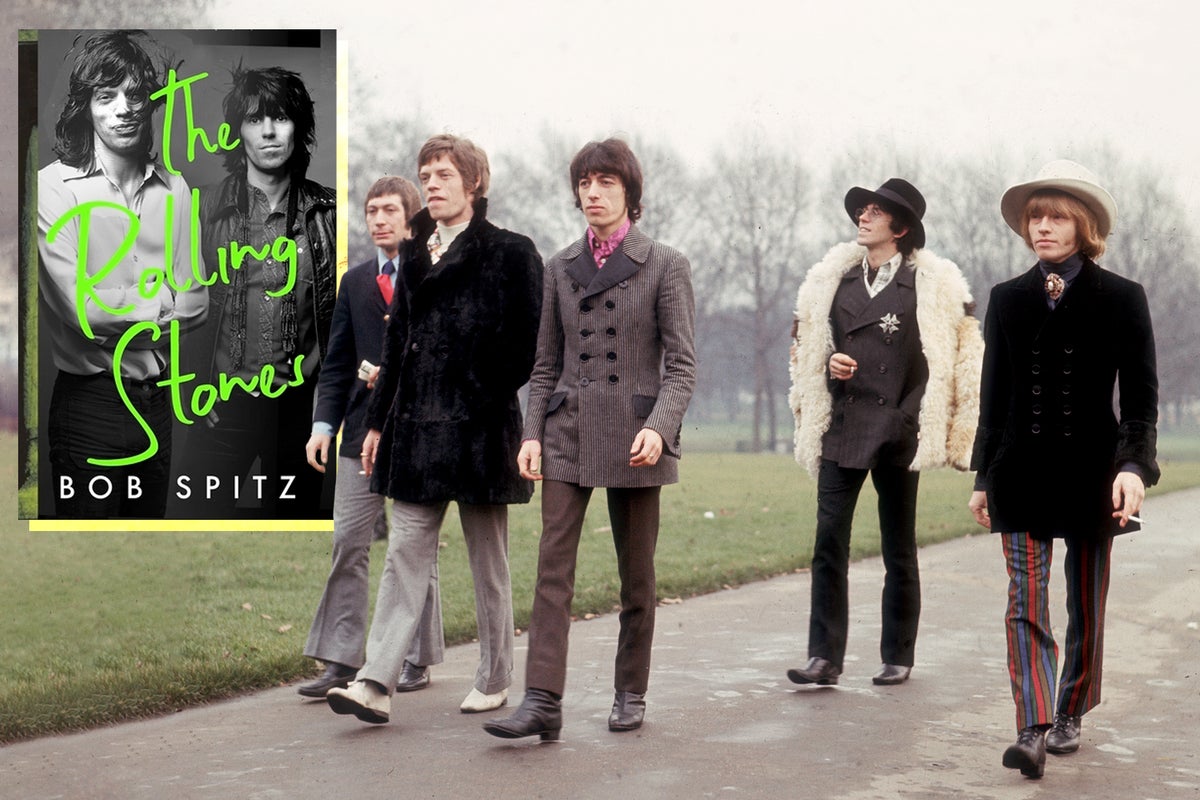
The Rolling Stones: A History of Rebellion and Rock
The Rolling Stones, one of the most iconic rock bands in history, are set to release their latest album, Foreign Tongues. Alongside this new musical offering, a compelling biography by author Bob Spitz delves into the band’s turbulent and fascinating journey. This book offers an in-depth look at the band’s evolution, filled with raw stories and insights that paint a vivid picture of their rise to fame.
The Birth of a Legend
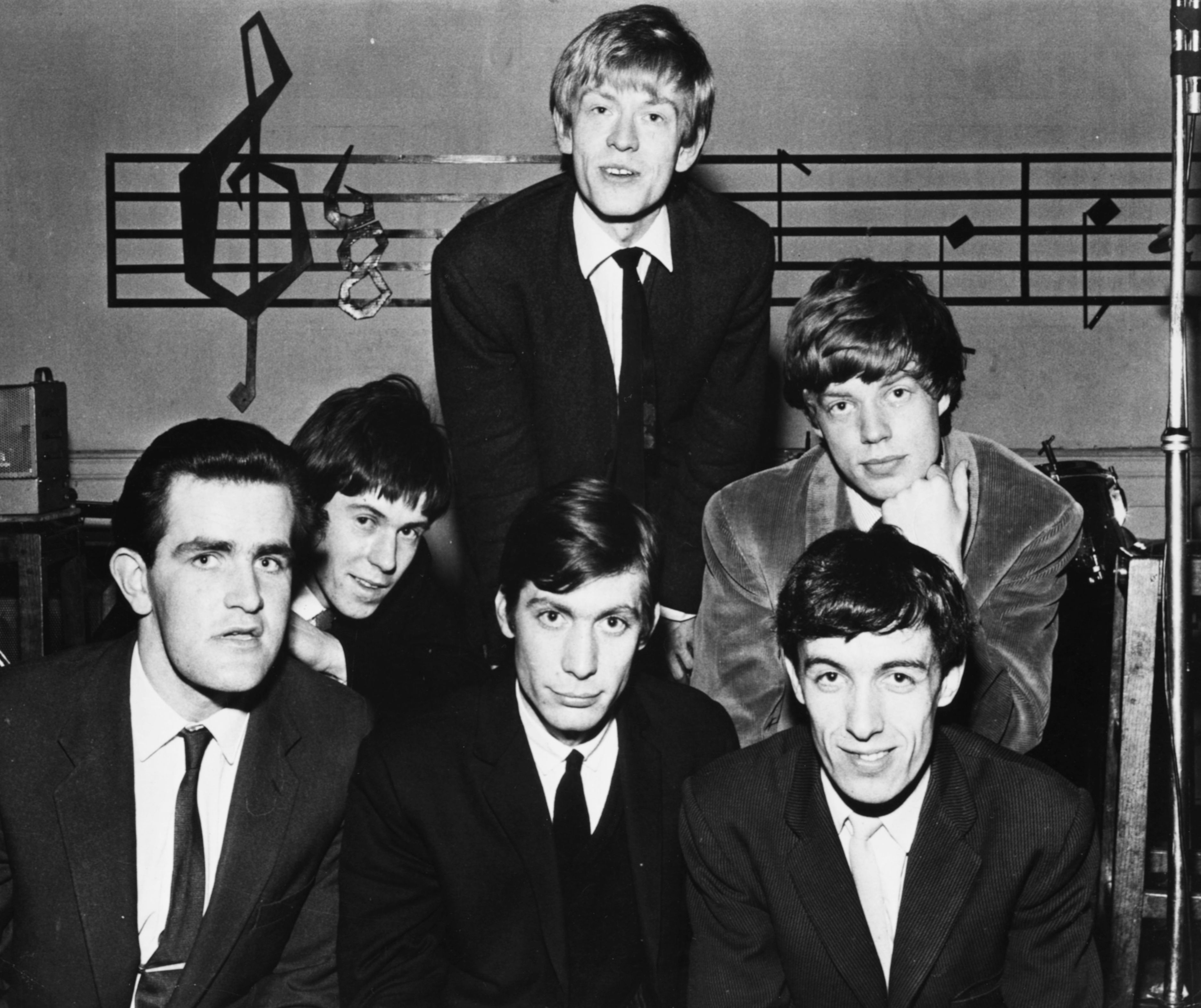
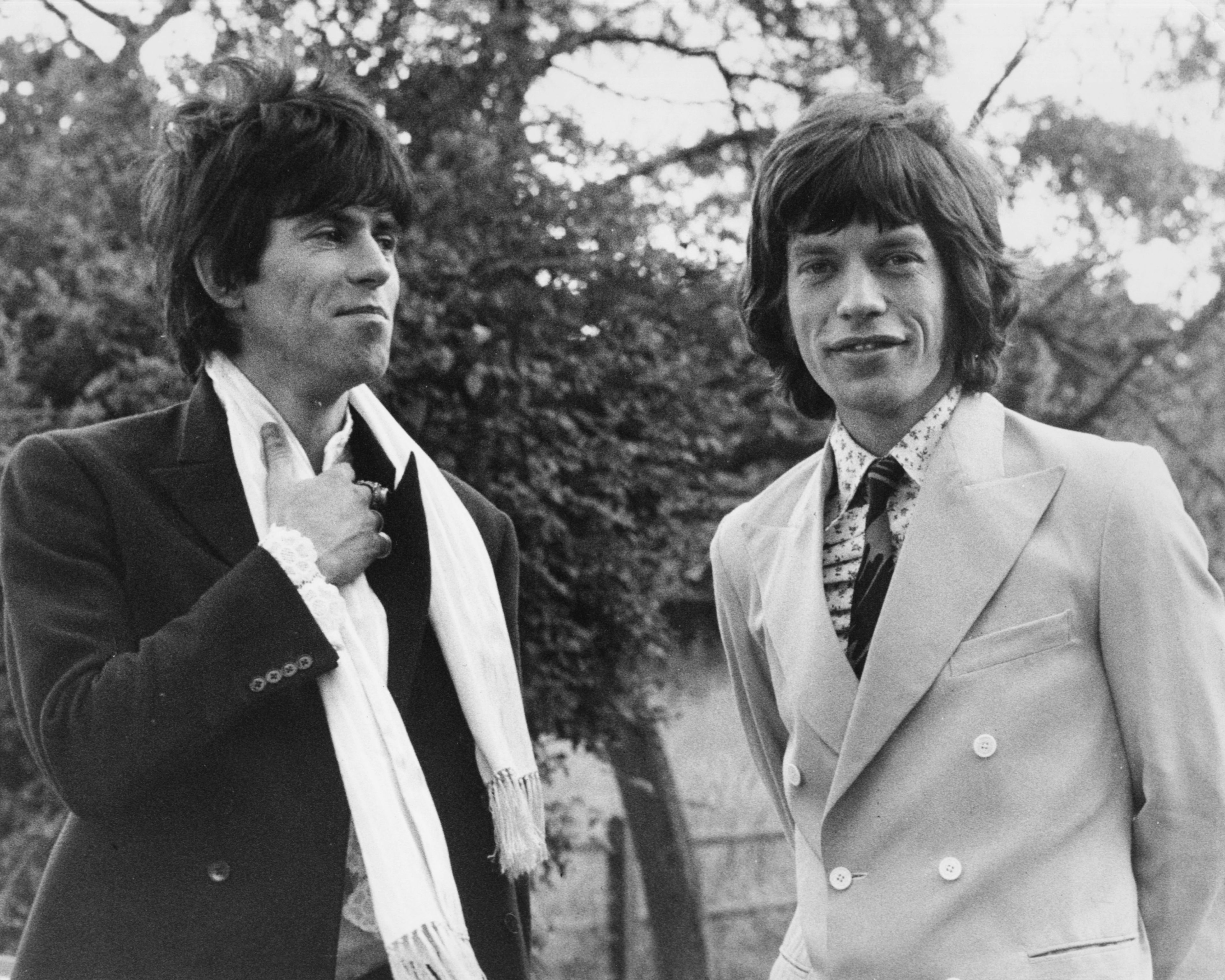
The story begins in June 1962 when Mick Jagger, Keith Richards, Brian Jones, and Dick Taylor placed an ad in Jazz News to find paid gigs. While sitting on the carpet in Jones’s “grubby” flat, they were asked for a band name. Instead of debating, Jones noticed a Muddy Waters Chess album and picked it up, stopping at the song “Rollin’ Stone Blues.”
“We’re the Rollin’ Stones,” he declared.
This moment marked the beginning of a legacy that has spanned over six decades, with no one objecting to the name yet.
Brian Jones: The Rebel with a Cause
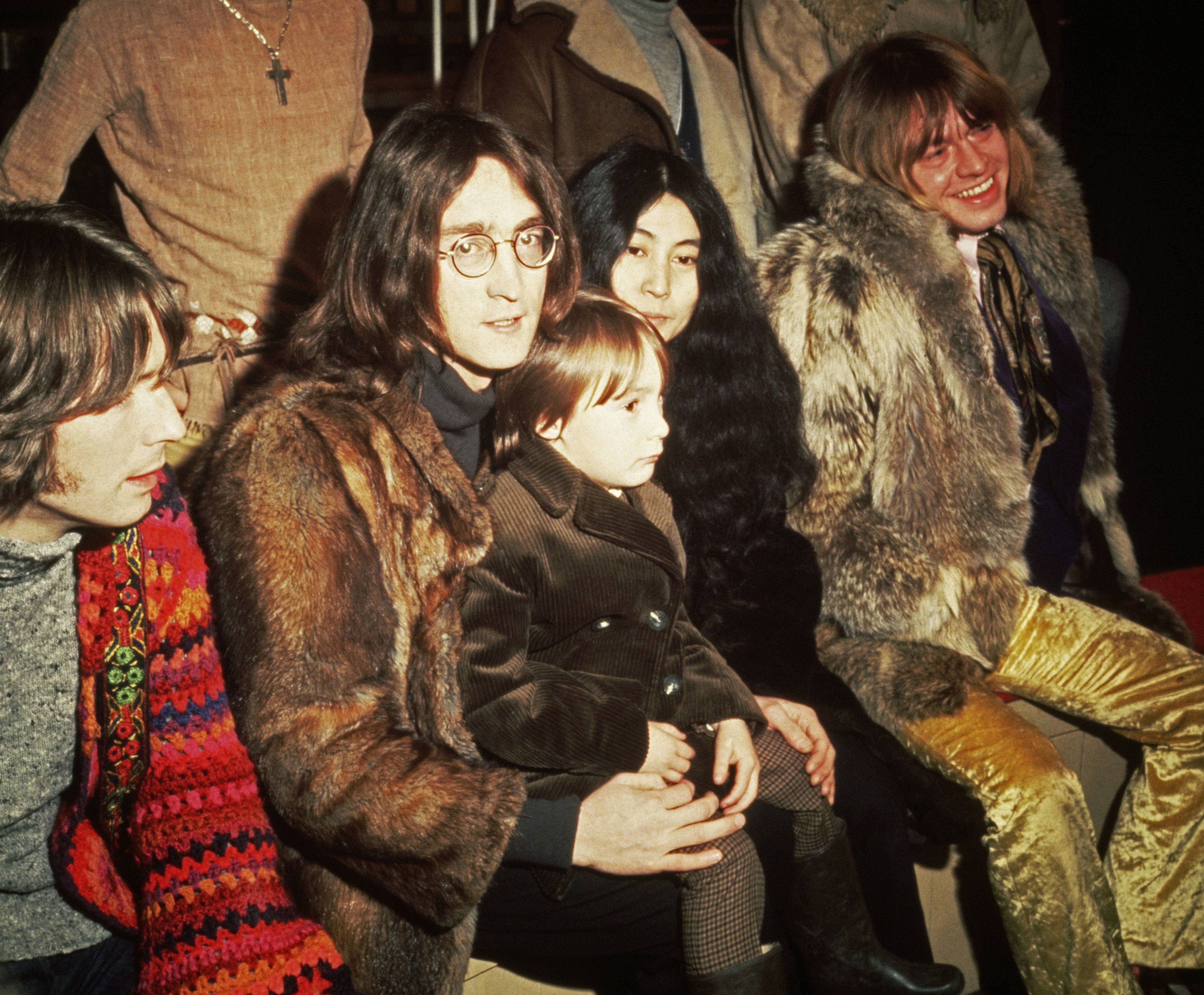
Brian Jones, one of the founding members, was described as a “handful right out of the crib.” Born in 1942, he was an overachiever who mastered various skills, including chess and music. However, his rebellious nature often led him into trouble. His parents struggled to manage his behavior, and his early relationships reflected a sense of isolation.
Jones’s father, Lewis, worked as an aeronautical engineer, while his mother, Louise, taught piano. Despite his talents, Jones faced challenges in social situations and had a tendency to be disruptive. He eventually became a key figure in the band but grew jealous of the relationship between Richards and Jagger. His struggles with drugs and alcohol led to his dismissal in 1969, and he died at the age of 27 from drowning.
The Creation of ‘Satisfaction’
One of the most iconic moments in rock history came when Keith Richards crafted the riff for “Satisfaction.” After returning to the US, Richards checked into a hotel and fell asleep with a guitar and cassette recorder nearby. Upon waking, he found that he had recorded a melody that would become a classic.
He played it to Jagger, and the rest is history. The riff, which Richards later described as “undeniable,” would go on to define a generation of rock music.
Meeting the Beatles
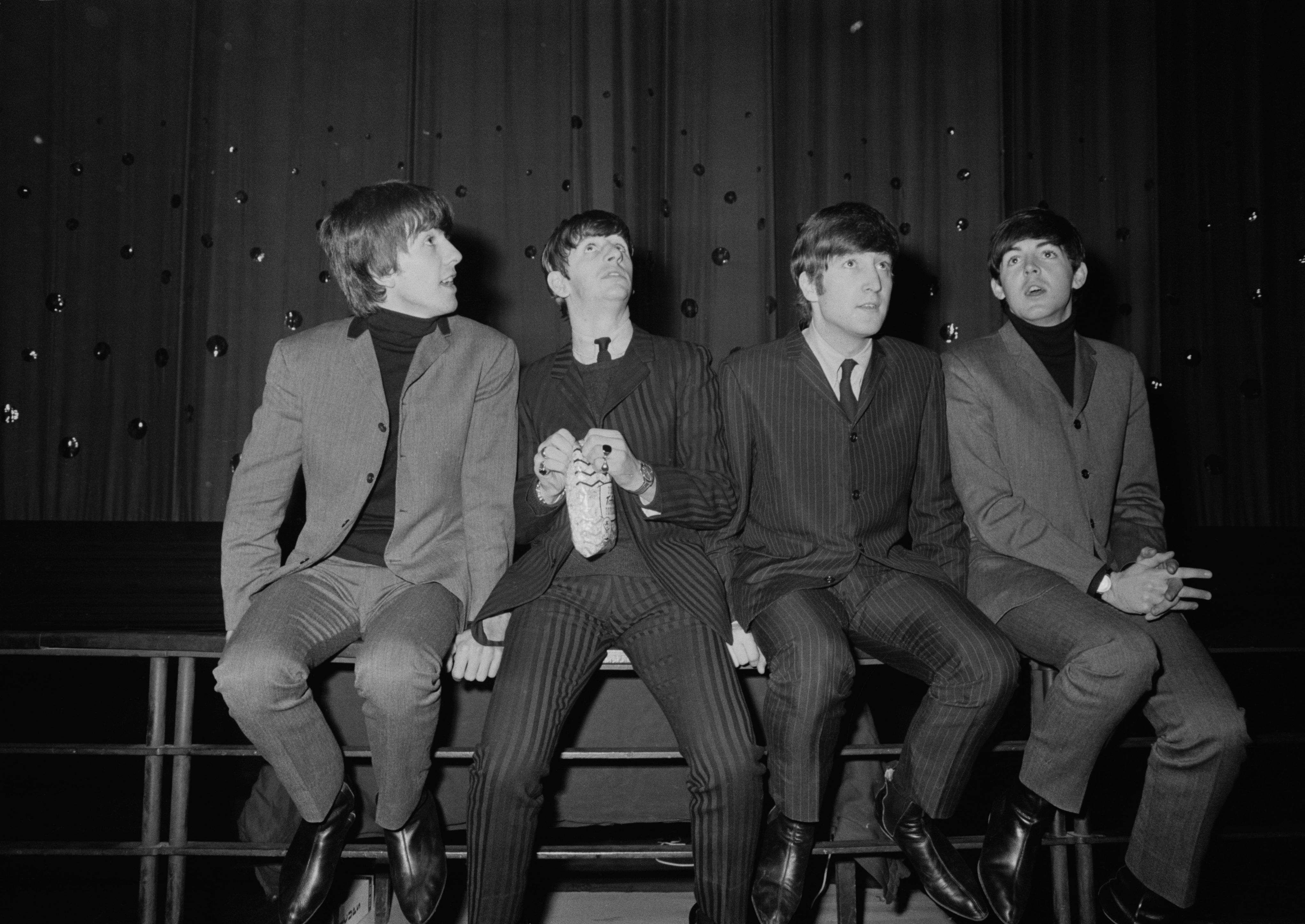
The Rolling Stones’ first encounter with The Beatles was a pivotal moment. As the Stones gained traction with their live performances, they attracted attention from fans and fellow musicians alike. During a gig at Ken Colyer’s club, a regular named Eric Clapton noticed a group of four men wearing black leather gear and the same haircut—The Beatles.
The crowd parted as the Beatles made their way to the stage, and the Stones continued playing without missing a beat. Mick Jagger, however, felt embarrassed and avoided looking at them. George Harrison was impressed by the Stones’ performance, while Ringo Starr was mesmerized by the chemistry between Jones and Richards.
Breaking America
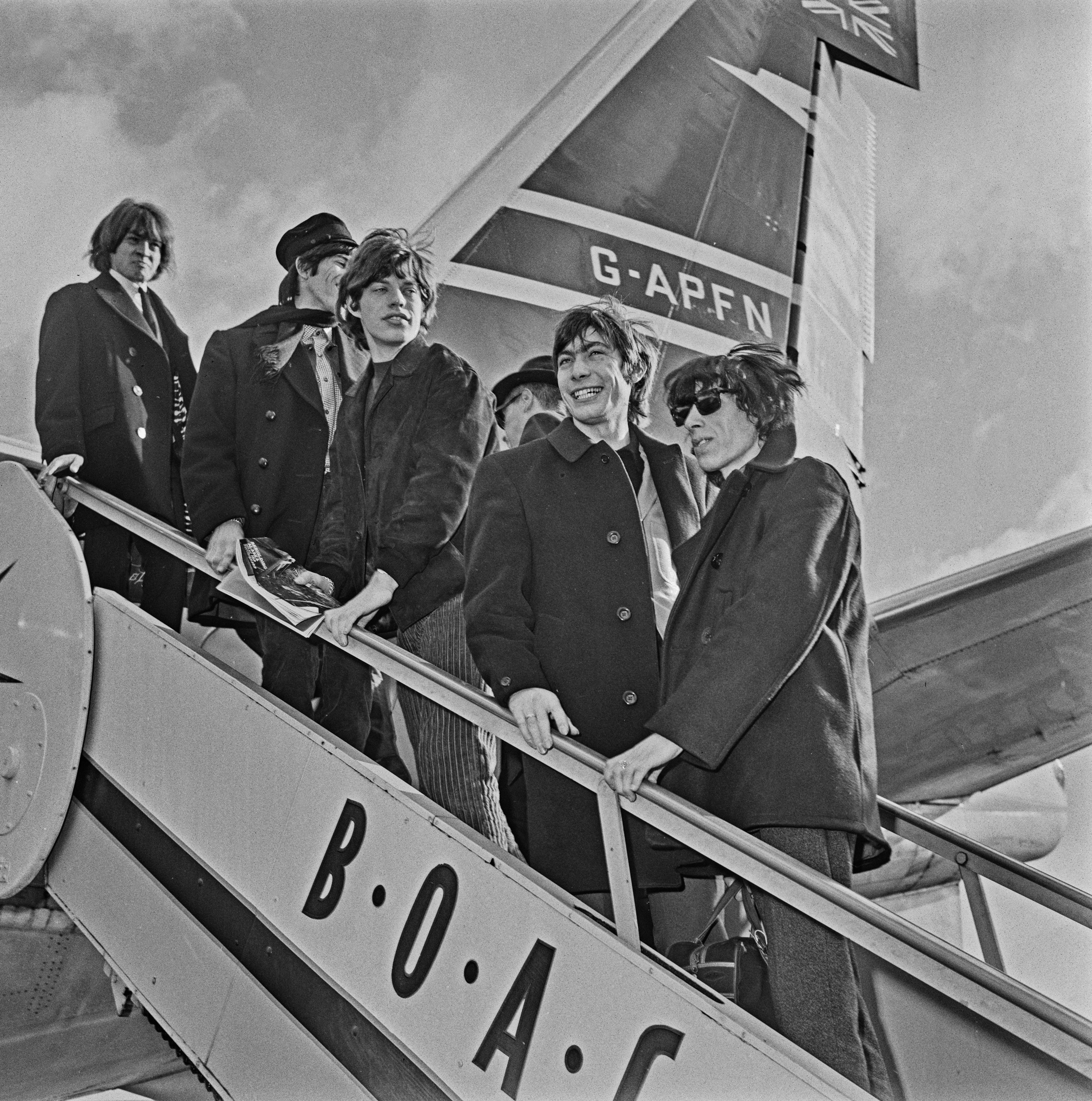
In 1964, the Stones made their mark in the US, claiming their own version of “Beatlemania.” They landed in New York two months before their debut album was released, and the reception was electric. Unlike The Beatles, the Stones did not engage with the media or chat shows, focusing instead on their live performances.
Despite some dismissive hosts, the Stones made a lasting impact through their energetic shows. At the Swing Arena in San Bernardino, the crowd went wild when Jagger mentioned their town during a performance of “Route 66.” The energy was so intense that several girls had to be sedated by medical staff.
Conclusion
Bob Spitz’s book, The Rolling Stones, captures the essence of a band that has defied conventions and shaped the landscape of rock music. From their humble beginnings to their global success, the story of the Rolling Stones is one of rebellion, creativity, and resilience. With this new biography, fans can gain a deeper understanding of the band’s legacy and the enduring influence they have had on music and culture.