Building Connections Through Shared Experiences
Every Thursday night, the Hawthorn Amateur Football Club’s men’s and women’s teams come together for a special dinner after training. This tradition, which has become a cornerstone of the club’s culture, involves a rotating menu of homemade meals like fish and chips, burgers, and spaghetti. But what truly sets this gathering apart is the “Triple H” – a unique bonding exercise that encourages players to share something personal.
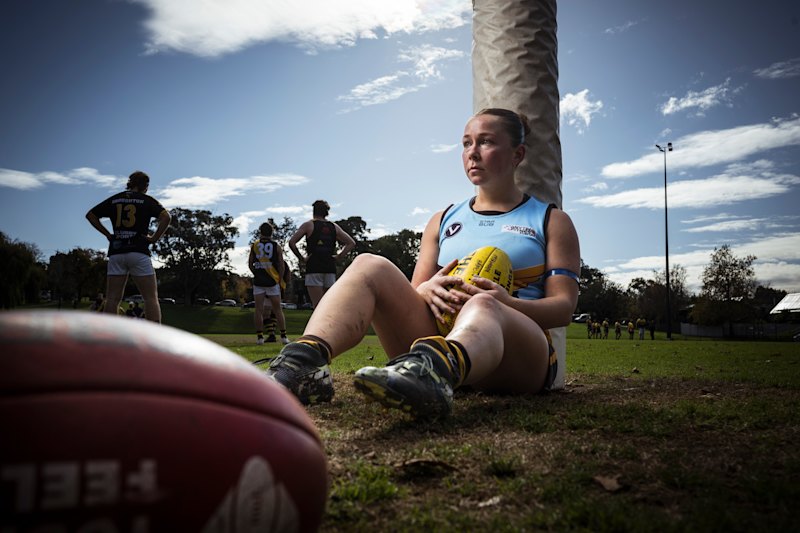
The Triple H, pioneered by Damien Hardwick during his time at Richmond, asks each player to reveal a hardship they’re currently facing, a highlight from the week, and a hero or figure they admire. As Hawks women’s football player Charotte Miller explains, it doesn’t have to be deeply personal or private, just honest.
“I think sharing things about yourself is really good, especially with people you’re seeing three times a week. You know them pretty well, but you may not know something hard going on in their life,” she said. “It’s a really special thing that we do that has definitely helped us bring together the men’s and women’s sides, which has been quite nice.”
A Commitment to Mental Health Support
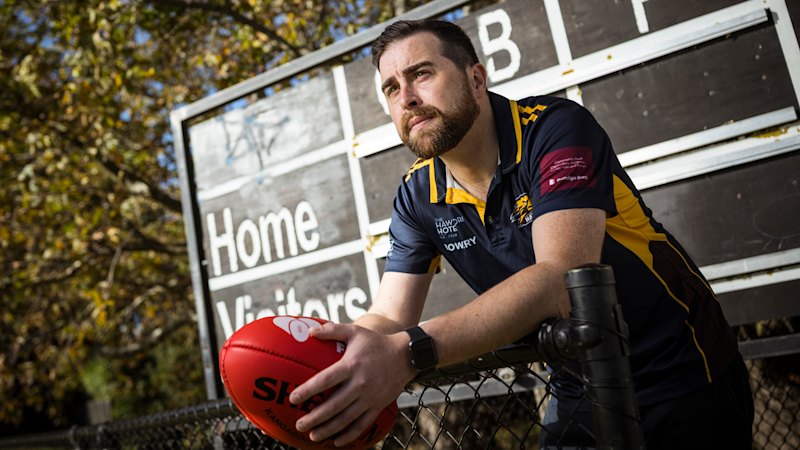
On Saturday, the Hawthorn football community came together for their annual luncheon, an event aimed at raising funds for the Wings program – a mental health support and education initiative. This year, the program partnered with Graham Psychology to offer a mental healthcare fund that allows players, coaches, and supporters to access psychology, psychiatric, or counselling services at a significantly reduced cost.
The Wings program was established nearly 16 years ago, following a tragic series of events in 2010 when two former men’s players and another player’s father died by suicide. These losses left the close-knit community devastated. President Sam Waldron, who joined the club in 2012, said the club felt compelled to create the Wings program to prevent further tragedies and encourage conversations around depression.
Since its inception, the Wings program has evolved to include Wings ambassadors – club members and players trained and certified in mental health first aid. At the end of the season, the Wings trophy is awarded to the person who best looks after their mates, both on and off the field. The trophy is named in honour of the men who passed away – Jacob Pitcher, Peter Lynch, and David Holland.
Fostering Awareness and Open Conversations
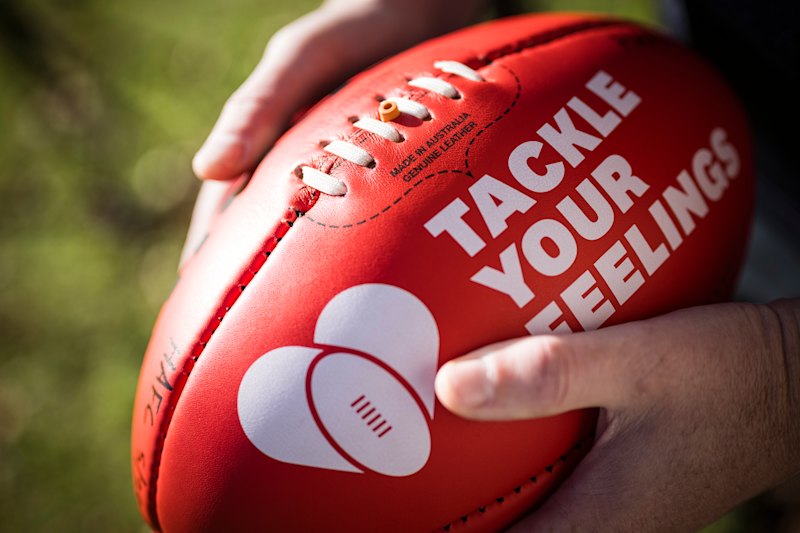
During the luncheon, community members gathered for a communal meal and listened to a panel of mental health clinicians, including Bree Van Ryswyk, a psychologist with the Tackle Your Feelings program and St Kilda’s AFLW team. Van Ryswyk highlighted the importance of noticing changes in someone’s behaviour, especially in a sporting environment where people spend a lot of time together.
“It’s really about trying to notice shifts in that person and when you’re in a community like a [footy] club, we’re spending so much time together, it’s two nights a week, plus [a] game, plus social events,” she said. “So, we’re in a really unique position to recognise those changes in someone.”
Waldron emphasized that there are always greater opportunities for footy clubs to improve their approach to supporting players’ wellbeing and advocating for mental health support. In October 2024, Waldron’s former teammate and a previous player at Hawthorn, Danny Priest, died by suicide. This loss deeply impacted him and made him realize there would always be more work to do in the mental health space in football.
“It’s not a box-ticking thing where you do a lunch or have a program, and then you move on,” he said. “Mental health is something that needs to be continually on your agenda.”
Promoting Proactive Mental Health Initiatives
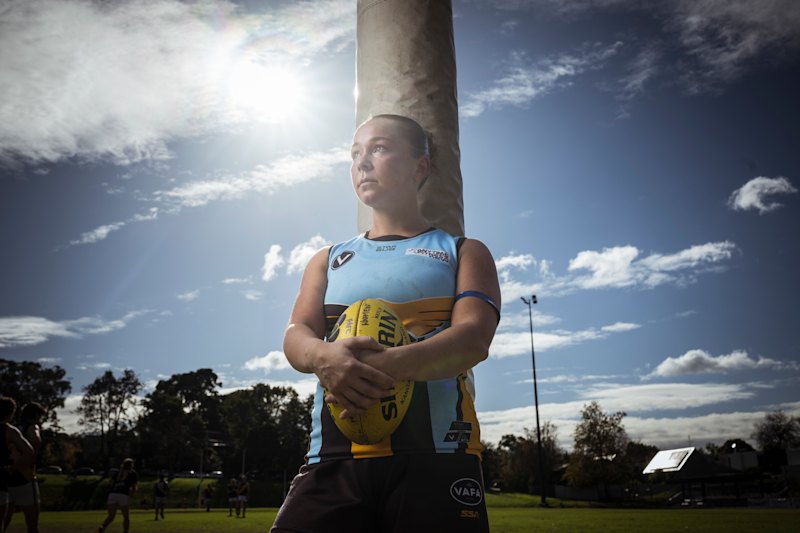
Miller, who also serves as a Wings program coordinator, believes it is crucial for local football clubs to be proactive and tackle the stigma around mental health. After AFL player Elijah Hollands experienced a mental health episode during a prime-time game against Collingwood in April, mental health in sport has dominated media headlines.
In an ideal world, Miller would love all amateur football clubs to adopt something similar to the Wings program to ensure mental health care is affordable and accessible for people in grassroots sports. Waldron, whose mother is a psychologist, noticed a shift in the way men speak about mental health.
“I’ve probably found people are a bit more willing … getting to your 40s as a man, kids and work pressures come up, and I think my friendship group, we’re more comfortable to talk about that, but I’d like to think some of the stuff that we’ve been doing at the footy club has helped facilitate those conversations with my mates,” he said.
“Young men arrive at our footy club, and they might arrive and be a bit stoic and closed,” he continued. “But after a couple of months, they get a feel for the place and feel comfortable to open up a bit more. That’s really important to see.”
Support Resources
If you or someone you know is struggling, help is available. Reach out to:
- Beyond Blue on 1300 22 4636
- Lifeline on 13 11 44
- MensLine Australia on 1300 78 99 78
Stay updated with the latest AFL coverage in the country by signing up for the Real Footy newsletter.