A Personal Battle with Parkinson’s
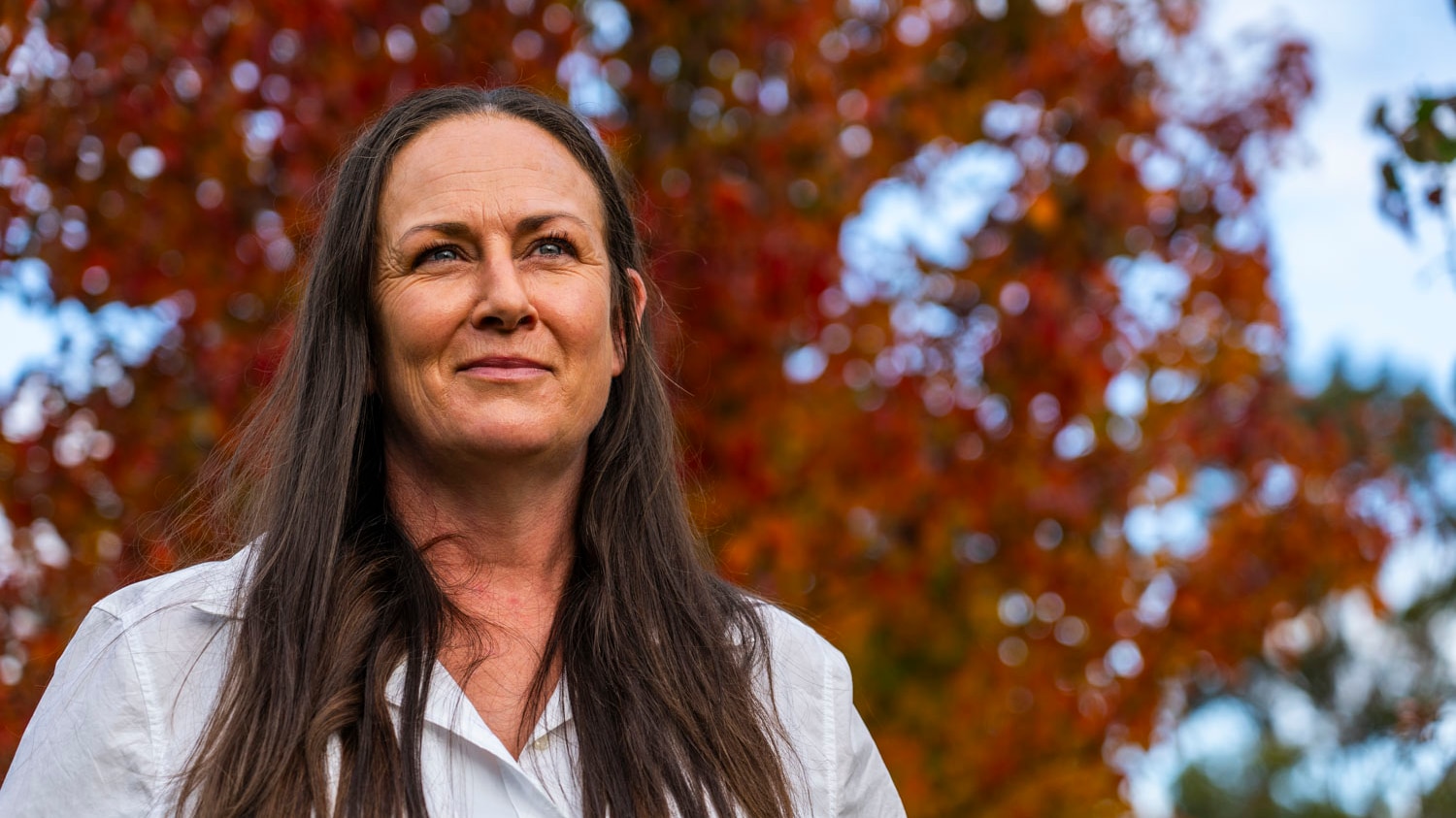
Parkinson’s disease has often been associated with older individuals, but for many, including Hayley Milne from northern Tasmania, this is far from the case. Diagnosed with early-onset Parkinson’s at just 41 years old, Ms. Milne’s experience highlights the unexpected challenges faced by younger patients.
“I was working, had three children who were seven, nine and 11,” Ms. Milne shared. “It was like it’d been ripped off — most people get it in their 60s, 70s, 80s and then I get it in my 40s, where you’re still having to do everything, it’s the busiest time of your life.”
Her symptoms began in her mid-30s and have progressively worsened over the past decade. She now experiences tremors in her head and hands, difficulty with balance, and memory issues. The condition, which affects up to 150,000 Australians, has significantly altered her life.
“I always enjoyed working but I stopped doing that 10 years ago,” she said. “I don’t drive anymore, I don’t write anymore, burning myself, dropping stuff, spilling stuff. For quite a few years I was very isolated at home because the anxiety and depression was horrific that I didn’t like leaving my safe place.”
Ms. Milne described the emotional struggle of coming to terms with her diagnosis. “It took a lot to get over that grieving time, to go, you know, life’s changing, however, there’s nothing we can do to change it [back], so we’ve just got to keep going.”
Rising Cases in Tasmania
Parkinson’s disease is the fastest-growing neurological condition globally, and Tasmania has some of the highest rates in Australia. Peter Longman, a Launceston local, downplayed his symptoms for nearly a decade before finally confronting his diagnosis three years ago.
Mr. Longman’s life has been completely transformed by the disease. “It’s turned it [my life] completely upside down from the simplest thing that I used to do,” he said. Once an active individual who would jog regardless of the weather, he now finds even basic tasks challenging.
Daphne Longman, his wife, described the heartbreak of watching her husband lose the ability to enjoy activities he once loved. “He was a very athletic man up until three, four years ago, he did the Cradle to Coast 75-kilometre bike ride, he bushwalked, he kayaked — he can’t do any of that now.”
The disease also affects Mr. Longman mentally. “He’ll be trying to speak to somebody, and he loses the sentence in the middle,” Daphne said. “For a man who is very intelligent and very witty and very clever, that’s very frustrating for him.”
A Global Study in Tasmania
Despite predictions that Parkinson’s cases will double in the next 20 years, much remains unknown about its causes, impact, and treatments. An international study aims to expand genetic research into the disease, and Tasmania has been selected as a key contributor.
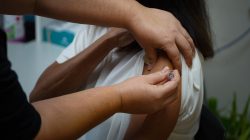
The University of Tasmania (UTAS) has received funding from the Shake It Up Foundation and the Global Parkinson’s Genetic Program to collect blood samples from Tasmanians living with and without Parkinson’s. UTAS researcher Samantha Bramich is leading the initiative and encourages all Tasmanians to participate.
“We’re really lucky to have been invited to contribute to this worldwide project, which is hopefully going to provide some important breakthroughs in our understanding of the genetics of Parkinson’s,” Dr. Bramich said. “We need better treatments and potentially disease-modifying treatments to prevent and cure it, but, in order to do that, we need to know more about the genetics behind Parkinson’s.”
Fellow researcher Michele Callisaya, who was diagnosed with Parkinson’s just over four years ago, sees the study as a personal opportunity. “Hearing those words, ‘You have Parkinson’s’, was very devastating and still a bit unbelievable,” she said. Like Ms. Milne, Dr. Callisaya received her diagnosis in her 40s.
“The diagnosis really brought me into trying to do more research to improve care,” Dr. Callisaya added. She has already participated in the global study and hopes others will follow suit.
A Hope for the Future
Daphne Longman hopes the study will provide answers for her husband and others affected by Parkinson’s. “It’s stealing his life,” she said. “To see Peter, who to me wasn’t an old man, and who was so fit and active, to be becoming debilitated by this disease was frustrating and my nurse mind wanted to find out the causes.”
While she acknowledges that her husband may not benefit directly, she believes the study could help future generations. “We’re willing to participate in anything that helps,” she said. “It’s the only way things get a solution.”