A New Hope for Clear Vision
A groundbreaking daily eye drop, priced at just $3, could offer a solution for millions of middle-aged adults who struggle with clear near vision. This innovative treatment, known as VIZZ, has recently been approved in the United States and is the first specifically designed to address presbyopia – an age-related condition that affects nearly everyone over 45.
Unlike traditional methods, VIZZ does not alter the shape of the eye’s lens. Instead, it works by gently shrinking the pupil to create what doctors refer to as a ‘pinhole effect’. This is similar to how squinting can help bring blurred text into focus. By reducing the amount of stray light entering the eye, the drops allow only the most focused light rays to reach the retina, thereby increasing depth of focus and making close-up objects appear sharper.
Clinical Trials Show Promising Results
Clinical trials have demonstrated remarkable results. Approximately 71% of users reported a noticeable improvement in their near vision within 30 minutes of using the drops. For many, the effects lasted up to 10 hours, covering most of the day. This means a single daily dose could allow users to read, text, and work without constantly reaching for glasses.
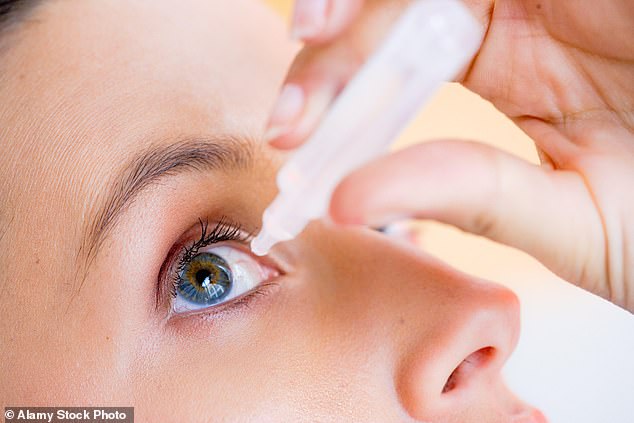
Presbyopia occurs due to the gradual stiffening of the eye’s lens, which begins in a person’s 40s. Over time, the lens loses its flexibility and can no longer easily switch focus from distant objects to things up close. For years, the primary solutions have been reading glasses, bifocals, or contact lenses, often leading people to juggle multiple pairs or repeatedly put glasses on and off throughout the day.
A Simpler Alternative
VIZZ provides a simpler alternative. Its active ingredient, aceclidine, has been used in ophthalmology for years but has now been refined into a form that specifically targets the iris – the colored part of the eye – rather than the lens itself. Crucially, this means the drops improve near vision without compromising distance sight, which is a common drawback with some other treatments.
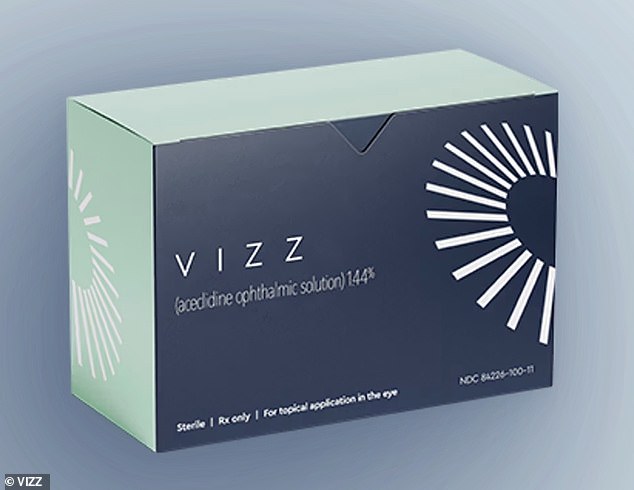
The approval of VIZZ was based on data from multiple late-stage trials involving hundreds of participants. In one study, 466 people used the drops daily over six weeks, with further research assessing longer-term safety. No serious side effects were reported. The most common reactions included mild eye irritation, temporary redness, and slightly dimmed vision shortly after application. These effects were typically short-lived and resolved on their own.
Real-Life Impact
Some users have already reported dramatic improvements. One individual said they were able to read their phone without glasses for the first time in five years within 20 minutes of using the drops. Doctors believe this treatment could mark a significant shift in how presbyopia is managed.
‘This will be a welcome solution,’ one clinical investigator involved in the trials said, adding that it could quickly become a widely used option for both optometrists and ophthalmologists.
However, experts caution that the drops may not completely eliminate the need for reading glasses in every situation – particularly in low light or when reading very fine print.
Even so, with more than 100 million adults affected by presbyopia in the US alone, the potential impact is huge. As populations continue to age, simple, non-invasive treatments like VIZZ are expected to become increasingly important.
For millions tired of hunting for their glasses, the idea of restoring clear near vision with a single drop a day could be a game-changer.