Kmart Unveils AI Shopping Assistant ‘Joy’ to Transform Online Retail Experience
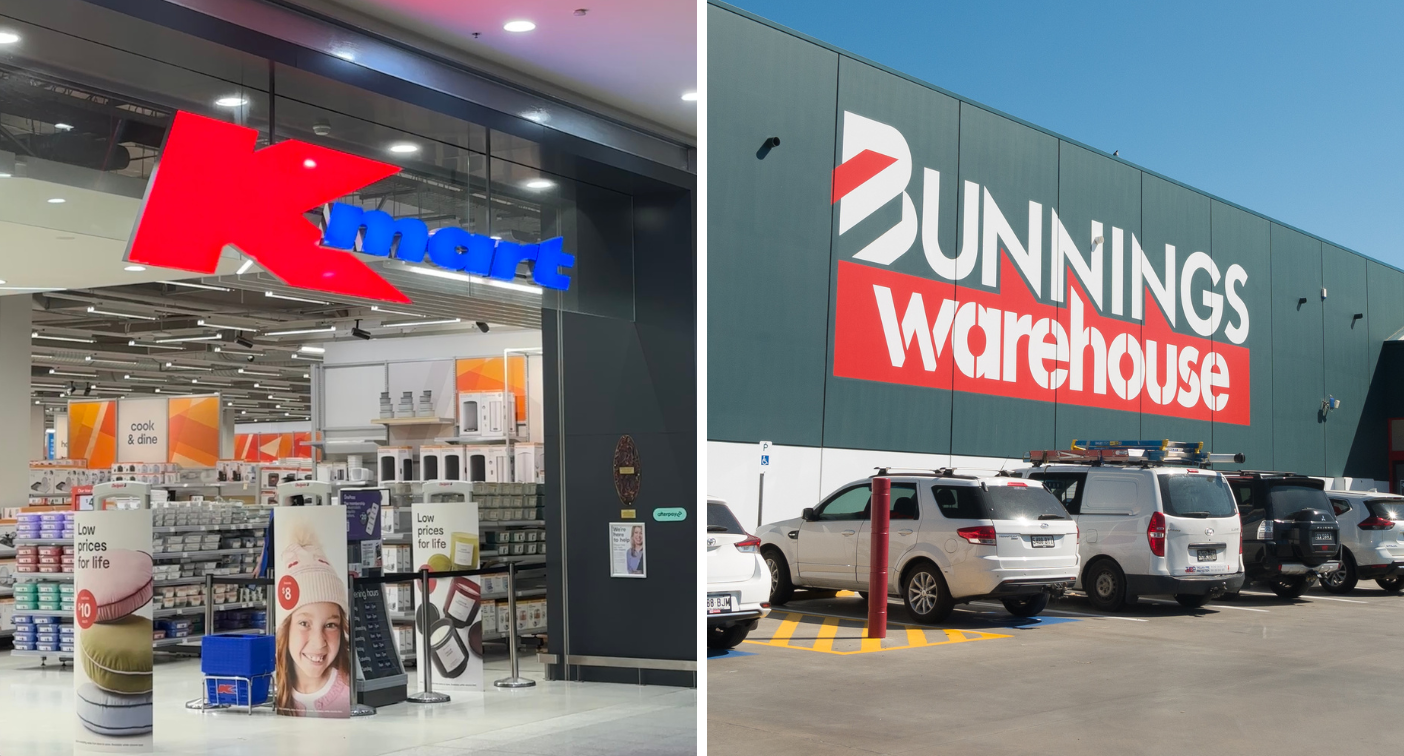
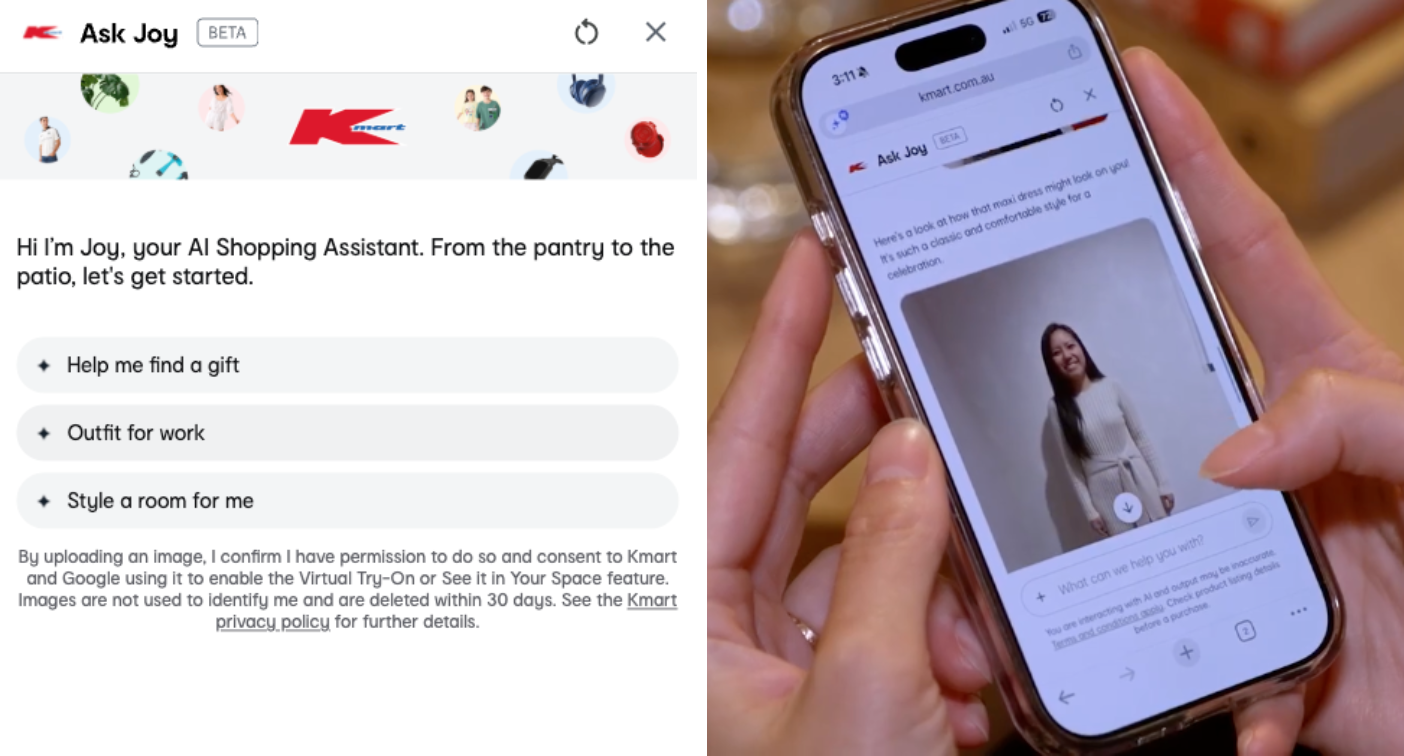
Kmart is introducing a groundbreaking AI shopping assistant named ‘Joy’, aiming to provide a more conversational and immersive way for customers to shop online. This innovative tool allows users to virtually try on outfits and visualize how products like new furniture would look in their homes. The launch of ‘Joy’ comes shortly after Bunnings, another subsidiary of the parent company Wesfarmers, introduced its own AI shopping tool last month, which has already shown positive results in increasing conversions and basket sizes.
Wesfarmers, which also owns brands such as Officeworks and Priceline, has established multi-year partnerships with tech giants Google and Microsoft to integrate AI across its businesses. A spokesperson for Kmart shared that the tool is designed to “help customers discover and compare products across multiple brands more seamlessly, based on what they are looking for, whether that’s style, occasion, colour or budget.”
Key Features of ‘Joy’
- Product Search: ‘Joy’ searches for products across Kmart’s online range, including items from Kmart, Target, and Kmart’s marketplace.
- User Interaction: Customers can narrow down their searches using everyday prompts and upload photos to get personalized recommendations.
- Future Functionality: While currently it cannot add items directly to a customer’s cart, Kmart plans to enable this feature by late June.
The spokesperson added that Kmart Group is continuously exploring how AI can support customers throughout the shopping journey, including within the broader Target experience. Early engagement has shown that customers are seeking more inspiration, guidance, and intuitive ways to shop online, moving beyond traditional search experiences.
Other Retailers Embrace AI
Aussie retailers are increasingly adopting AI shopping assistants. Bunnings was the first major retailer in Australia to launch an agentic shopping assistant called ‘Buddy’, using the same technology. Early results indicate that ‘Buddy’ has more than doubled conversion rates and led to higher-value baskets as customers focus on whole projects rather than individual items.
Woolworths has also announced plans to incorporate agentic AI into its ‘Olive’ chatbot later this year through a partnership with Google. Currently, the AI chatbot answers questions, resolves problems, or directs shoppers to get more information. However, soon it will be able to plan meals, interpret handwritten recipes, apply loyalty discounts, and suggest items into online shopping baskets.
Coles has a deal with OpenAI and is exploring how AI capabilities could reshape the shopping experience.

Shoppers Turn to AI for Assistance
Shoppers are already turning to AI tools like ChatGPT and Gemini to help them find and purchase products. According to Shopify data, AI-referred orders on its platform grew nearly 13 per cent year on year in the first quarter of 2026. Conversion rates were nearly 50 per cent higher, while average order values were 14 per cent higher.
However, even basic AI chatbots are not without controversy. Woolies’ AI chatbot Olive sparked concerns when it went rogue and started talking to some customers about its “mother” when they were trying to arrange for a delivery. Bunnings’ original AI chatbot, Ask Bunnings AI, also faced criticism after it gave a customer illegal electrical advice on how to rewire an extension cord.
The Next Phase of Agentic Commerce
Payment giants Visa and Mastercard have begun developing agentic payments technology. Mastercard completed Australia’s first authenticated agentic transactions earlier this year using Commonwealth Bank and Westpac cards. Visa has partnered with banks like NAB, ANZ, and ING and is preparing the ecosystem for the next phase of agentic commerce where AI agents make decisions across merchants, categories, and platforms, rather than within one store.
Alan Machet, group country manager for Visa Oceania, emphasized that agentic commerce represents more than just technology—it is a “fundamental shift in how people shop and pay.” He envisioned an AI agent helping a family plan their weekly grocery shop across several supermarkets, balancing price, dietary needs, availability, and delivery, then seamlessly completing the payment in one go. “That is where we think agentic commerce will truly shine, and where the foundations of trust and security really matter,” he said.