A Controversial Appearance at the Hay Festival
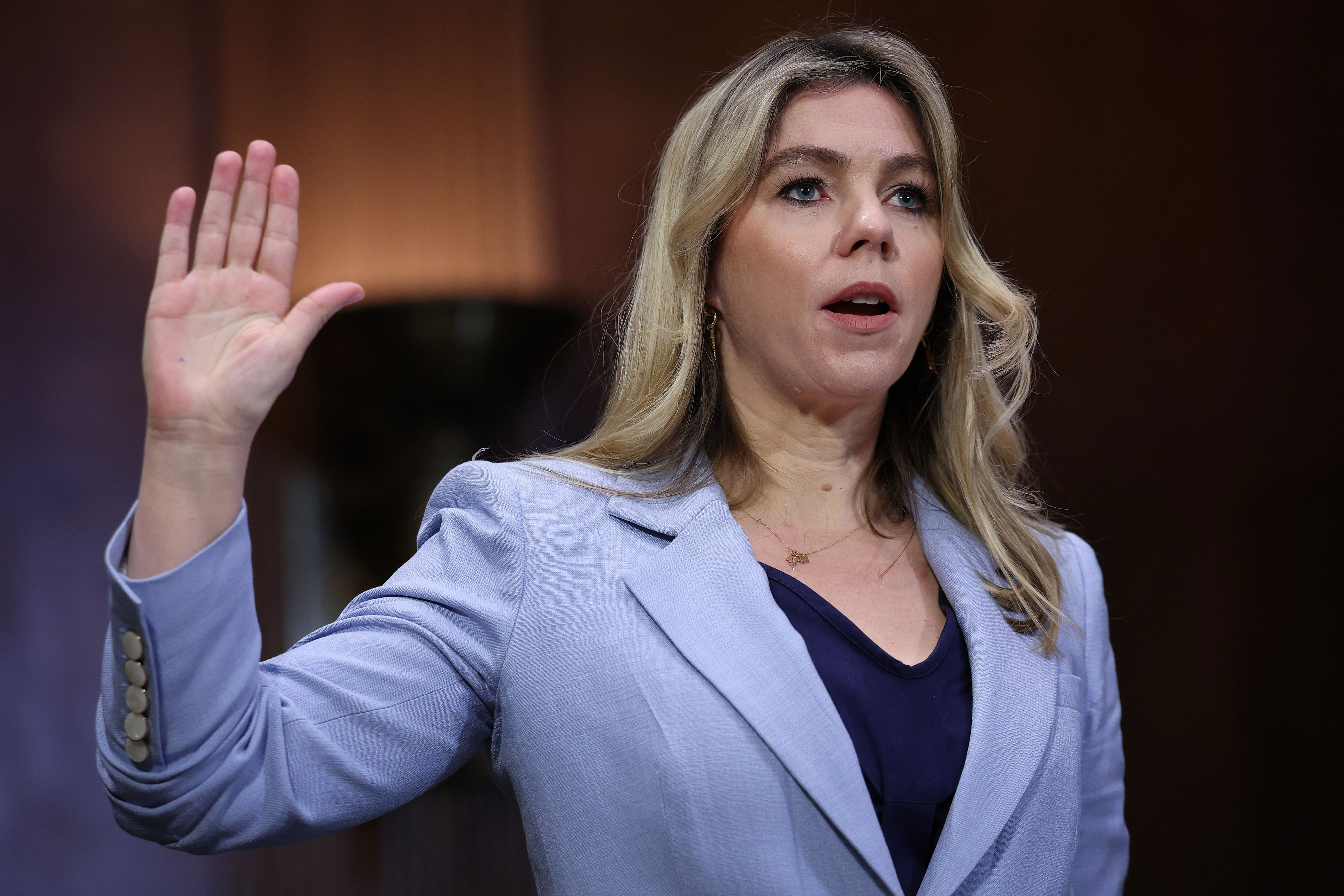
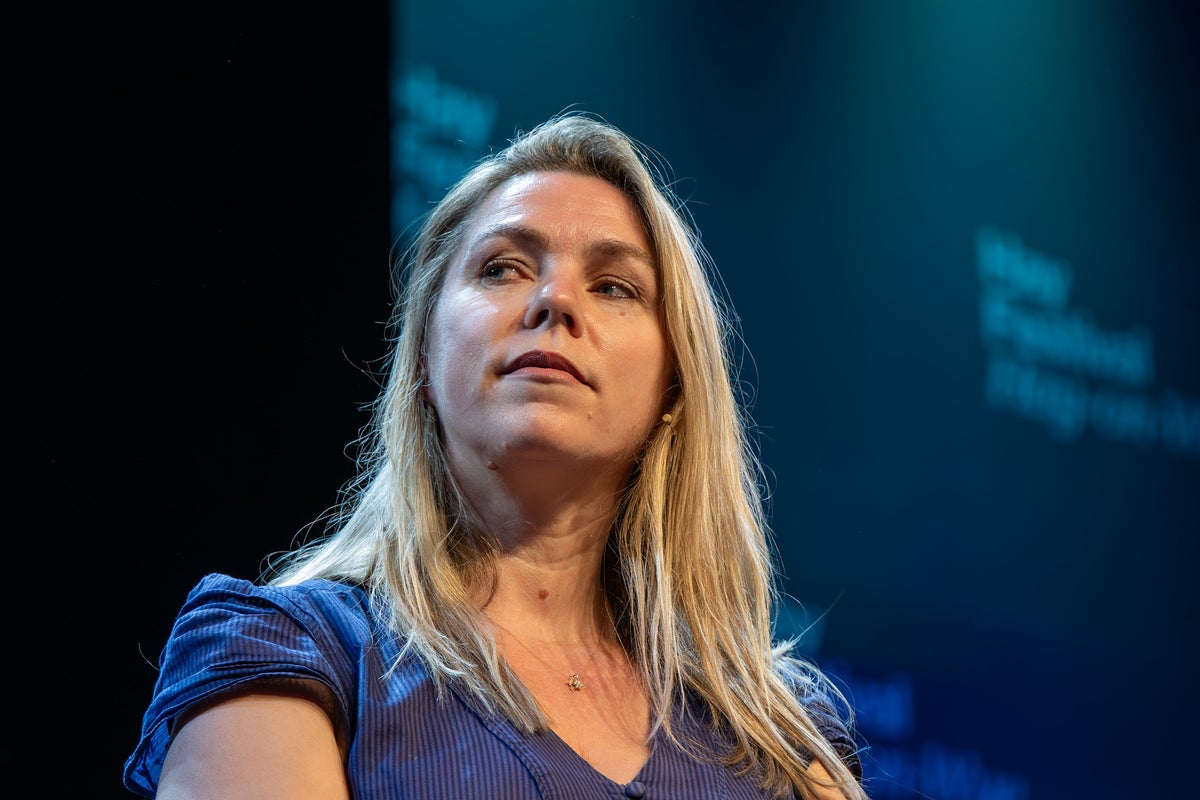
At the 2026 Hay Festival of Literature and Arts, a former Facebook employee made a notable appearance – but not in the way many expected. Sarah Wynn-Williams, author of Careless People: A Cautionary Tale of Power, Greed, and Lost Idealism, was invited to participate in a public talk titled “The Power of Tech.” However, she was effectively silenced due to a legal injunction imposed by Meta, Facebook’s parent company.
Wynn-Williams, who worked at the social media giant from 2011 to 2018, detailed her experiences in her memoir, which includes allegations about the company’s workplace culture, political influence, and decision-making processes. Her book also covers her termination from the company, which she claims was a result of filing a sexual harassment complaint against her boss, Joel Kaplan, then vice president for global public policy.
Meta has denied these allegations, stating that Wynn-Williams was fired for “poor performance and toxic behaviour.” The company also claimed that Kaplan was cleared of wrongdoing after an investigation in 2017.
Legal Restrictions and Public Reaction
Despite the controversy surrounding her book, Wynn-Williams faced significant legal restrictions during the festival. She was forbidden from speaking or even nodding during the event. The author risked a fine of $50,000 (£37,100) if she engaged in any promotion of her book.
Copies of Careless People were removed from sale at the Hay Festival shops to avoid breaching the legal injunction. During the discussion, which also featured academic Tim Wu and journalist Carole Cadwalladr, Wynn-Williams remained motionless, unable to express herself in any way.
Cadwalladr humorously remarked to the audience, “I think this might be a Hay first, in which we have an author in a hostage situation.” Despite the constraints, Wynn-Williams received a standing ovation at the end of the talk, visibly moved to tears.
Legal Battle and Ongoing Tensions
Meta filed a lawsuit against Wynn-Williams last year, claiming that the publication of her book violated a non-disparagement agreement she had signed upon leaving the company. The legal battle has continued, with Meta asserting that Wynn-Williams would be in violation of the arbitration order if she appeared in public where her book was available for sale.
During the Hay Festival event, Cadwalladr read aloud a letter sent by Wynn-Williams’ lawyers, detailing claims from a sanctions motion filed by Meta in 2026. The letter stated that Wynn-Williams would be in violation of the order “any time she appears in public in a place where she should know that her book is available for sale and her presence might draw attention to it.”
Meta also highlighted the potential bias of the other participants, referring to Cadwalladr as a journalist “primarily known for her negative coverage of Meta” and Wu as “another known critic” of the company.
Publisher’s Stance on Free Speech
Macmillan, the publisher of Careless People in the UK, has stated its commitment to upholding freedom of speech. The company has emphasized its support for authors and their right to express their views, regardless of the controversies they may spark.
As the debate over free speech and corporate influence continues, the case of Sarah Wynn-Williams highlights the complex relationship between employees, companies, and the public discourse surrounding major tech corporations.