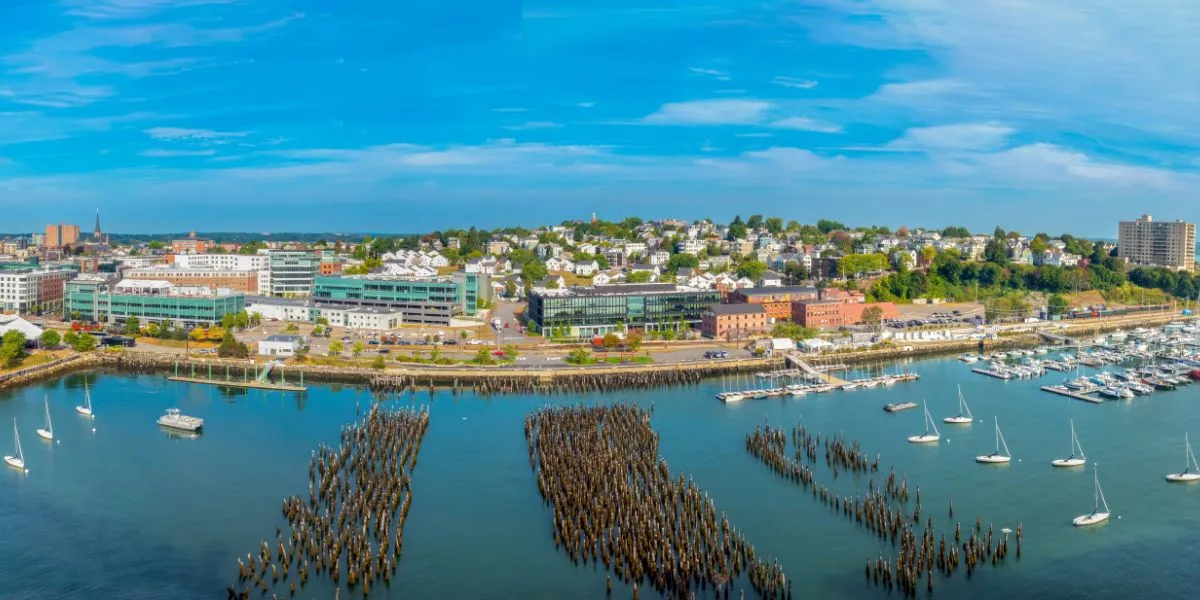
Portland, Maine: A Leader in Walkability and Wellness
Portland, Maine, has emerged as a standout in a recent wellness-focused ranking that highlights small American destinations where travelers can combine movement, food, nature, and rest. The city received a perfect walkability score of 100, significantly higher than the 72 average among the 21 towns reviewed.
In Portland, walking is more than just exercise—it becomes the primary way visitors experience the city. A morning coffee run, a harbor stroll, a walk to dinner, or a route through Victorian streets can all contribute to daily movement without requiring a gym session or planned workout. Travel advisor Whitney Shindelar shared her perspective with the publication, stating, “As I reflect on my favorite cities in America, they often correlate with my step count at the end of the day.” This idea helps explain Portland’s appeal, as it allows visitors to stay active while still feeling relaxed, spontaneous, and connected to local life.
The city’s compact layout makes it easy for visitors to move between the Old Port, the waterfront, the West End, shops, restaurants, and historic streets without transportation becoming the focus of their day. Additionally, Portland offers access to kayaking, ferry rides, beaches, fishing areas, and nearby trails. The Back Cove Trail provides a scenic loop close to the city, while Bradbury Mountain State Park is ideal for those seeking a more traditional outdoor excursion.
This combination of features makes Portland more than just a walkable restaurant-and-shopping destination. It also serves as a base for light adventure, coastal scenery, and time outdoors.
Other Towns Bring Different Strengths
The ranking highlighted that wellness travel can take many forms, with each town offering unique strengths. Bend, Oregon, was recognized for its access to hiking, cycling, skiing, paddling, and river activities. Kihei, Hawaii, offered beaches, snorkeling, surfing, and sunshine. Ann Arbor, Michigan, ranked highly for walkability, with a score of 98. The university city combines trails, lakes, fitness studios, and restaurants in a setting that makes active travel feel practical.
Santa Fe, New Mexico, brought a food-and-culture angle, featuring regional cooking, chile traditions, a major farmers’ market, and restaurants tied to local ingredients. While Portland led on walkability, EatingWell named Asheville the overall winner. The North Carolina mountain city was recognized for plant-based dining, farm-connected restaurants, independent businesses, outdoor access, and community identity.
The publication also noted Asheville’s recovery after Hurricane Helene caused serious damage in western North Carolina in 2024, including flooding in the River Arts District. Palm Springs, California, rounded out the list with a slower kind of wellness, centered on spas, mineral waters, yoga, desert hotels, and nearby hiking.
Together, these destinations suggest that healthy travel is becoming less rigid. A restorative trip might begin with a spa treatment, a mountain trail, a farmers’ market, or, in Portland’s case, simply a good pair of walking shoes.