New Climate Targets Require Significant Lifestyle Changes
The UK government has set ambitious new climate targets that will require families to significantly alter their daily habits. These targets, endorsed by the Climate Change Committee (CCC), aim to cut carbon emissions by 87 per cent by 2040. This is one of the most aggressive climate goals in the world and could have far-reaching implications for how people live and consume.
Key Recommendations for Households
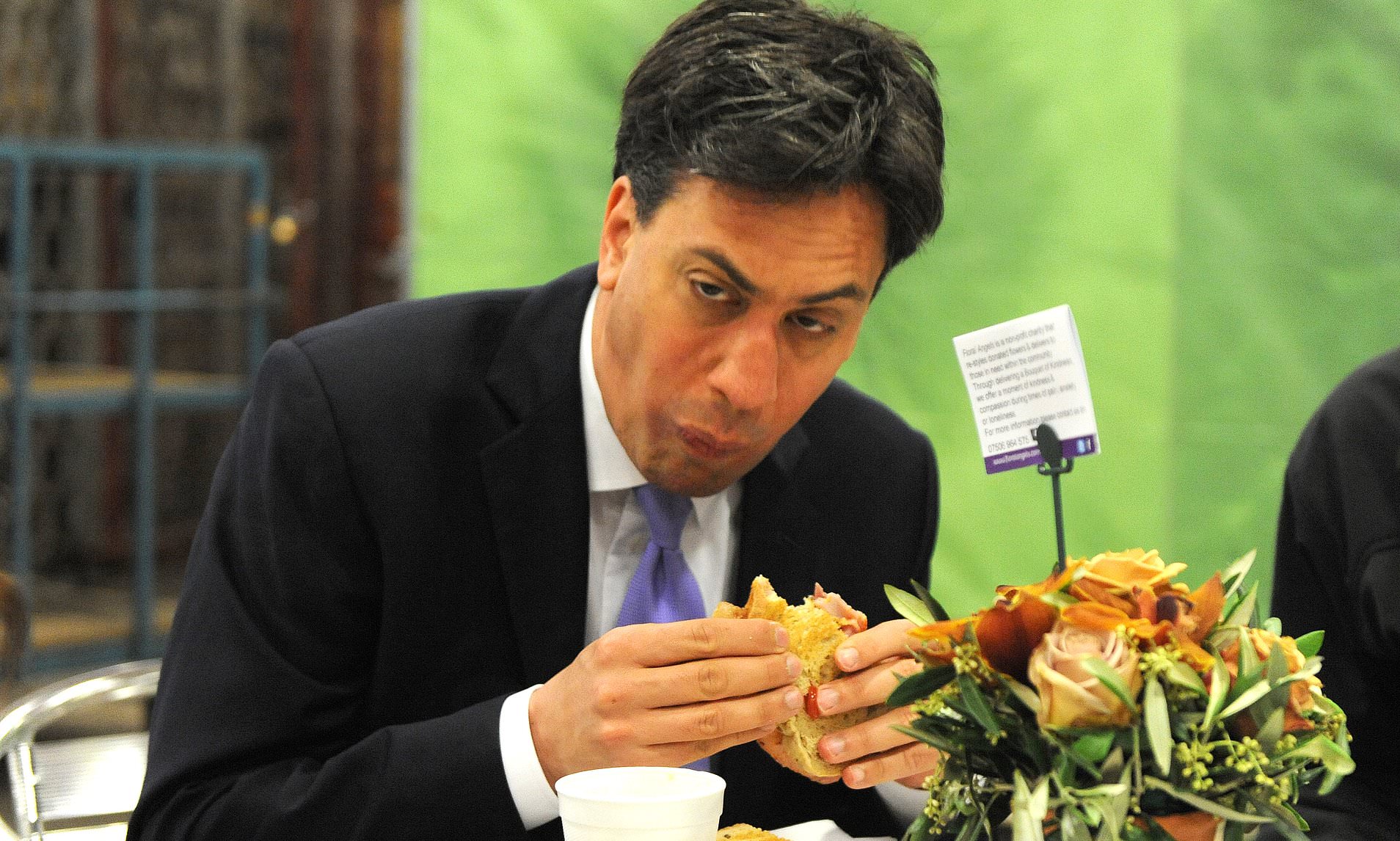
To meet these targets, households will need to make several key changes. One of the most notable recommendations is a reduction in meat and dairy consumption. Specifically, meat consumption would need to decline by 25 per cent by 2040 compared to 2019 levels, while dairy consumption would have to fall by 20 per cent. These reductions are seen as essential to achieving the overall emission cuts.
In addition to dietary changes, families will also be encouraged to switch to electric vehicles and replace traditional boilers with heat pumps. The CCC argues that these measures will not only reduce carbon emissions but could also lead to lower energy bills in the long term, despite the high initial costs.
Balancing Emissions and Daily Life
Despite these significant changes, the CCC’s report suggests that families will still be able to fly at close to current levels. This indicates that while some aspects of daily life will need to change, others will remain relatively unchanged.
The goal of cutting greenhouse gas emissions by 87 per cent on 1990 levels is considered crucial for reaching Net Zero by 2050. However, this target faces opposition from some political groups, including the Conservatives and Reform UK, who have pledged to abolish such targets if they come into power.
Political Implications and Public Reaction
Labour has embraced the CCC’s recommendations, arguing that the policies align with public opinion and long-term benefits outweigh any short-term costs. A Labour source stated that the party is prepared to defend these targets, emphasizing the importance of energy security, investment, and Britain’s future competitiveness.
The CCC’s seventh Carbon Budget, covering the period 2038-42, sets a legally binding cap on emissions for five years. Legislation is expected to be introduced soon, with a parliamentary vote anticipated before the end of the month.
However, there are concerns that the targets could become a “straitjacket,” limiting the flexibility of future governments. Shadow energy secretary Claire Coutinho has criticized the proposals, claiming they will make households “weaker, poorer” and increase energy bills.
Challenges Ahead
While the CCC believes that the changes will be achievable, it acknowledges that they go beyond current trends. This means that the government will need to actively encourage families to adopt these new habits. The success of these policies will depend on public support, government action, and the ability to manage the transition smoothly.
As the debate over climate policy continues, the focus remains on balancing environmental goals with economic and social considerations. The coming months will be critical in determining how these ambitious targets are implemented and whether they can be achieved without causing undue hardship for families.