The Director’s Dilemma: J.J. Abrams and the ‘Star Wars’ Reunion Debate
J.J. Abrams is a name synonymous with high-concept storytelling, particularly through his work on the television series Lost, which became a cultural phenomenon. However, when he took the helm for the Star Wars sequel trilogy, his creative choices sparked intense debate among fans and critics alike.
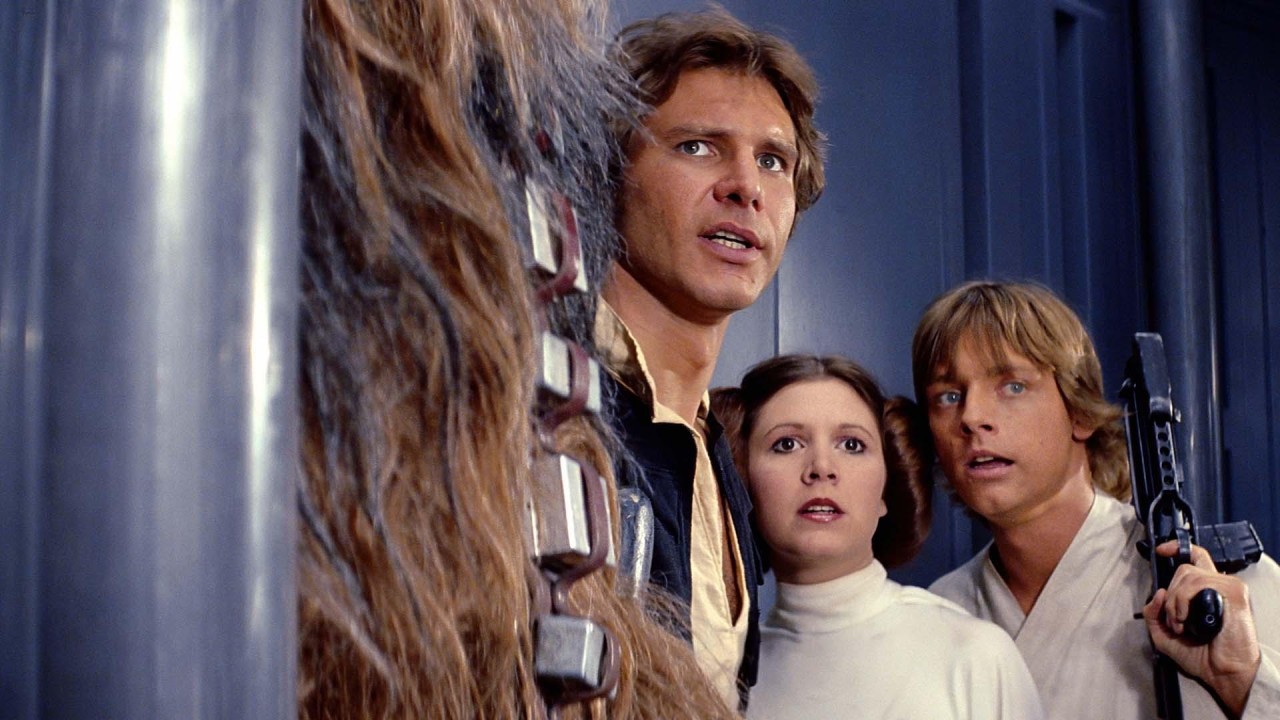
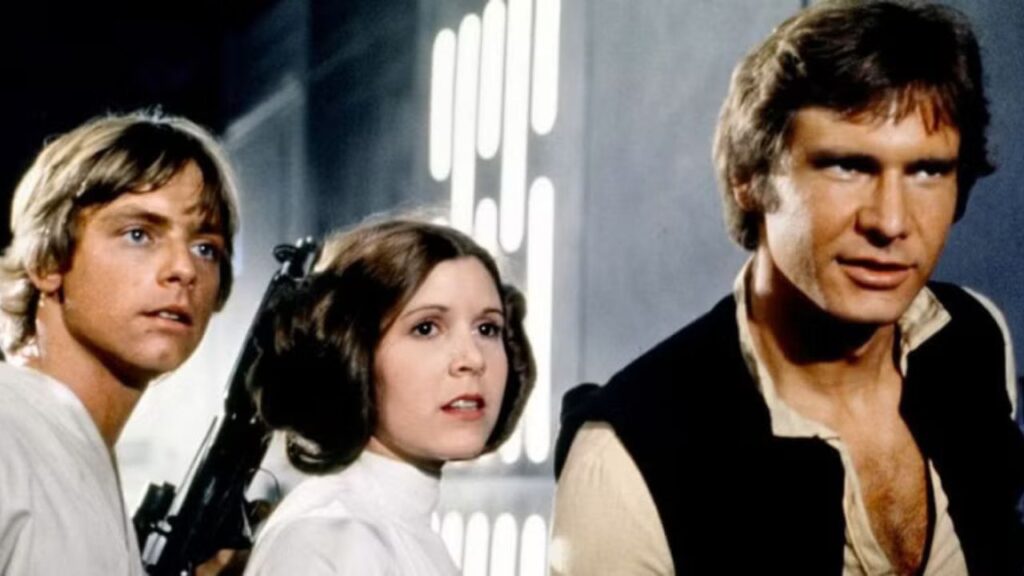
One of the most controversial decisions came in the form of not bringing together the original trio of Star Wars — Luke Skywalker, Leia Organa, and Han Solo. This decision highlighted a recurring theme in the Star Wars saga: the tension between creative vision and fan expectations.
Mark Hamill’s Pitch for a 30-Second Reunion
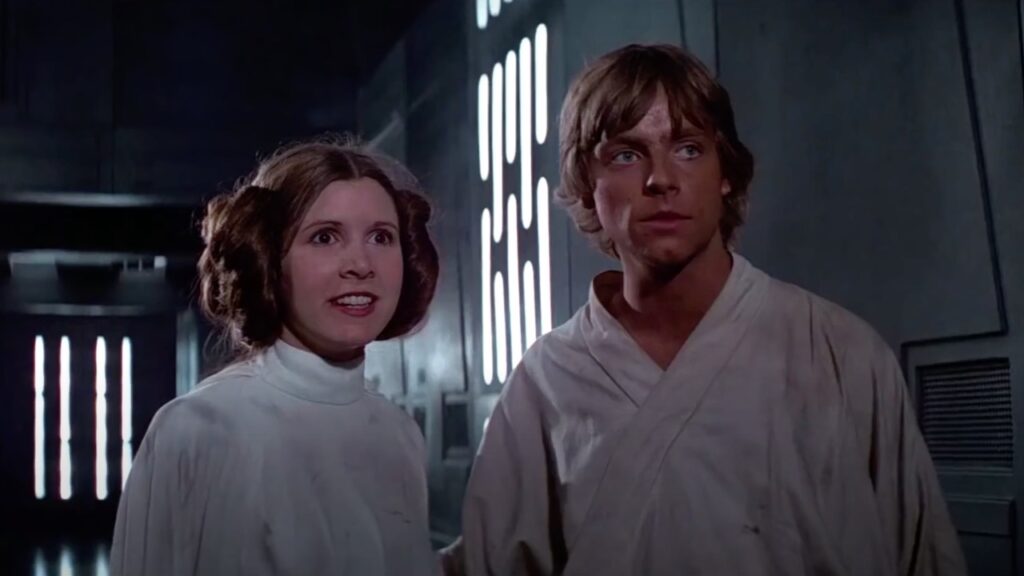
During an interview with The Hollywood Reporter at the Actors Roundtable, Mark Hamill revealed that he had proposed a brief reunion of the original three characters during the production of The Force Awakens. He suggested that a 30-second scene where all three would come together could be a meaningful moment for fans.
Hamill recalled saying, “Aren’t we going to have a moment where all three of us get together to raise the roof? It’ll only take 30 seconds.”
Abrams responded with a firm “Well, Mark, it’s not Luke’s story anymore.” Hamill added, “Star Wars wasn’t Obi-Wan in that story, but Alec Guinness had a crucial role, you know.” He concluded with a resigned tone, “Anyway, nobody listens to me.”
This exchange underscored the challenge of balancing nostalgia with new narratives. The film ultimately focused on younger heroes, leading to no real reunion of the original trio, as Han Solo’s death occurred before Luke joined the plot.
The Ever-Present Creative Conflict in Star Wars
The conflict between actors and directors in the Star Wars universe is not a one-off event. It has become a defining characteristic of the franchise in recent years. One of the most notable examples was in 2017, when directors Phil Lord and Chris Miller were replaced by Ron Howard during the production of Solo: A Star Wars Story. The studio cited disagreements over the use of improvisation and comedic elements as reasons for the change.
George Lucas himself also voiced concerns about J.J. Abrams’ approach to The Force Awakens. He criticized the film for relying too heavily on the structure and visuals of the original 1977 movie, A New Hope, creating a sense of a “retro past” rather than a fresh narrative.
The Battle Over Canon and Legacy
The creative conflict extends beyond writing and into the very fabric of the Star Wars canon. Fans have long debated whether elements from the Expanded Universe (EU), such as Mara Jade, should be incorporated into the main storyline. George Lucas maintained a strict separation between the movies and the EU, referring to it as a “parallel universe.”
Lucas explained, “There’s my world, which is the movies, and there’s this other world that has been created, which I say is the parallel universe—the licensing world of the books, games, and comic books.” This distinction ensures that the theatrical timeline remains intact, even if it means disappointing some long-time fans.
Fan Reactions and Ongoing Debates
While Abrams’ decision to focus on the new cast members may have been a strategic move to introduce a fresh generation to the Star Wars universe, it also raised questions about what was lost in the process. Some fans argue that the sequel trilogy missed an opportunity to honor the legacy of the original films, while others believe it was necessary to evolve the story.
Do you agree with the decision to create a story that focuses on the new cast members? Or do you think the Star Wars sequel trilogy made a huge mistake? Share your thoughts below in the comments section!
Other Related Stories
You might also like to read:
“The Alien Inside the Trench Coat”: Why Jack Sholder’s The Hidden Remains A Sci-Fi Cult Classic