A Journey of Healing and Reclamation
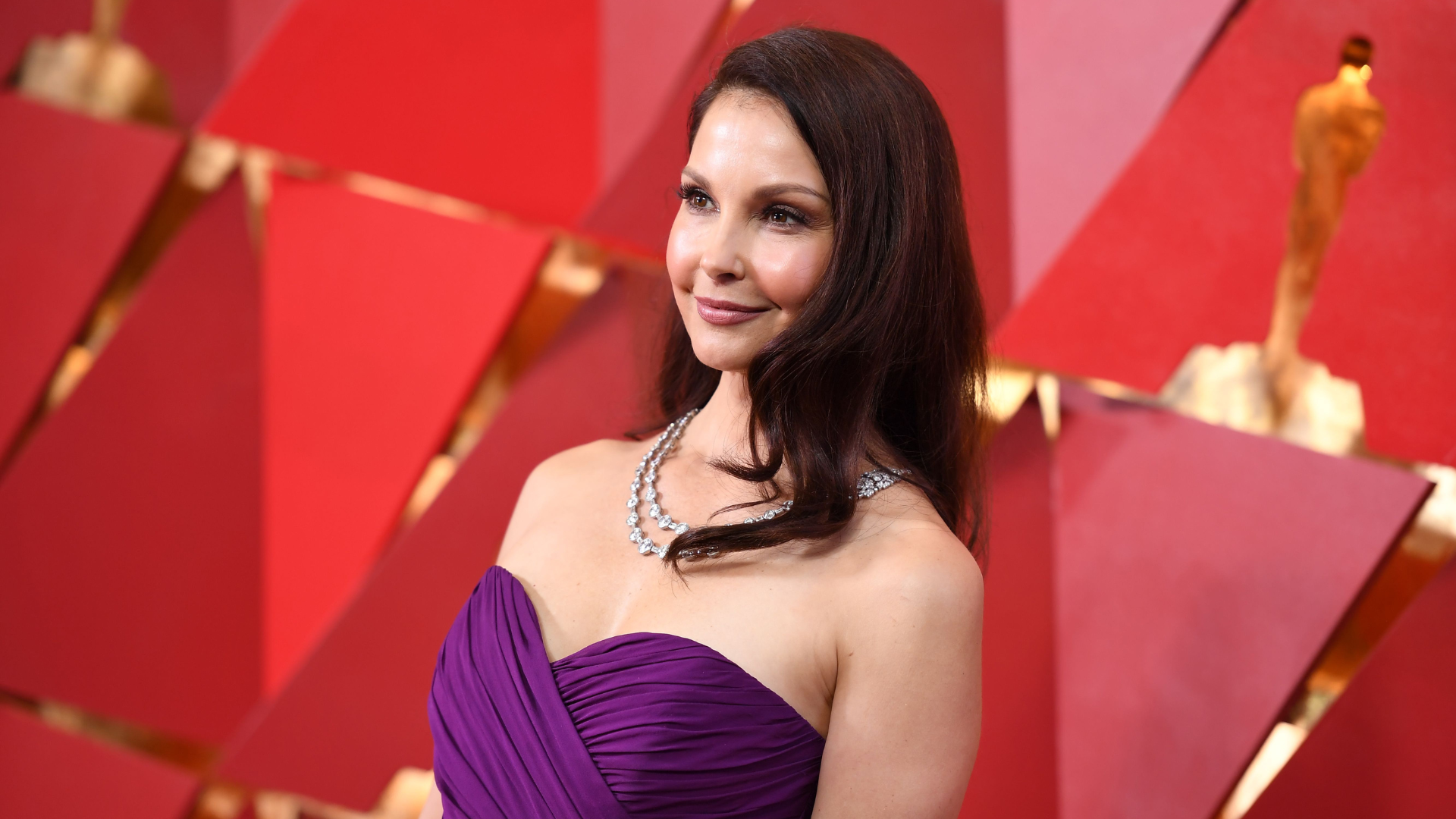
Ashley Judd’s career has been marked by both triumph and trauma. As one of the most recognizable actresses from the 90s and 2000s, she starred in iconic films like Double Jeopardy, which solidified her status in Hollywood. However, behind the scenes, her journey was far more complex.
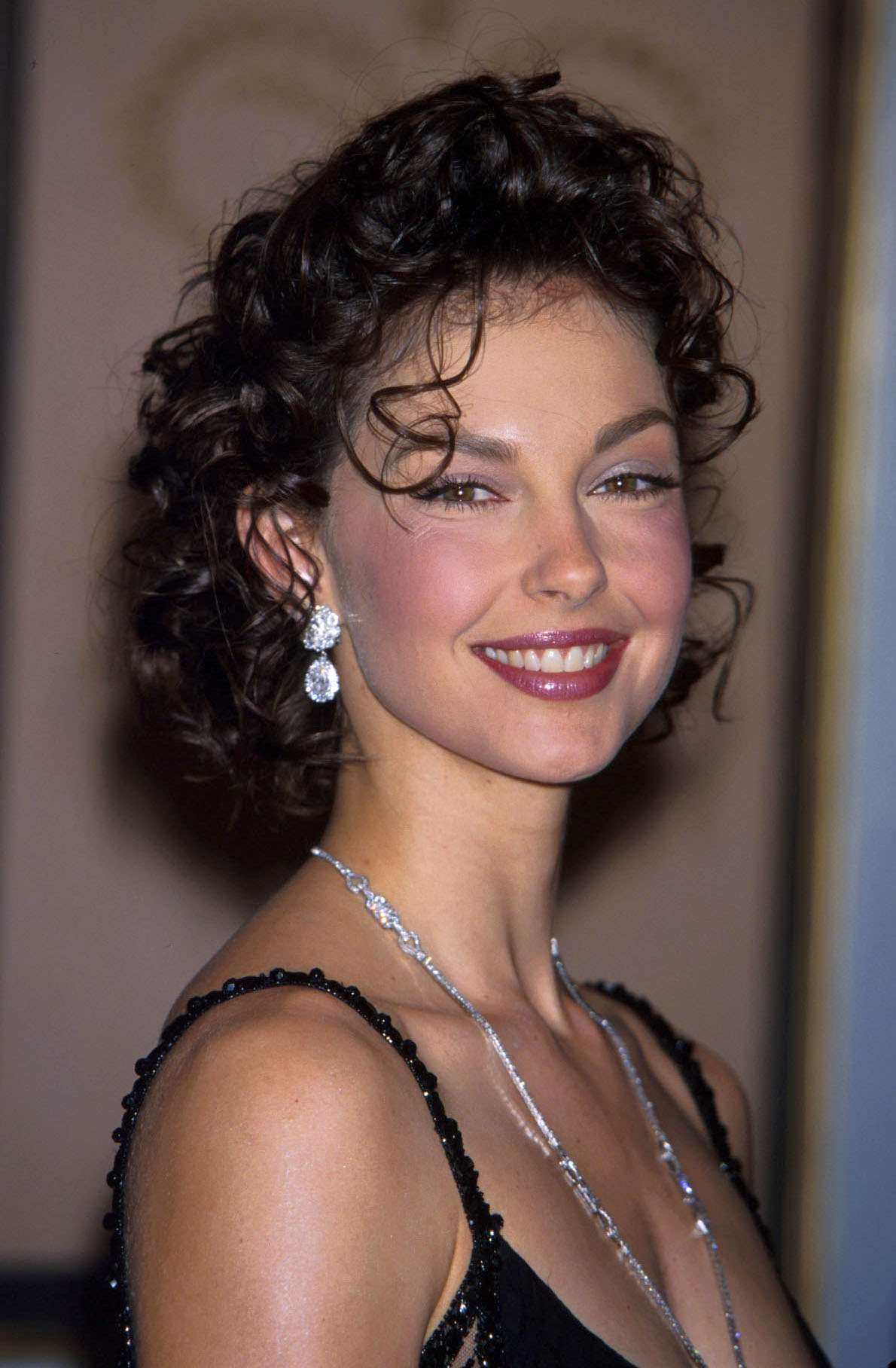
In 2017, Ashley found herself once again in the spotlight—not for a film or a role, but for a powerful statement against Harvey Weinstein. She became one of the first and most prominent actors to publicly accuse the movie mogul of sexual assault. The incident, which she recounted on ABC with Diane Sawyer, took place in 1997 during what she thought was a breakfast meeting at his hotel. What followed was a deeply unsettling experience where Weinstein pressured her for massages and even asked her to watch him shower. To escape, Ashley struck a deal, promising to win an Oscar in one of his movies.
“He just kept coming at me with all this other stuff. Finally, I just said ‘When I win an Oscar in one of your movies, OK?’” she recalled. “He said ‘When you get nominated’. I said ‘No, when I win an Oscar’. And then I just fled.”
After this encounter, Ashley faced severe repercussions. Her career in Hollywood was effectively blacklisted. This was confirmed by Peter Jackson, who revealed that he didn’t cast her at Harvey Weinstein’s insistence. Despite this, Ashley pursued legal action, filing a lawsuit for sexual assault and defamation. While the former case was dismissed, she was allowed to proceed with the defamation claim.
This was a significant victory in her fight to reclaim power over her life. Another milestone came in May 2026, as she celebrated her 58th birthday by reconnecting with her inner child.
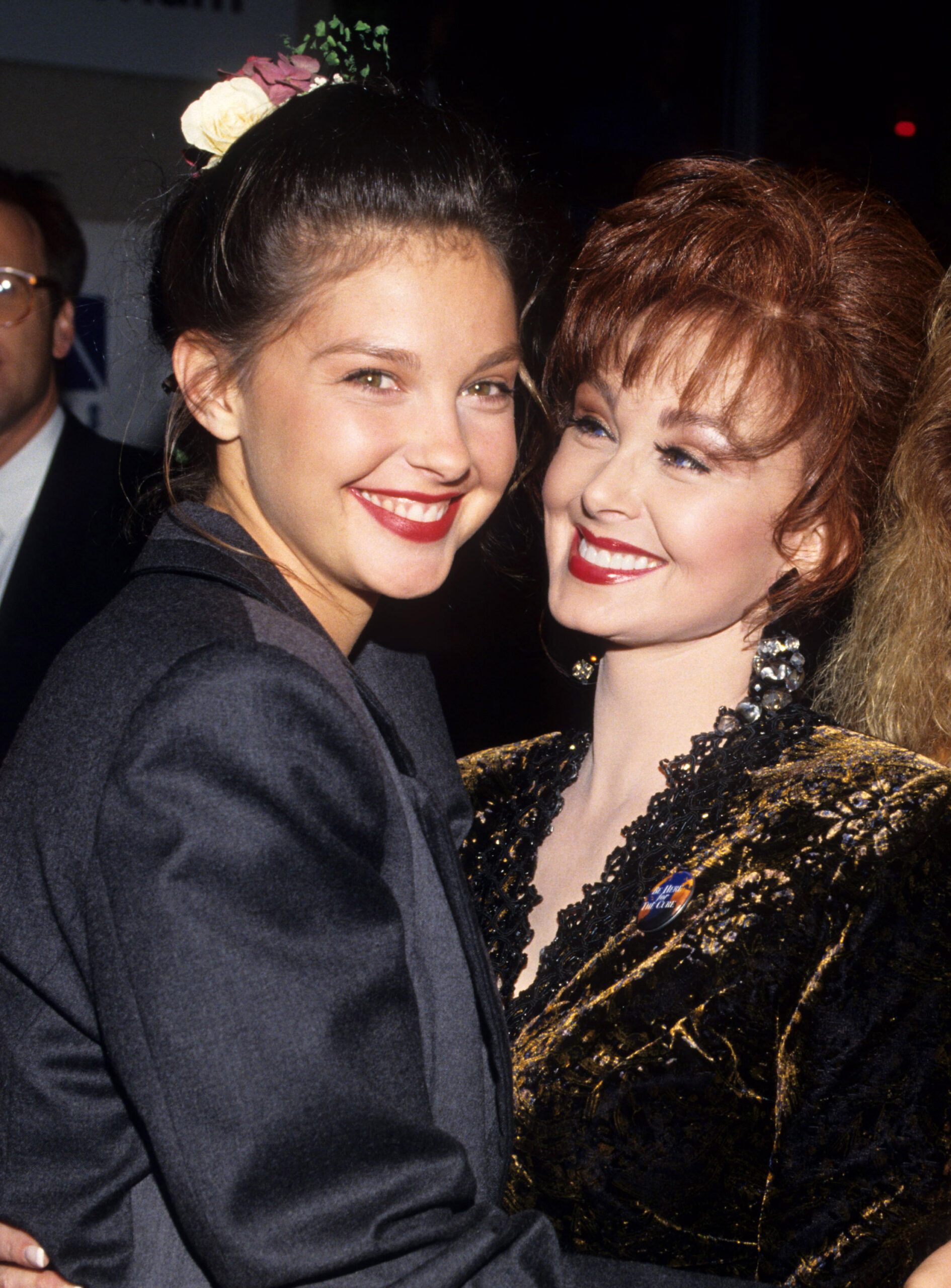
Ashley’s childhood was shaped by a complicated relationship with her mother, Naomi, a country music star who struggled with depression, PTSD, and bipolar disorder. Tragically, Naomi passed away in 2022 at the age of 76. Ashley was present during her final moments, recalling their last conversation on The Judd Family: Truth Be Told docuseries.
“She said, ‘I don’t want to be here anymore.’ After calming her down, she went upstairs. Later, I followed her and discovered that she had harmed herself.” Ashley described the moment with deep emotion, adding, “The first thing I said to her was, ‘It’s okay, it’s okay. I’ve seen how much you’ve been suffering.’ And we just breathed together, and I talked to her and told her how much I loved her, and it’s okay to go.”
For Ashley, healing has been a long process. She often felt her needs were unmet during her childhood, especially in terms of support and nurturing. Now, as an adult, she is actively working to address those gaps.
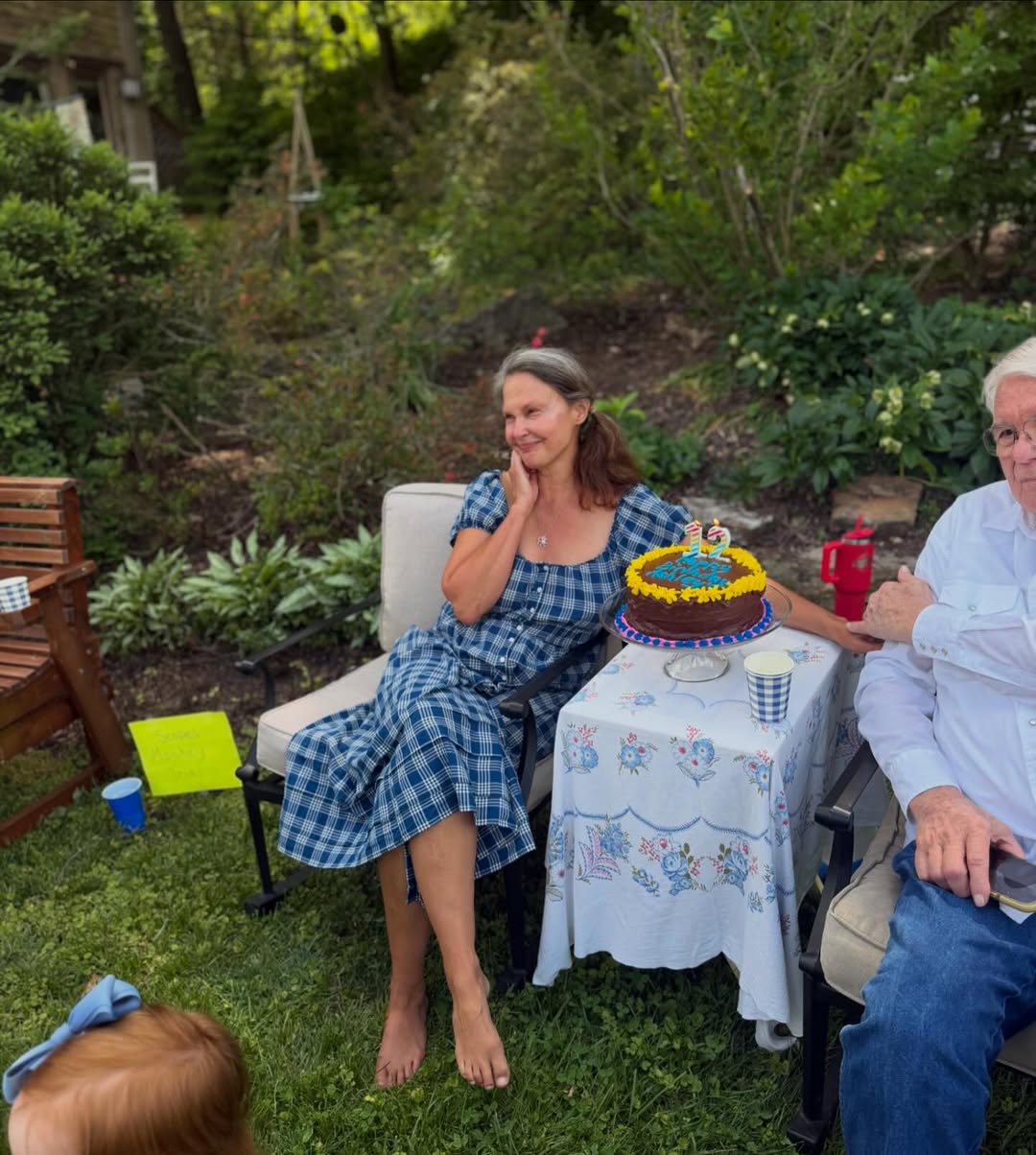
“On my 58th birthday, my inner 12-year-old was ready to receive love, care, attunement, delight, protection, and provision,” she wrote. “Today, as adults, we can listen carefully to those missings, identify what happened that should not have happened — and, crucially, what did not happen that should have happened — supplying that, now, with love and humor to ourselves.”
She remembers small joys from her childhood, such as learning to square dance or discovering dinosaurs. However, her home life lacked the support and guidance she needed. “There was no parent (or adult) supporting, nurturing, guiding and reinforcing my learning, delighting in, or protecting that little girl,” she confessed.
To heal, Ashley recently restaged her 12th birthday party with people who understand and cherish carefree timelessness. “We backfilled what was always missing and no longer is, thanks to vulnerable imagination.”
If you or someone you know has been affected by any of the issues raised in this article, help is always available. Call Lifeline on 13 11 14 or visit their website. OR Call 1800 RESPECT on 1800 737 732 or visit their website.