The Most Expensive Costume in Film History
When it comes to the most expensive costumes ever created for the screen, many people immediately think of grand fantasy epics or lavish historical dramas. However, the record for the priciest costume ever made for a film is held by a 1944 musical comedy starring Ginger Rogers. Titled Lady in the Dark, this Technicolor adaptation of a hit Broadway musical was notable not just for its story but for one particular garment that captured the attention of both critics and the public.
A Gown That Stole the Show
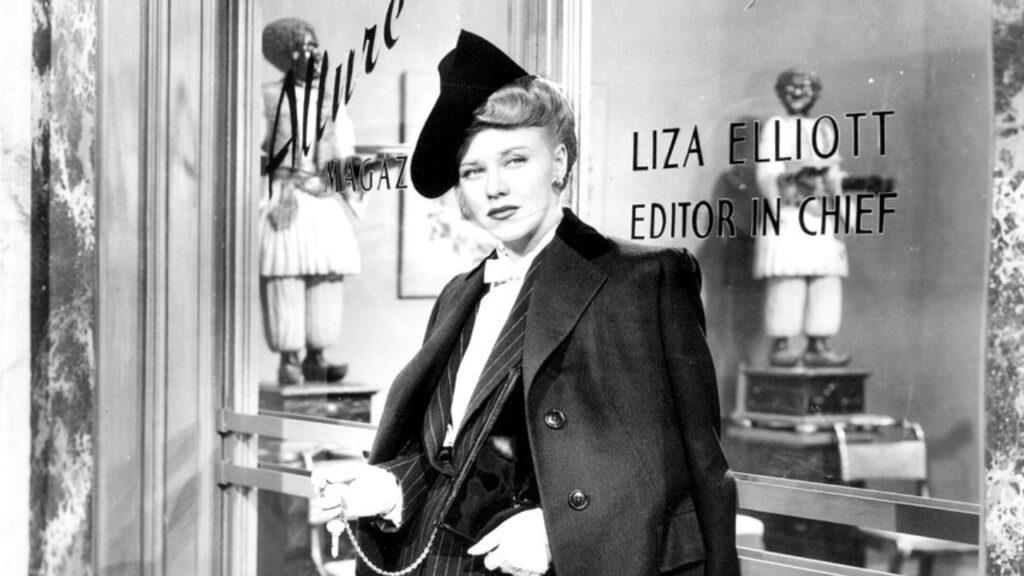
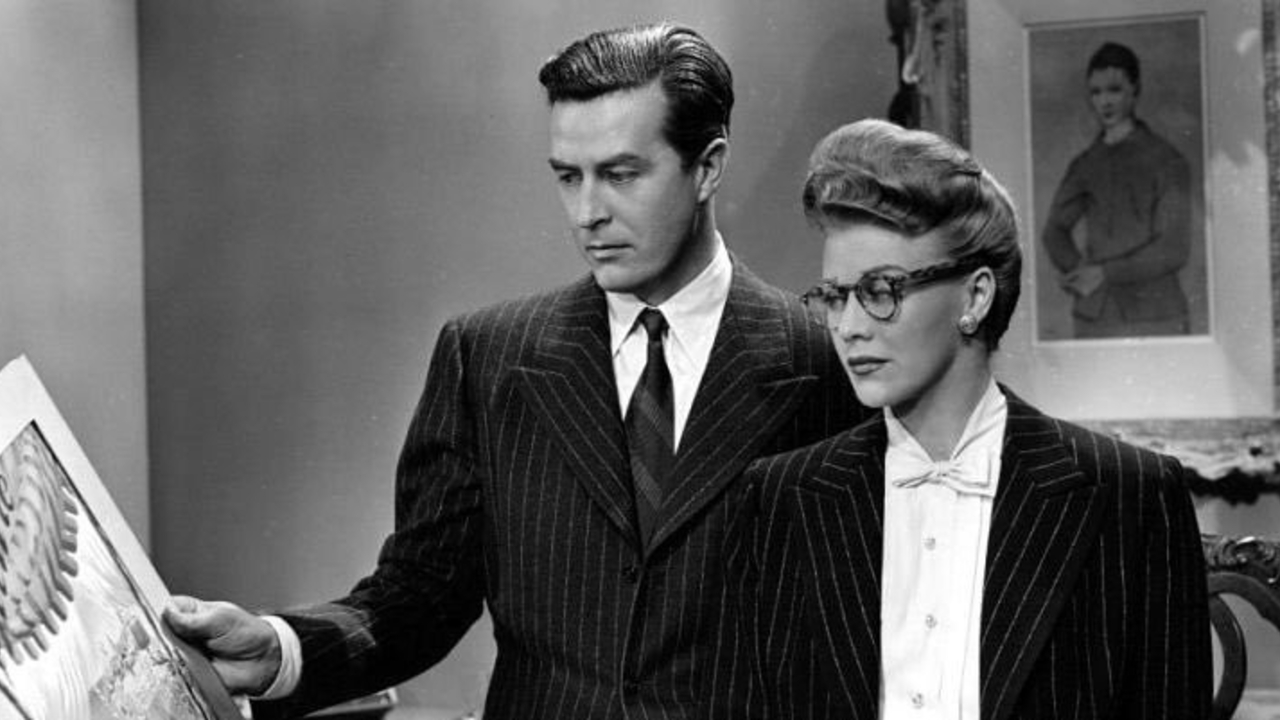
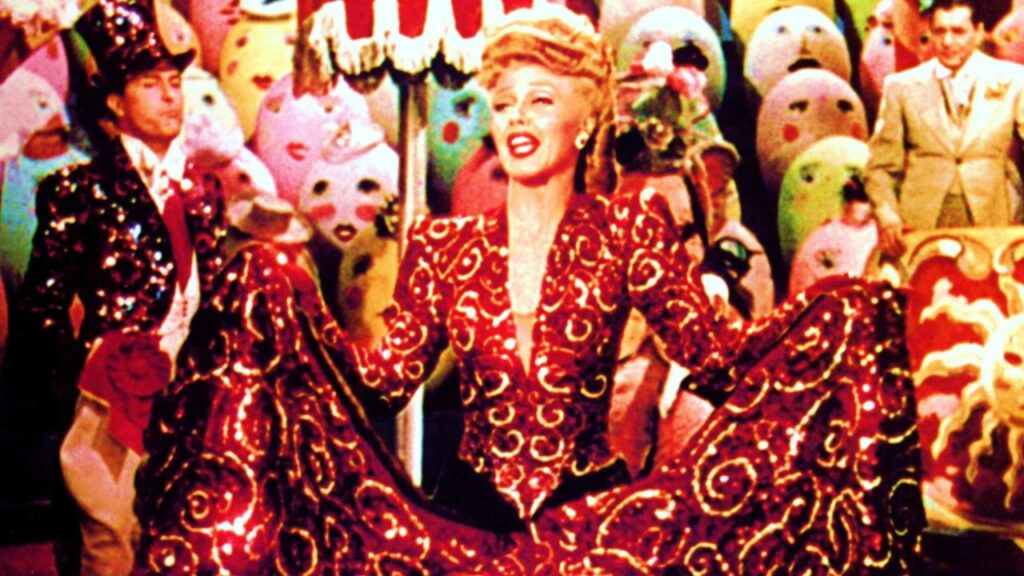
In Lady in the Dark, Rogers plays Liza Elliott, a fashion magazine editor whose professional life contrasts sharply with her dream sequences. These fantasy segments allowed the filmmakers to create visuals that were far more elaborate than anything else in the film. Among these, the most ambitious was the musical number The Saga of Jenny, which featured a costume designed by Edith Head, one of Hollywood’s most celebrated costume designers.
The gown was intended to embody pure spectacle. It included a fitted bodice, long sleeves, matching gloves, and thousands of red and gold glass jewels attached by hand. The skirt was crafted from genuine mink fur, paired with a matching bolero jacket and a hand muff made from mink tails. According to Head’s memoirs, the outfit cost roughly $35,000 in 1944, with around $15,000 attributed to the fur alone. Adjusted for inflation, this would be over $600,000 today.
A Costly Creation
Despite its extravagance, the costume became a point of controversy during World War II. At a time when Americans were being asked to conserve resources and make sacrifices, a $35,000 dress was seen as excessive. The film had already exceeded its budget, and newspapers frequently highlighted the contrast between Hollywood luxury and the realities faced by ordinary Americans.
The gown also presented practical challenges. The original version was so heavy that Rogers struggled to perform the choreography required for the sequence. To address this, Paramount ordered a second version of the costume. The glass jewels were replaced with lightweight sequins, and the skirt was modified to allow greater movement. This revised version maintained the same visual impact while making the performance feasible.
The Creative Battle Behind the Dress
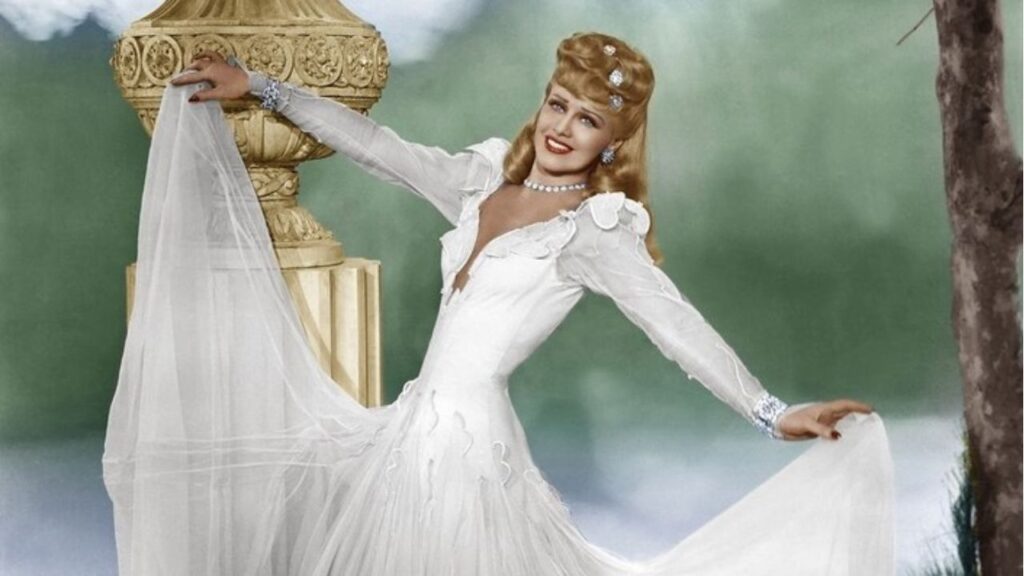
The story behind the gown becomes even more interesting when considering the creative process involved. Initially, the studio had planned for renowned designer Valentina to handle many of Rogers’ costumes, as the film revolved around the fashion industry. However, Rogers reportedly disliked several of Valentina’s concepts and pushed for significant revisions.
As one of Hollywood’s biggest stars, Rogers had considerable influence. She turned to Edith Head, with whom she had already built a successful working relationship. The studio eventually gave Head greater creative control, allowing her to redesign major portions of the dream-sequence wardrobe, including the circus costume that became the film’s signature image.
By the time production ended, Head’s work had become central to the movie’s visual identity, and her name received lasting recognition. Over eighty years later, the Lady in the Dark gown remains unique in film history. It was a technical challenge, a wartime controversy, and the product of a behind-the-scenes creative struggle, all wrapped into a single costume that still holds a place in Hollywood legend.