
As the summer travel season begins to pick up, health advisories are once again becoming a key part of vacation planning. In response to recent concerns about Ebola in certain parts of Africa, India has issued a travel advisory urging its citizens to avoid all non-essential travel to Congo, Uganda, and South Sudan. Although officials have confirmed that there are currently no Ebola cases within India and the overall risk inside the country remains low, travelers are being encouraged to remain cautious and well-informed before embarking on international trips.
What Has Changed?
One of the most noticeable changes for passengers this season is the increased airport screening, especially for those arriving from or transiting through African countries. Depending on the route, airport authorities may conduct temperature checks, request recent travel history, or ask for health declarations before arrival or departure. Travelers coming from affected regions could also be asked to self-monitor for symptoms for up to 21 days.
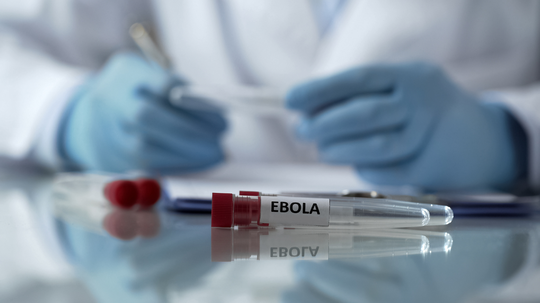
Experts emphasize that there is no reason to panic, but this situation serves as a reminder that international travel now comes with a stronger focus on public health awareness. Ebola does not spread through casual contact or simply by being on a flight. The virus spreads through direct contact with bodily fluids of an infected person or contaminated surfaces. This means that the average tourist traveling responsibly is considered low risk. However, travelers should take a few practical precautions before boarding a flight this summer.
What Travellers Need To Take Care Of
The first step is to check official travel advisories regularly. Health situations can change rapidly, and countries may update entry rules, transit restrictions, or airport procedures without much notice. A destination that was considered safe one week could issue new precautions the next.
Travel insurance is another major recommendation this year. Experts advise tourists to choose comprehensive coverage that includes medical emergencies, hospitalisation, trip disruptions, and emergency evacuation support. Many travelers often overlook the fine print of insurance policies until something goes wrong abroad.
Passengers are also being advised to pay closer attention to personal hygiene during travel. Frequent hand washing, using sanitiser in crowded airports, avoiding close contact with visibly unwell individuals, and staying alert to symptoms like fever, vomiting, severe weakness, or unexplained bleeding can make a difference.
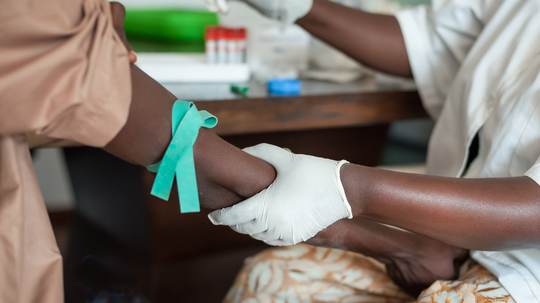
Another important point for travelers to remember is transit routes. Even if your final destination is not considered high risk, some flights may pass through countries under enhanced monitoring. Checking layovers and transit requirements before booking tickets can help avoid last-minute confusion at airports.
Doctors also recommend that elderly travelers, people with weakened immunity, and families traveling with young children take extra precautions before planning trips to regions under active health advisories.
At the same time, health officials stress that global advisories are meant to encourage preparedness, not fear. Popular tourist destinations across Europe, Southeast Asia, the Middle East, and large parts of Africa continue to remain open and operational for international visitors.
For travelers, the key message is simple: stay informed, follow official guidance, and travel smart. In 2026, being prepared has become just as important as packing your passport.
Stay updated with the latest and breaking news on Times Now. Get latest India News, World News, Business News, Sports News, Viral News and Education News also explore Entertainment News and Lifestyle Tips.