London’s Tube Strikes Continue, with More Disruption Expected
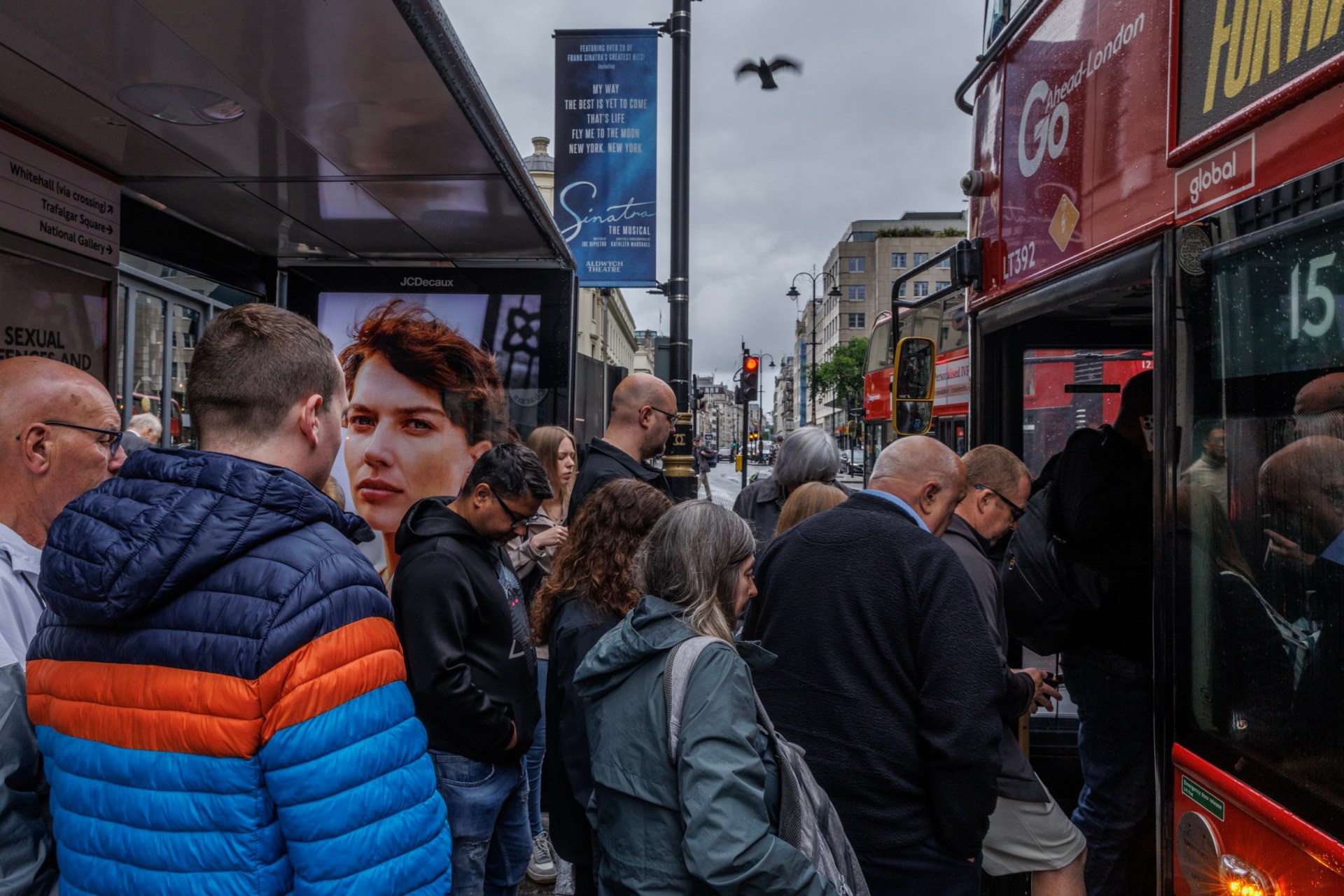
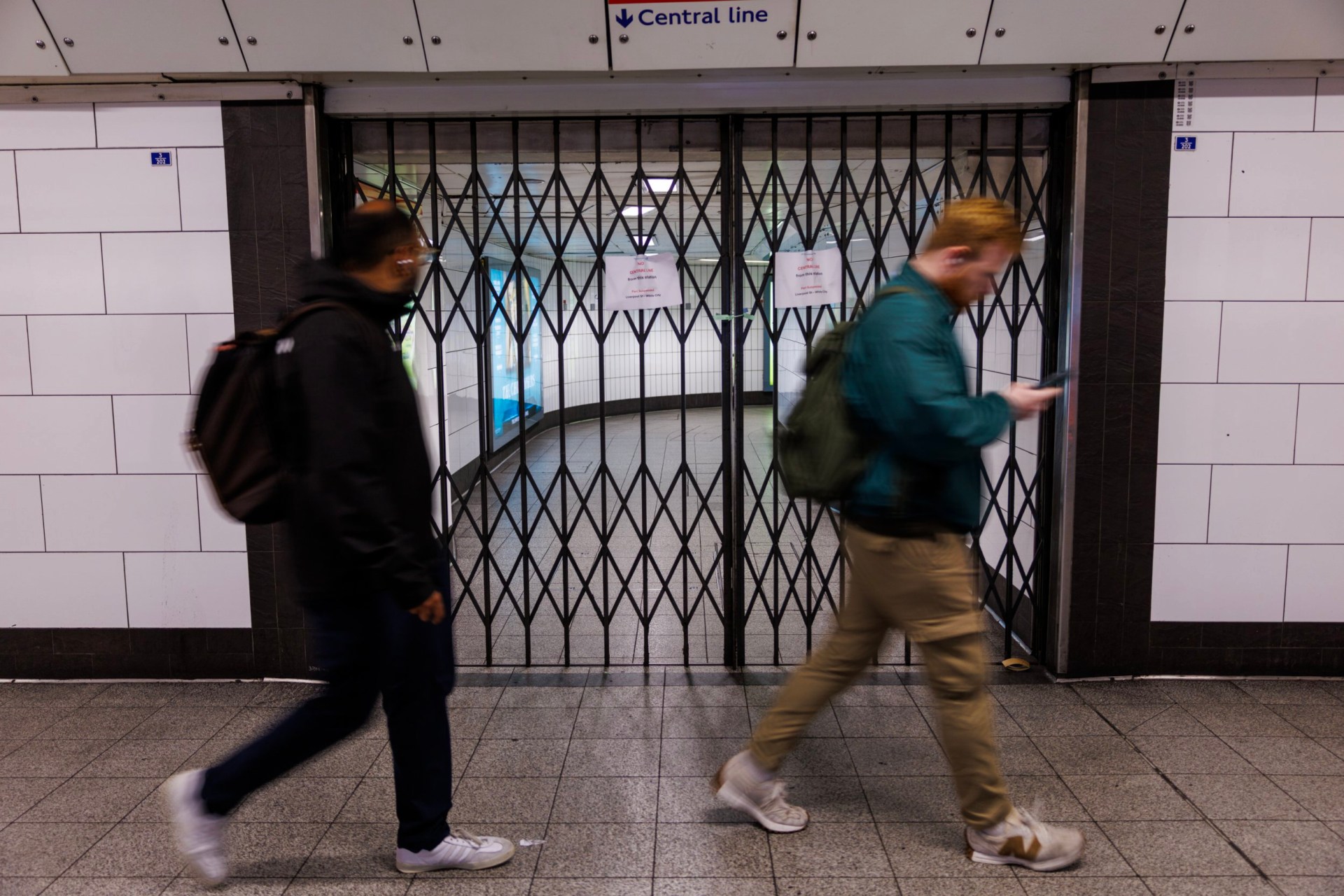
London is facing another day of disruptions as the Tube strikes continue. This comes after a 24-hour walkout on Tuesday and Thursday, causing significant travel chaos for commuters and businesses alike. While many are hoping to return to normal operations, the ongoing dispute between the Rail, Maritime and Transport union (RMT) and Transport for London (TfL) remains unresolved.
Industrial action has become a common part of life in the city, but this latest round of strikes has raised concerns about what might come next. The conflict, which also led to disruptions in April and a near-miss in May before being called off, is far from over. With tensions still high, there are growing questions about whether more strike action could be on the horizon.
RMT’s Position on Future Strikes
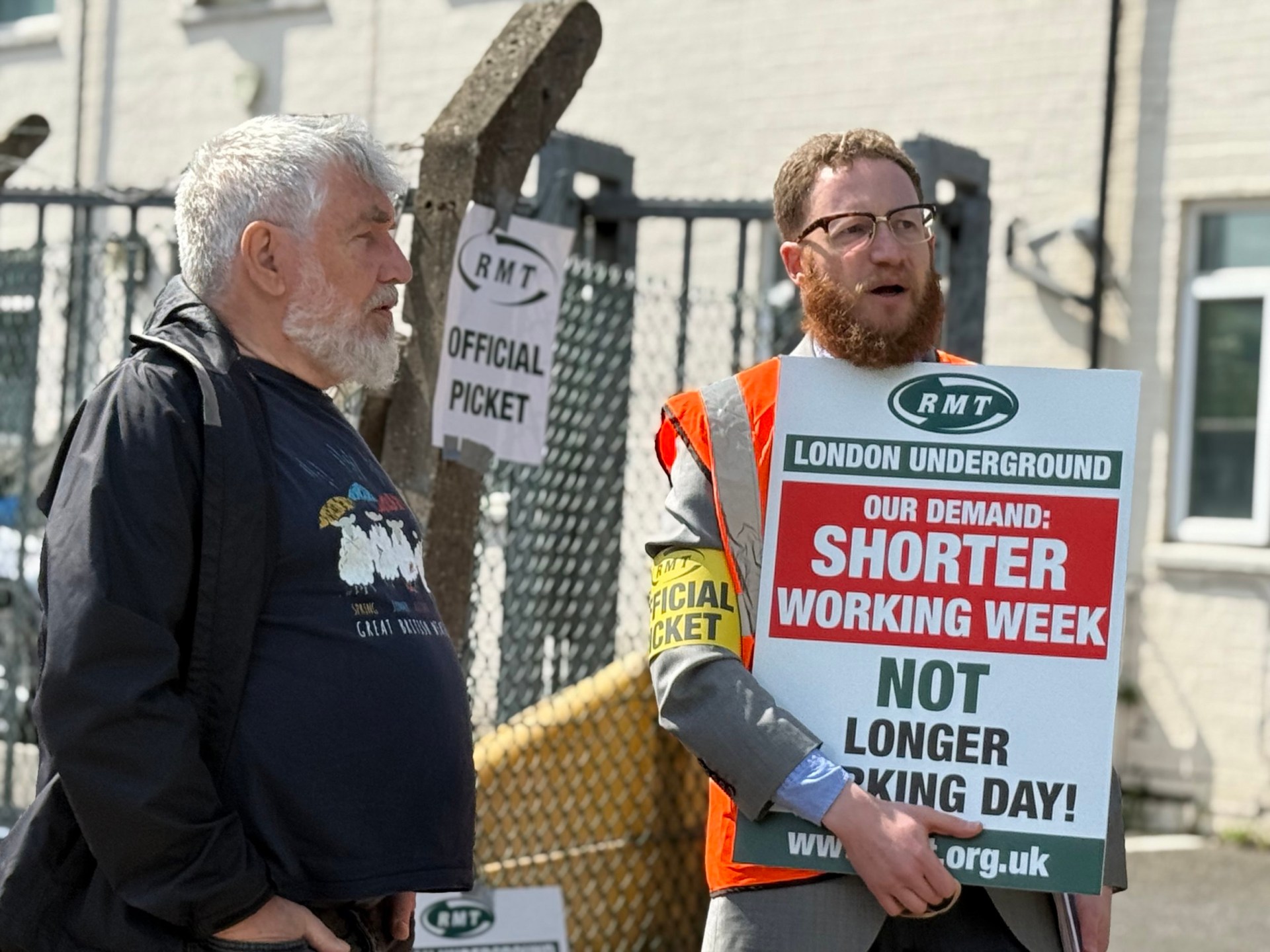
Jared Wood, the RMT’s London lead, has not ruled out further strikes if negotiations do not yield results. When asked about the possibility of additional action, he stated that the decision would rest with RMT representatives and the union’s national executive.
“We will get everyone together and we’ll have a discussion about what the next steps are,” he said. “In the meantime, we would hope to have met the company again to see if there’s any shift in their position.”
However, Wood emphasized that there is currently no indication that TfL is willing to negotiate the terms of their proposal. If the company continues to resist, further action may become inevitable.
The Core of the Dispute
The current strikes are centered around proposed changes to working hours. TfL has introduced a four-day working week, which would allow drivers to work the same number of hours per week but spread over fewer days. The RMT strongly opposes this change, arguing that it could negatively impact drivers’ well-being.
TfL maintains that the arrangement would be voluntary, but the union fears that it would only remain so during a transition period. New hires, they argue, would be required to accept the four-day schedule as the default option.
Wood criticized TfL’s approach, calling it “unreasonable.” He pointed out the challenges drivers face, such as starting work at 3:45 am, driving without a break for five hours, and then having a half-hour break before returning to the road.
“We don’t think that’s sensible or reasonable,” he said. “And we don’t think the public really wants their drivers in that sort of thing.”
He also highlighted the difficulty of planning personal lives when duties are unpredictable. “Is it reasonable to say that you will never know what your duties are until 24 hours before that duty? How is someone supposed to arrange childcare, or do whatever they do in their life?”
What’s Next?
Further discussions are planned for next week, with both parties tentatively agreeing to meet. However, the situation remains tense, with neither side showing signs of backing down.
TfL reported that 60% of Tube drivers turned up for work on the first strike day, but Wood refuted this claim. He noted that major routes like the Piccadilly and Metropolitan lines did not run or ran very infrequently through central London, while other routes experienced severe delays.
“We don’t take any delight in that. We would rather be running the full service and have our members earning their money,” he said.
TfL’s Response
TfL defended its proposals, stating that safety is its top priority. A spokesperson for the authority said that the details discussed by the RMT are extremes that can be resolved if the union commits to working through the specifics of the proposals.
They also pointed out that the RMT did not mention fatigue during recent discussions at ACAS. TfL reiterated its commitment to making the four-day working week voluntary, stating that any suggestion otherwise is misleading the public.
Travel Figures from the First Strike Day
Here are some key figures from the first day of the strike:
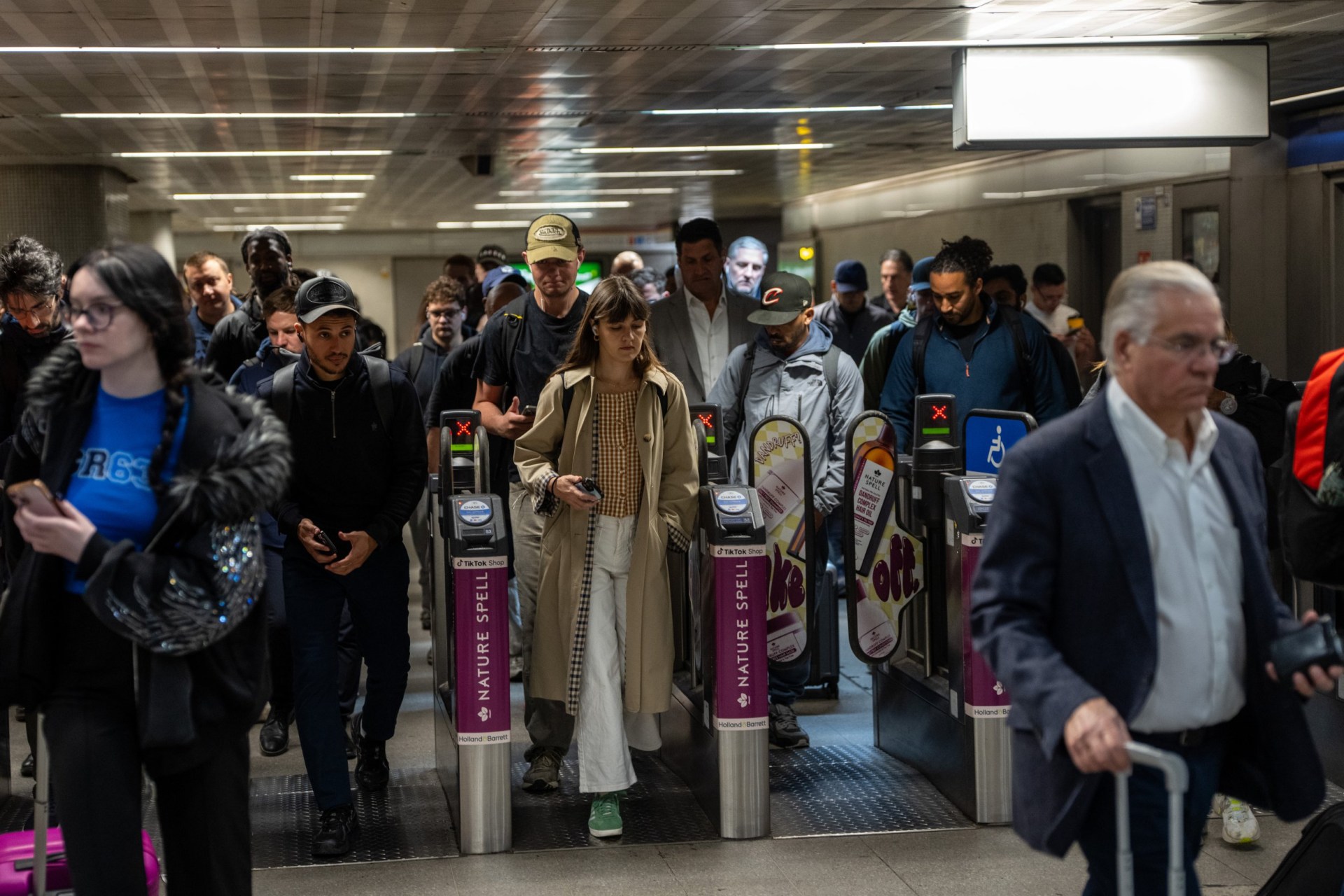
- Around 3.4 million cards were used on the TfL network, which is roughly 90% of the same day last year.
- Bus taps increased by 5% compared to last year on the same day.
- London Underground was down 41%.
- Overground was up 9%.
- Elizabeth line was up 19%.