A Unique Destination in the Atlantic
Some 500 kilometres off the coast of West Africa lies Cabo Verde, an island nation that’s making headlines after qualifying for its first World Cup this summer. This small yet vibrant country is gaining attention not only for its sporting achievements but also for its unique charm and natural beauty.
Geographically, the country’s islands form part of Macaronesia, known as “Islands of Bliss,” alongside Madeira, the Canary Islands, and the Azores. These Atlantic archipelagos are renowned for their similar vegetation and volcanic landscapes, creating a stunning backdrop for any traveler.
As the country prepares to join nine other African nations on football’s biggest stage, it’s also becoming a must-visit destination for those looking to explore new horizons.
Best Time to Visit Cabo Verde
Cabo Verde is a place where the sun shines 350 days a year, with temperatures typically ranging between 21°C and 29°C. The islands have two distinct seasons: “Tempo das brisas,” or time of the winds, from October to mid-July, and “tempo das chuvas,” the rainy season, from August to September.
For travelers looking to avoid the heat, the coolest months are January and February, when temperatures can drop as low as 16°C. Those who prefer warmer weather should consider visiting in September, when temperatures can soar above 36°C.
Choosing the Right Island
The total area of Cabo Verde spreads across 4,033 square kilometres, encompassing 10 major islands, of which nine are inhabited. Each island has its own unique character, shaped by the rich Creole culture.
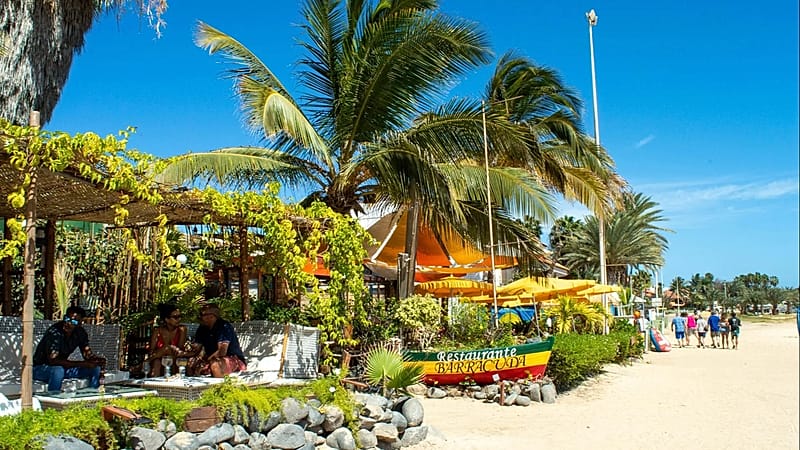
For beach lovers, Sal Island is a paradise with its crystal clear turquoise waters and ivory white sands. Santa Maria Beach is one of the “Seven Wonders of Cabo Verde,” where visitors can spot dolphins, schools of fish, rays, and even moray eels. The beach is also home to dining spots, shops, and various water activities and tours.
Beyond the beaches, Sal Island’s town of Santa Maria offers hiking trails, golf courses, horse riding, ziplining, and visits to attractions like the Botanic Garden Pachamama Eco Park and the House of Culture Museum.
For those seeking cultural experiences, São Vicente stands out with its blend of African, European, Portuguese, and Brazilian influences. The capital, Mindelo, is home to the Centro Cultural do Mindelo, where visitors can experience the soul of Cabo Verde through food, street art, handicrafts, nightlife, and traditional music tours. Tours are available in multiple languages, with options starting at €130 for a six-hour island and culture tour.
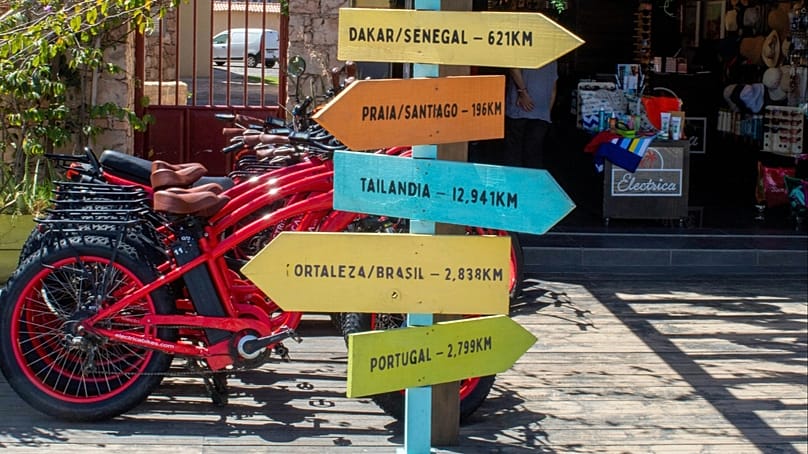
Other islands like Maio offer slower, quieter excursions. The tourism board recommends biking as the best way to explore the island’s beaches, bays, lagoons, and cultural attractions. Many of Maio’s beaches are biosphere reserves and protected habitats where thousands of turtles come to lay their eggs each year. Visitors can watch the turtles under the guidance of a biologist in places like Lagoa, Barreiro, Salinas Porto inglês, and Terras Salgadas.
Other notable islands include Santiago, Fogo, Santo Antão, Brava, Boa Vista, São Nicolau, and Santa Luzia.
Flavors of the Atlantic
From picture-perfect beaches to the dining table, the flavors of Cabo Verde make it a destination that engages all the senses. A dish like “cachupa,” a hearty stew made with a mix of meats such as beef, chicken, tuna, and sausages, is slow-cooked with vegetables including maize, beans, cassava, carrots, cabbage, kale, and pumpkin. It’s no wonder it is locally known as the “feast of the islands.”
Seafood is also a staple, with swordfish, grouper, horse mackerel, mackerel, snapper, and salmon commonly found on menus. Adventurous foodies can try octopus or grilled conch dishes for a more authentic taste of Cabo Verdean cuisine.
Cruise routes calling at the islands’ São Vicente and Santiago ports open up wider itineraries, linking Cabo Verde with other African destinations like Senegal and The Gambia. Cruise lines such as Royal Caribbean, MSC Cruises, Costa Cruises, and Princess offer tours that include Cabo Verde.
Where to Stay
Jake Cardigan, a travel specialist at Archipelago Choice, compiled a list of top five stays in Cabo Verde.
First on the list is Terra Lodge on the island of São Vicente. Guests can choose between standard rooms and suites, starting at €85 per night. While there are no television sets, the stay offers stunning views of the Mindelo bay. Cardigan described the hotel as an “oasis of calm” among the bustling streets of a cosmopolitan city, where guests can relax in hammocks and enjoy the scenery.
In Boa Vista, Orquidea Guesthouse is recommended for travelers seeking a tranquil and relaxing beach-based holiday. Just a stone’s throw away from the island’s main town, Sal Rei, and 50 metres from Estoril Beach, guests have easy access to both coastal and local life. Cardigan also mentioned that the stay begins with a tasty Cabo Verdean breakfast, followed by a coffee and a chat with the resident parrots, who are “full of useful advice about where to eat.”
Other hotel recommendations include Casa Cavoquinho in Santo Antão, Casa Marisa in Fogo, and The Barcelo Praia in Santiago.
Getting There
Cabo Verde’s islands are accessible via four international airports:
- Amílcar Cabral International Airport, Sal Island
- Nelson Mandela International Airport, Santiago Island
- Aristides Pereira International Airport, Boa Vista Island
- Cesária Évora International Airport, São Vicente Island
A non-stop, round-trip easyJet flight from Lisbon to Boa Vista takes around four hours and 20 minutes, with fares starting at €136 in September. Direct flights are also available from other European cities such as London, Manchester, Brussels, and Porto with easyJet and TAP Air Portugal.
In total, the country has seven airports, with the other three being domestic hubs offering inter-island flights with local carrier Cabo Verde Airlines.