A New Chapter for the Kennedy Center
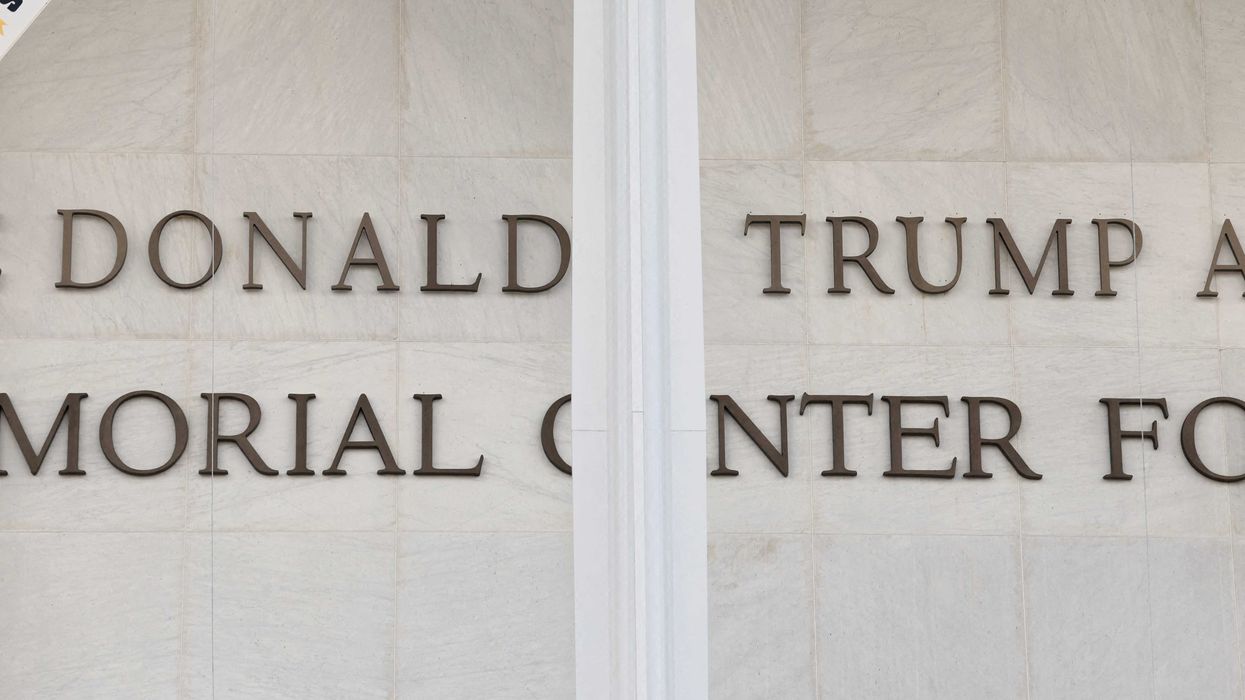
A recent federal judge’s decision to remove President Donald Trump’s name from the Kennedy Center has sparked a mix of relief and concern among arts advocates. The ruling, issued by U.S. District Judge Christopher Cooper, mandated that Trump’s name be taken off the building within two weeks and halted a planned two-year closure for renovations. While this move was celebrated as a victory for those who support the arts, it may also mark the beginning of a challenging period for the iconic performing arts venue.
A Victory with Uncertain Outcomes
The decision came after a long-standing dispute over Trump’s association with the Kennedy Center. Arts advocates were elated at the news, seeing it as a step towards preserving the center’s legacy. However, the future of the institution remains uncertain. Trump, who had previously shown strong support for the center, responded by threatening to abandon it entirely. In a post on Truth Social, he expressed his frustration, stating that he would not continue supporting an institution that he felt was not being managed properly. He also demanded that the judge be criminally charged, further escalating the tension surrounding the issue.
Eleanor Clift, a political analyst for The Beast, commented on Trump’s actions, noting that they are typical of his approach to conflict. She wrote, “Like so much of what is happening in Washington, the future of the Kennedy Center is in the hands of a man who cares little about the arts and a lot about himself and how he’s perceived.” This sentiment highlights the broader implications of Trump’s involvement with the center and raises questions about its long-term stability.
Leadership Changes and Financial Challenges
Following his return to the White House, Trump made significant changes to the leadership of the Kennedy Center. He replaced longtime philanthropist David Rubenstein, who had been instrumental in fundraising for the center, with loyalists. This shift left a substantial funding gap that Trump failed to fill. Despite the allocation of $257 million for renovations through the Big Beautiful Bill, analysts argue that this amount is insufficient to meet the center’s needs.
The financial challenges have been compounded by the cultural damage caused by 18 months of turmoil. Many artists canceled their performances, and audiences stayed away, leading to a decline in revenue. Additionally, the management team installed by the White House dismissed experienced staff, further impacting the center’s operations.
Legal and Cultural Repercussions
The Kennedy Center’s spokeswoman has stated that the board plans to appeal Cooper’s ruling. This move underscores the ongoing legal battle surrounding the center’s future. Meanwhile, the cultural impact of the chaos has been significant. The center, once a beacon of artistic excellence, now faces the daunting task of rebuilding its reputation and restoring public confidence.
Public Reaction and Media Coverage
The situation has drawn considerable media attention, with outlets covering the controversy extensively. Stories highlighting Trump’s reaction to the ruling have circulated widely, showcasing the public’s mixed feelings about the president’s involvement with the arts. Some reports have focused on the humorous aspects of the situation, with headlines mocking Trump’s response to the court’s decision.
As the Kennedy Center navigates these challenges, the question remains: will it emerge stronger from this period of uncertainty, or will it continue to struggle under the weight of political turmoil? Only time will tell, but one thing is clear—the future of this iconic institution is now more precarious than ever.