The Hidden Risks of Quetiapine for Sleep
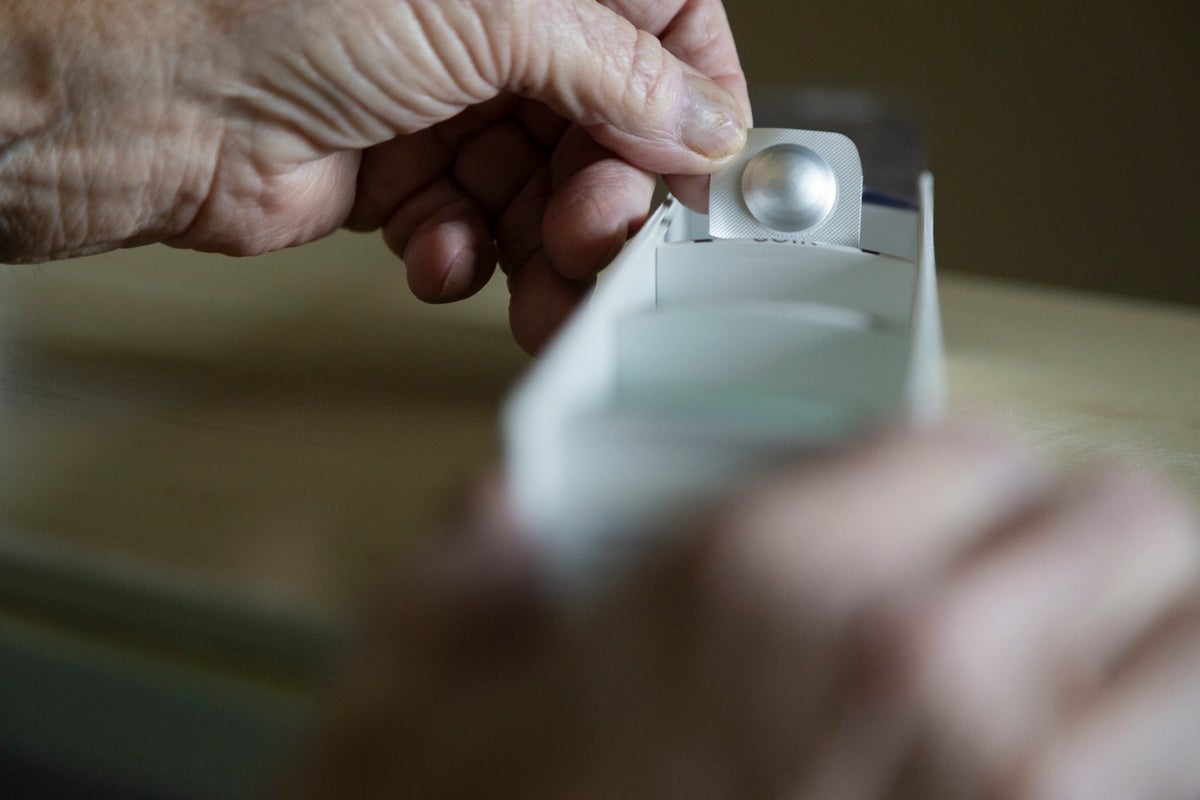
A commonly prescribed sleeping pill, quetiapine, could act for longer than intended and impair alertness and driving performance the following day, scientists have warned in a new study. This medication, often used off-label for sleep issues, has raised concerns due to its potential side effects.
There has been growing concern in recent times about the widespread off-label use of sedative medications for sleep problems like insomnia. Studies have shown that taking such pills, often not initially intended for sleep issues, could lead to next-day cognitive impairment, dependency, and worsened breathing.
Now, a world-first clinical trial has examined how low-dose quetiapine, commonly prescribed for people struggling to get to sleep, affects rest, breathing, and next-day performance. Researchers from Flinders University in Australia found that low-dose quetiapine modestly improved sleep quality and reduced obstructive sleep apnea (OSA) severity. However, it can significantly impair alertness and driving performance the following day, according to the new study published in the Annals of the American Thoracic Society.
“Next morning vigilance and driving simulator performance were significantly impaired with quetiapine,” scientists wrote in the study.
Quetiapine is approved for schizophrenia and bipolar disorder, but is increasingly prescribed at low doses for insomnia and anxiety because of its sedative effects. “There’s a growing belief that low-dose quetiapine is a relatively harmless way to help people sleep… Our results show it’s not that simple,” said Cricket Fauska, lead author of the study from Flinders University.
“Although participants slept longer and woke less overnight, their reaction times were slower, and their simulated driving performance was noticeably worse the next morning,” Dr Fauska said.
While it is generally believed that a better night’s sleep leads to better daytime functioning, the new findings suggest that this may not hold true when quetiapine is used.
In the clinical trial, researchers assessed sleep apnea patients, who struggle to stay asleep. Fifteen adults spent two nights in a sleep laboratory – one night after taking 50 milligrams of quetiapine and one after taking a placebo. Participants were monitored overnight and again the following morning. They also completed a driving simulator task and a vigilance test to objectively measure alertness.
Quetiapine appeared to reduce the number of breathing interruptions during sleep and improve sleep efficiency compared to the placebo. But it also led to slower reaction times in patients, more lapses in attention, and poorer steering control during the driving simulation task, which are all markers strongly linked to real-world crash risk.
“What was particularly concerning is that some people didn’t feel especially sleepy the next day, despite performing worse on objective tests,” Dr Fauska said. “That mismatch between how people feel and how they actually function poses a serious safety risk, especially when it comes to driving,” she said.
Scientists are calling for a shift in how sleep disorders such as sleep apnoea are managed in patients. Instead of relying on one-size-fits-all solutions, there is growing evidence that targeting the underlying causes of sleep disruption can improve both treatment effectiveness and patient outcomes, they say.
“What we’re learning is that treatment needs to be tailored – using the right approach, or combination of approaches, for the individual rather than defaulting to sedating medications,” said Flinders University sleep health professor Danny Ecker.
Key Findings from the Study
- Improved Sleep Quality: Low-dose quetiapine was found to modestly enhance sleep quality and reduce the severity of obstructive sleep apnea.
- Impaired Alertness: Despite better sleep, participants showed significant impairment in alertness and driving performance the next day.
- Driving Simulator Results: The study revealed slower reaction times, more lapses in attention, and poorer steering control during driving simulations.
- Safety Concerns: The discrepancy between perceived alertness and actual performance highlights a serious safety risk, especially for drivers.
- Need for Tailored Treatment: Experts recommend moving away from generic treatments and focusing on personalized approaches to address the root causes of sleep disturbances.
The findings underscore the importance of reevaluating the use of sedative medications for sleep issues and considering alternative, more targeted treatments. As the medical community continues to explore these options, the goal remains to ensure patient safety while improving overall sleep health.