A New Passion for Nature
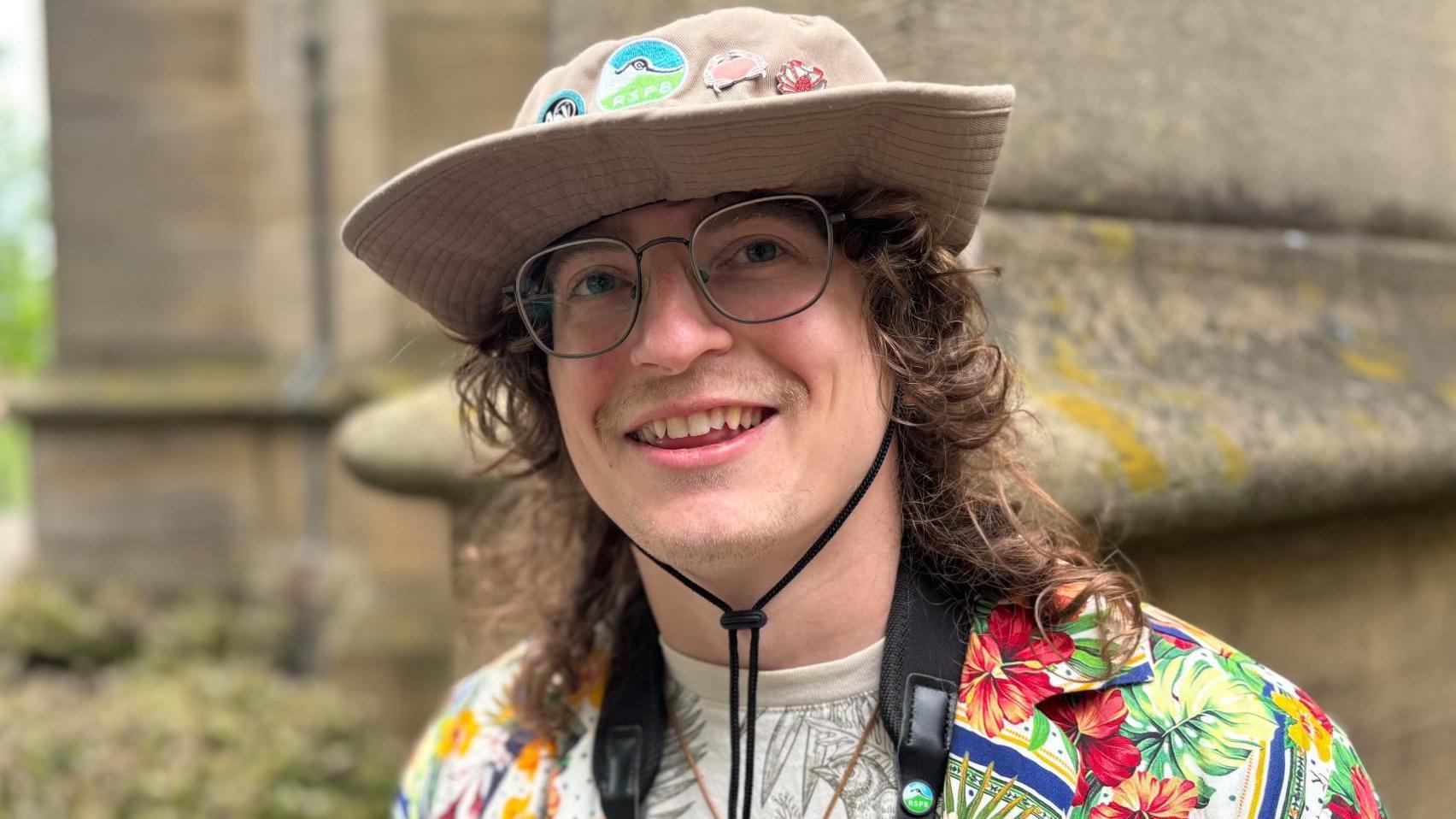
Edward Bartlett, a 28-year-old zoology student at the University of Sheffield, once found himself immersed in a world of video games. During the most challenging times, he spent up to twenty hours a day playing, often only pausing to eat and sleep. “I was addicted to video games,” he shared. “I lived with friends, but for two years I never really saw them in real life. We talked through a gaming microphone.”
Bartlett’s life took a significant turn when he swapped his gaming headset for a pair of binoculars, embracing a new passion: birdwatching. This shift came after years of struggling with mental health issues, including depression. Initially, gaming provided an escape from his studies, but it eventually consumed his life. “When you’re playing games you’re not thinking about reality and how things might be going in real life, so that’s what sucked me in,” he explained.
He described how his days were filled with constant gaming, starting as soon as he woke up and continuing until exhaustion set in. “I didn’t even realize I was addicted, but the moment the screen went away, there’s this rush, sort of, feelings like, I really wish I’d get back to that game and then I’d think about things that I needed to do, like uni work and it would feel so overwhelming, like a crushing weight.”
Despite the challenges, Bartlett found some relief through anti-depressants and counselling, which helped during particularly difficult periods of anxiety and depression. However, it was a chance experience on a recent holiday to Wales that marked a turning point. “I ended up in hospital and had an enforced period off the screens and then, on this holiday, I started to notice things around me and suddenly I was surrounded by nature,” he said. “It really sort of opened my eyes to how peaceful and different things can be.”
Inspired by this experience, Bartlett decided to join the university’s bird watching society. Initially, he felt too shy to attend, but eventually, he mustered the courage and had a wonderful conversation with a member about peregrines at the university.
Bartlett is not alone in his newfound interest. According to the RSPB, almost three-quarters of a million Gen Z-ers now regularly enjoy birdwatching, making it the second fastest growing hobby behind jewellery making. This trend is evident at the University of Sheffield, where membership in the bird watching society has grown from 10 casual members in 2025 to over 50 this year.
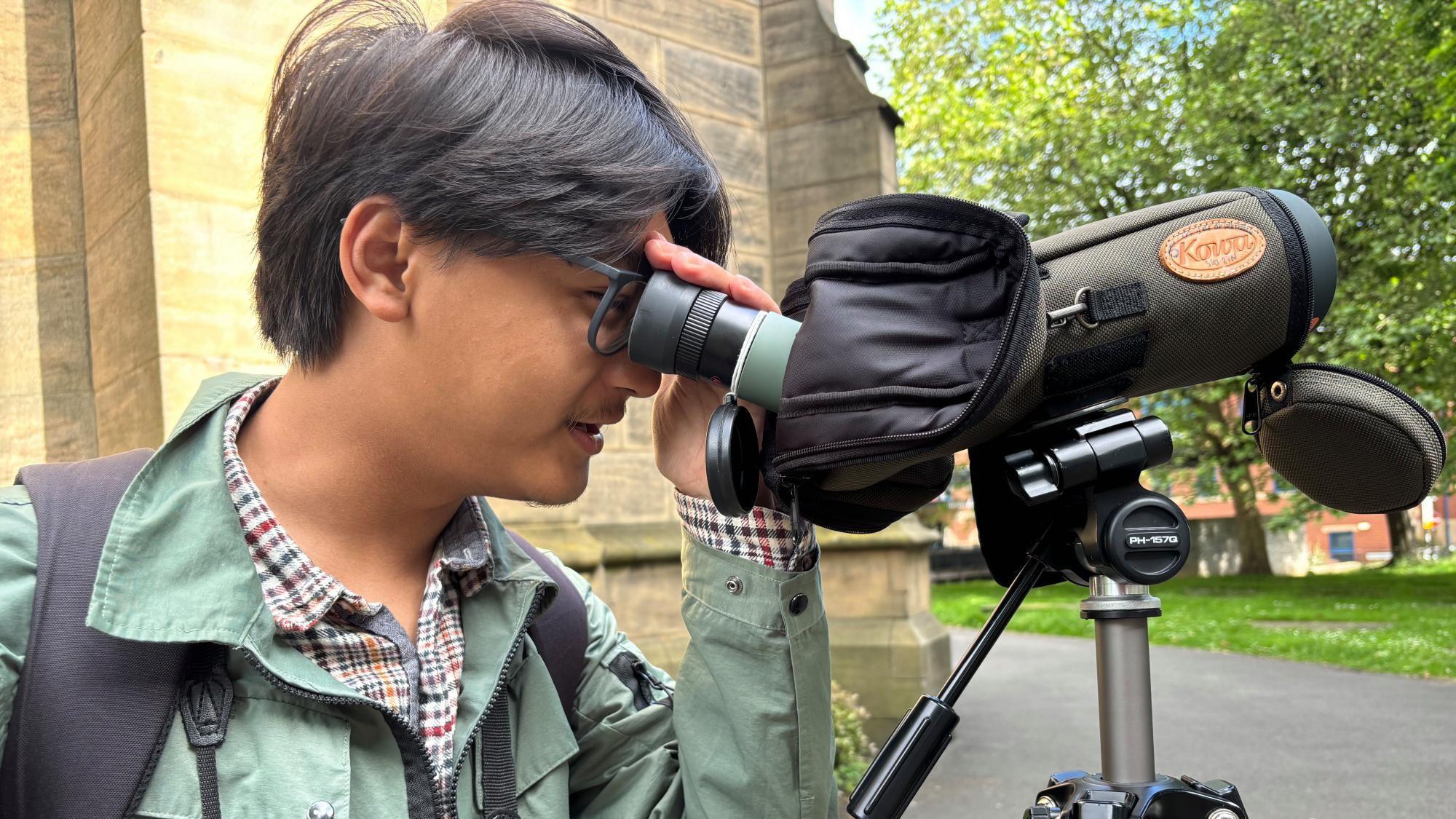
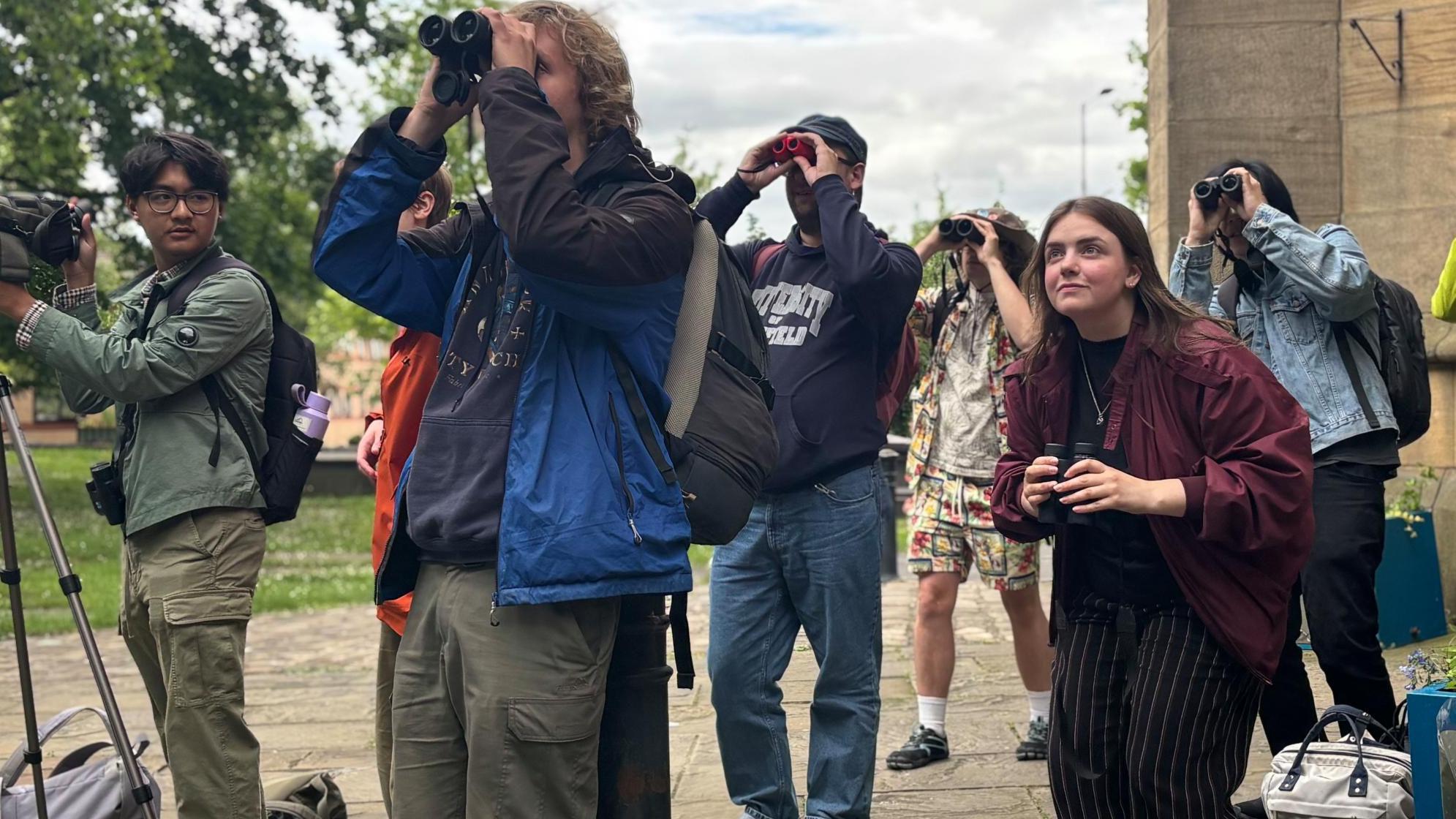
On Fridays, many members can be found excitedly gazing up at the top of St George’s Church in Sheffield, home to breeding peregrine falcons. Freya Dunbar-Sims, 19, the inclusion officer for the society, believes the increase in membership is due to the fast-paced world we live in. “I think in such a fast-paced world at the moment, everyone is just looking for ways to slow down and kind of look for more analogue hobbies and off their screens,” she said. “I think it’s addictive. Once you get into it, you can’t stop looking.”
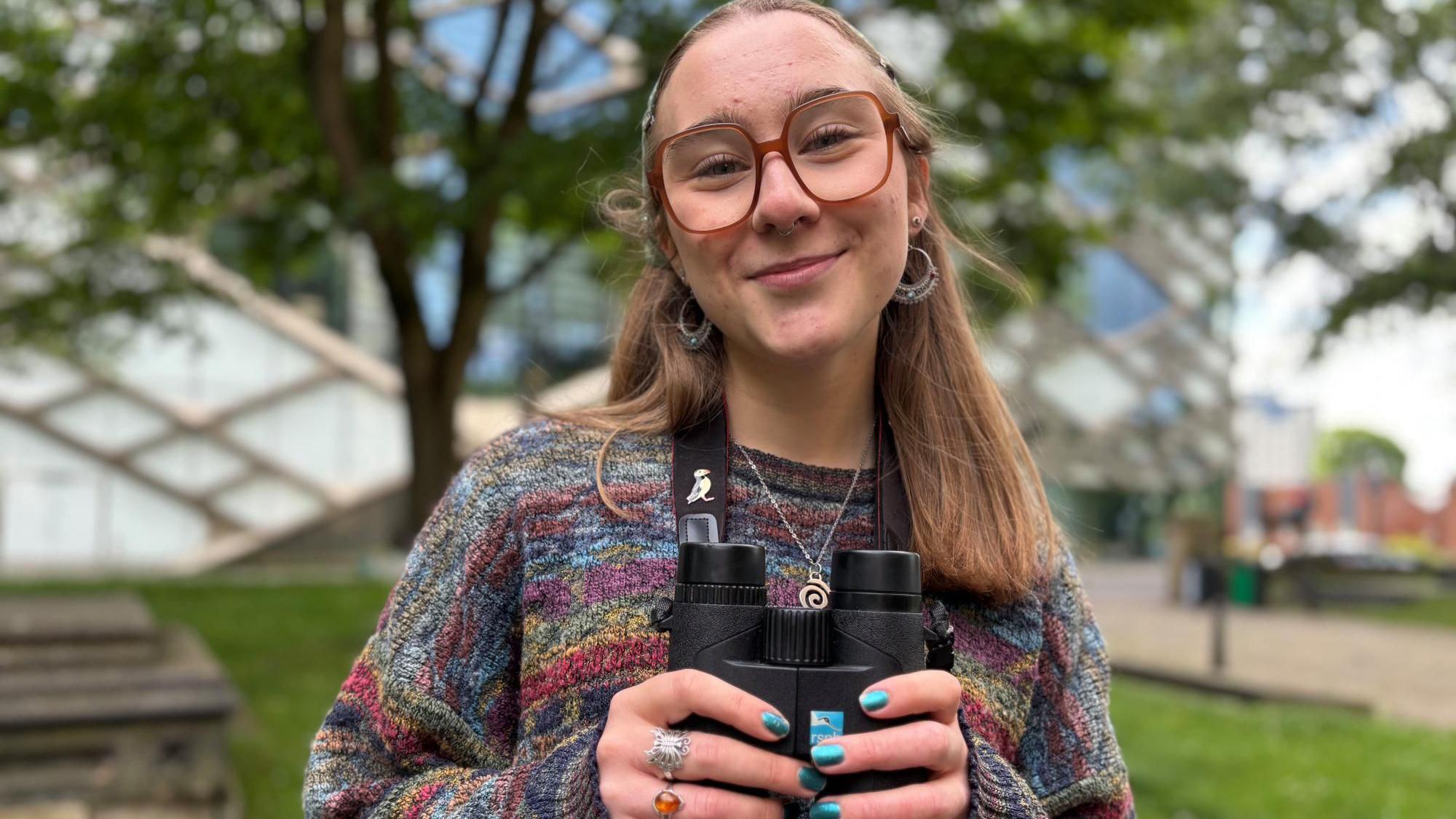
Aspen Fenzl, originally from Minnesota, discovered birdwatching during the pandemic. “I was back home in the States, so I kind of got into it just sitting at home, looking out the window, and then you start to appreciate the different personalities of the birds and the way that they interact with each other and the way you see them around, it’s like seeing a friend almost.” As an artist, she also enjoys drawing the birds she spots in the wild, finding the experience of seeing a rare bird akin to “seeing a celebrity.”
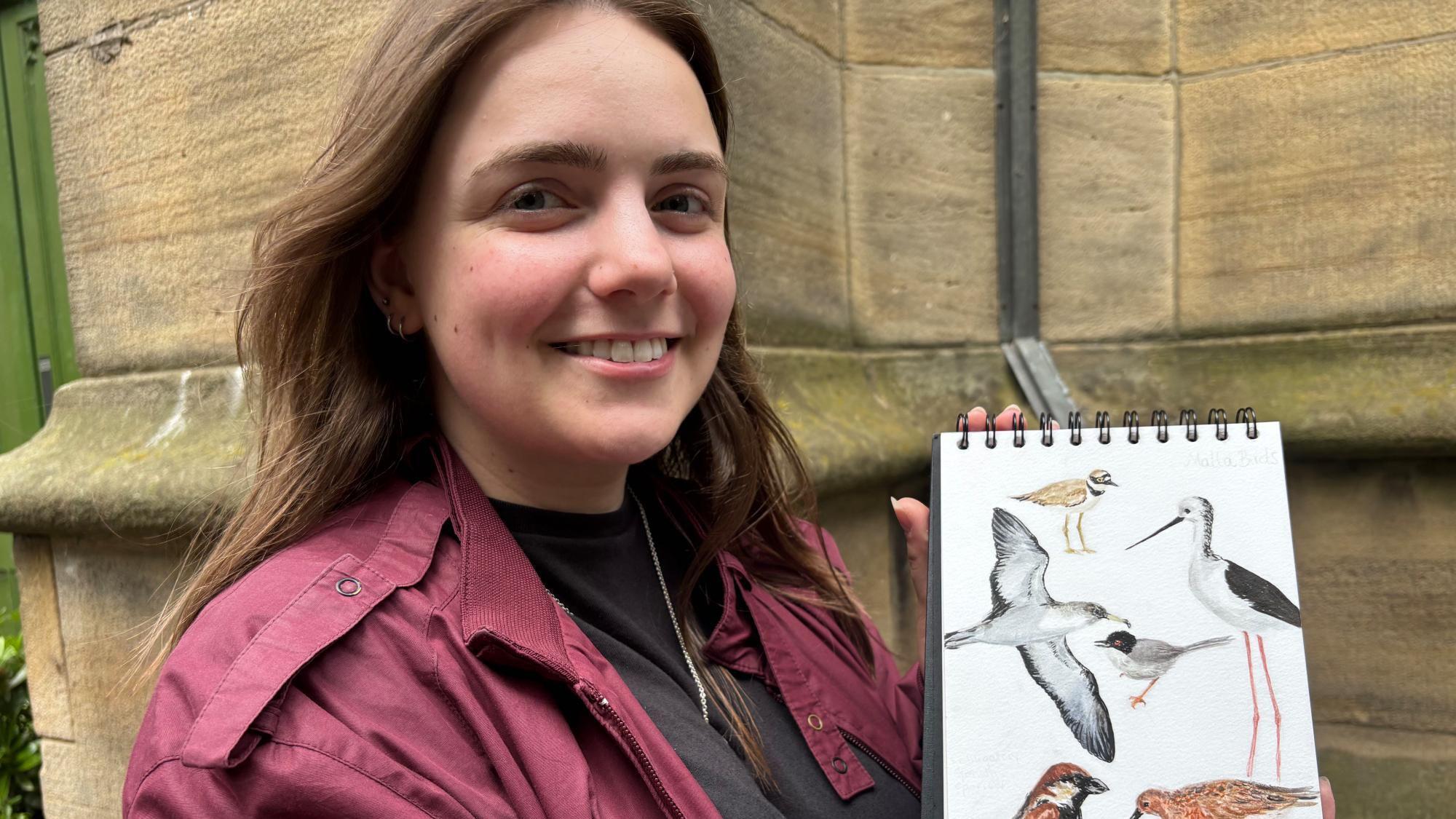
Emma Tuckey from RSPB Old Moor, in Barnsley, noted a 50% increase in Gen-Z visitors. “The fact that we’re seeing this increase of 16-to-24-year-olds is just brilliant. It gives us a lot of hope for the future of nature conservation and preservation,” she said. “It was definitely seen as old and fuddy-duddy and you’ve got to have the kit, you’ve got to have the knowledge and if you got a bird wrong, you were judged, but I think it’s just changing and since Covid people are just really valuing nature more.”
After six years of delays, Bartlett is now finishing the third and final year of his zoology course. While he still plays computer games, it’s now at a much more manageable level. “Getting out into nature and birdwatching is insulating against problems I had,” he said. “Because, now if I’ve got free time I might think ‘oh I could log on to that game’ and then I think ‘well yeah but I could also go outside’ and I know that I’ll feel really good afterwards.”