The upcoming FIFA World Cup is facing significant criticism, with accusations of corporate greed overshadowing the excitement of the global sporting event. Ticket prices have reached record highs, prompting investigations by authorities in two US states and sparking outrage among fans worldwide.
Soaring Ticket Prices Taint the Tournament
The cost of attending this year’s World Cup matches has become a major talking point, with top-tier tickets for the final reportedly fetching prices equivalent to nearly $16,000. This represents a staggering increase of almost 600 per cent compared to the 2022 World Cup final held in Qatar.
Miguel Poiares Maduro, a former chair of FIFA’s governance committee, expressed his disappointment, stating that the sport is increasingly becoming an “elite sport.” He argued that without independent oversight, FIFA is inevitably driven by the pursuit of greater financial gain.
Mr. Maduro, who was brought into FIFA in 2016 to spearhead reforms following a series of damaging corruption scandals, found his efforts to implement transparency and compliance clashed with the organisation’s prevailing culture. He left his role less than a year into his tenure, citing fundamental disagreements.
He believes the exorbitant ticket prices are a direct result of a “systemic conflict of interest” within FIFA, where the organisation acts as both the regulator and the primary commercial entity.
- FIFA’s Dual Role:
- As a regulator, FIFA’s responsibility should be to ensure the entire football ecosystem benefits from the revenues generated. This includes maximising fan access to matches.
- However, as a commercial actor, FIFA’s primary objective is to maximise its income, leading to the commercial dimension taking precedence over fan accessibility.
This year’s World Cup is the first to employ a dynamic pricing model, where ticket costs fluctuate based on real-time demand. This approach has unfortunately led to widespread backlash from fans facing significant price hikes.
While FIFA has yet to formally comment on the recent criticisms, President Gianni Infantino has previously defended the ticket pricing, attributing it to high public demand and describing North America as a “special market” where consumers are accustomed to paying premium prices for entertainment.
Official Investigations Underway
Despite FIFA’s defence, the soaring ticket prices have attracted the attention of the state attorneys-general in New York and New Jersey. Both states have launched investigations into the matter.
Beyond pricing, these investigations are also examining complaints that FIFA has altered stadium seating arrangements after tickets were sold. This has resulted in some ticket holders being moved to less desirable seats for various matches.
Mexico: A World Cup Dream Out of Reach for Many
The tournament kicks off in Mexico City early Friday morning (AEST), marking a historic occasion as Mexico becomes the first nation to host three World Cups. However, for the majority of Mexicans, the dream of witnessing this historic event firsthand is financially unattainable.
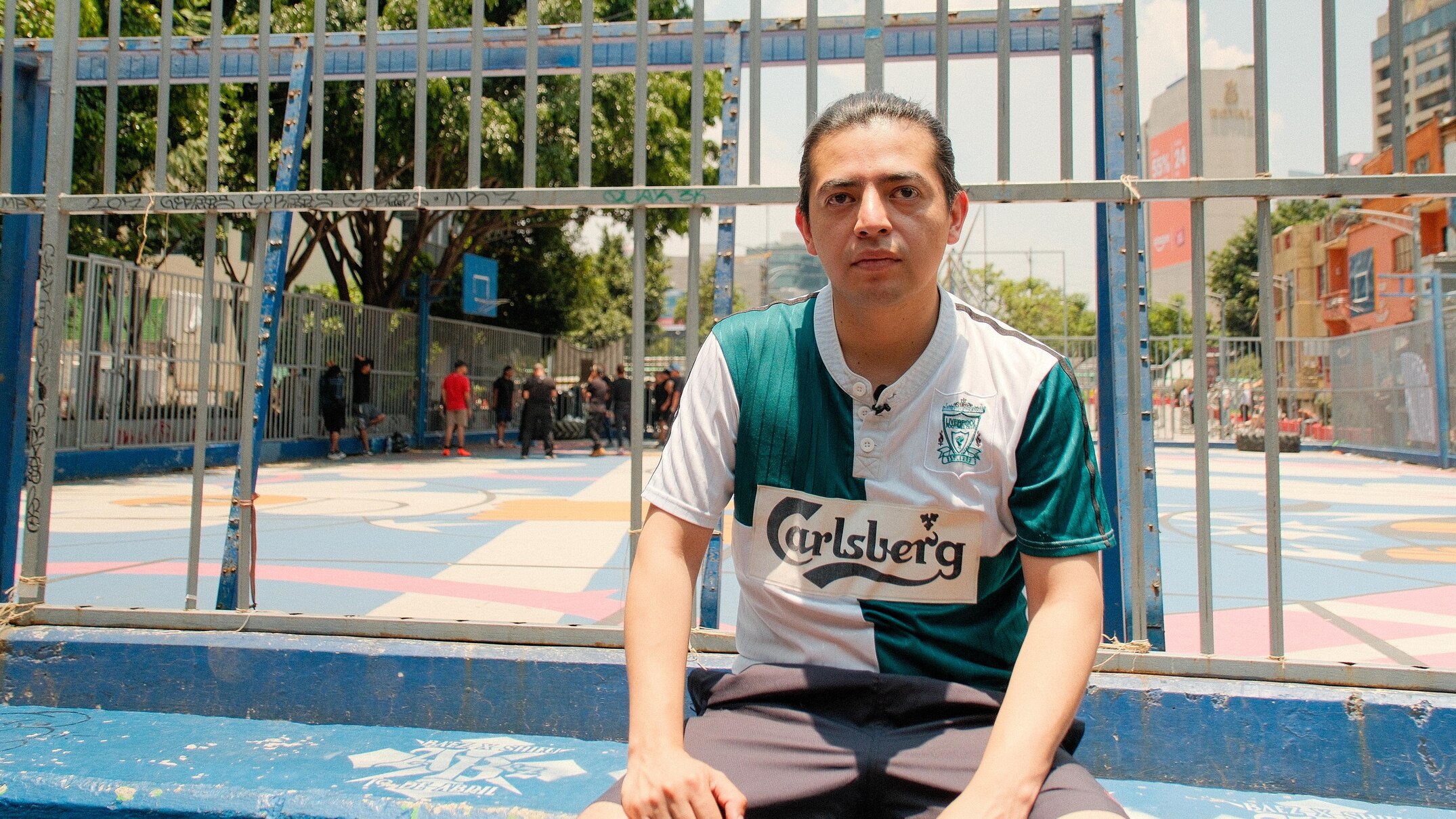
Miguel Medina, a resident of Mexico City, lamented the situation, stating, “No one can afford those prices. Just the rich people.” Mr. Medina, whose father played professional soccer in Mexico’s second division, has been a lifelong fan.
Resale tickets in Mexico have been seen selling for prices as high as $4,000, a stark contrast to the initial release prices of $530 to $2,600. While a limited number of tickets were initially made available for around $100, distributed by the Mexican Football Federation, even these are beyond the reach of many.
Mr. Medina also highlighted the issue of internet accessibility, noting that many Mexicans lack reliable internet access, further complicating their ability to purchase tickets. He expressed his disappointment, saying, “It’s sad because you realise how football is only like a business and it’s not about the passion of the sport.”
The Ripple Effect: Beyond Ticket Prices
The high ticket costs are not the only financial hurdle fans face. FIFA has also embraced the resale market, launching its own platform that levies an additional 15 per cent fee on both buyers and sellers. Mr. Maduro pointed out that FIFA benefits financially from these inflated resale prices through its commission.
The cost of attending the World Cup extends beyond match tickets, with significant increases in other associated expenses:
- Airfares: Flight costs have surged, partly due to the ongoing geopolitical situation impacting jet fuel supplies.
- Ground Transportation: Train fares and parking costs have also seen substantial increases. A return train journey from New York City’s Penn Station to the New York New Jersey Stadium is now priced at $140, nearly eight times the regular fare for the short 15-minute journey.
- Accommodation: Hotels across the 16 host cities have significantly inflated their prices.
Ironically, the anticipated tourism boom has not fully materialised as promised. A report by the American Hotel & Lodging Association (AHLA) indicated that 80 per cent of hotels are experiencing booking rates below initial forecasts. The AHLA suggested that FIFA’s advance booking and subsequent mass cancellations of thousands of hotel rooms created an “artificial early demand signal.”
Glimmers of Hope and Local Benefits
Despite the widespread affordability issues, there are some initiatives aimed at making the experience more accessible. Fans who secured tickets through their national football federations via lotteries, costing around $100, will have a relatively affordable experience.
Some host cities are also stepping in to assist residents. In New York, Mayor Zohran Mamdani announced that the city had secured 1,000 tickets for residents, priced at approximately $70, which he humorously compared to the cost of “five lattes in New York City.”
For many, the World Cup still represents an opportunity and a source of excitement. Alexis Gonzalez, a street vendor in Mexico City, is hopeful that the influx of tourists will boost the local economy through their patronage of food and cultural attractions.
Local resident Karen Baltazar echoed this sentiment, noting improvements in her neighbourhood due to the tournament, including better public lighting, renovated sidewalks, and enhanced public services.