Honda’s Next-Generation Pilot Hybrid Set-Up
Honda has announced that it is developing an advanced hybrid set-up for its next-generation Pilot full-sized SUV, to give the Japanese brand a more-effective rival against the Toyota Kluger, Kia Sorento, Hyundai Palisade and others. And after nearly a quarter of a century of being a largely North America-only model, it may even come to Australia. Why? To be built upon a new electrification-ready large-vehicle architecture set to debut sometime in 2028, this might be the first Pilot in four iterations since 2002 that is not solely manufactured in left-hand drive (LHD).
Honda’s Shift Towards Hybrid Technology
The brand’s decision to focus on hybrid technology marks a significant shift from its previous electric vehicle (EV) plans. This move is aimed at addressing market demands and improving efficiency. For instance, the Honda Ridgeline ute is set to go hybrid in the US from 2028 to rival models like the 2026 BYD Shark 6, Ford Ranger and Toyota Hilux as the company steps away from electric vehicle plans.
Additionally, Honda has canceled its electric car plans to focus on hybrids from 2027, potentially joining the 2027 Honda CR-V and ZR-V in Australia. The brand is also following Toyota’s lead by shifting its line-up to hybrid only from next year, reigniting the battle between the 2026 Toyota RAV4 and Honda CR-V.
Potential Expansion to Australia
While Honda Australia President and CEO Jay Joseph did not confirm any future product, he revealed that things are changing within the company as it seeks out greater efficiencies globally, which may open the door to vehicles previously unavailable in Australia. “The right hand drive requirement is a little bit of a challenge for some of the North American product that we have, which was always intended of LHD,” he told CarsGuide. “But we’re becoming more capable, and more adept, at being flexible on that. So that option is opening up.”
This suggests that one of the biggest obstacles Honda has faced in Australia may soon be reduced, if not eradicated. However, it is not a confirmation that the Pilot or any other US-made LHD-only will definitely come to Australia.
Importance of the New Full-Sized SUV
The brand’s next full-sized, three-row SUV is significant as it addresses the current Pilot’s biggest issue – the lack of a hybrid alternative to the powerful but thirsty 3.5-litre V6 petrol unit, which has hurt sales and given rivals a free kick in one of the world’s largest markets.
In its place will be a V6 petrol/hybrid powertrain, reportedly of 3.0 litres in capacity, acting partly as a generator for the plug-less range-extender electric vehicle tech, charging a sizeable battery that powers electric motors via a hybrid transmission, as well as clutching in direct drive to all four wheels as required.
Improvements and Efficiency Gains
Along with dramatic fuel-economy gains, significant weight savings (upwards of 100kg) have also been earmarked for the platform. Additionally, Honda said that it is adopting some Chinese and Indian-market practices and methodologies to make its centrepiece hybrid tech price competitive, ushering in a far-more efficient model development process it refers to as “Triple Half: 50% Reduction”.
In a nutshell, compared to 2025 levels, each successive Honda should cost half the amount of money to develop, and build, and in half the amount of time (hence the triple reference), slashing costs and boosting global accessibility along the way.
Broader Implications for Honda’s Product Line
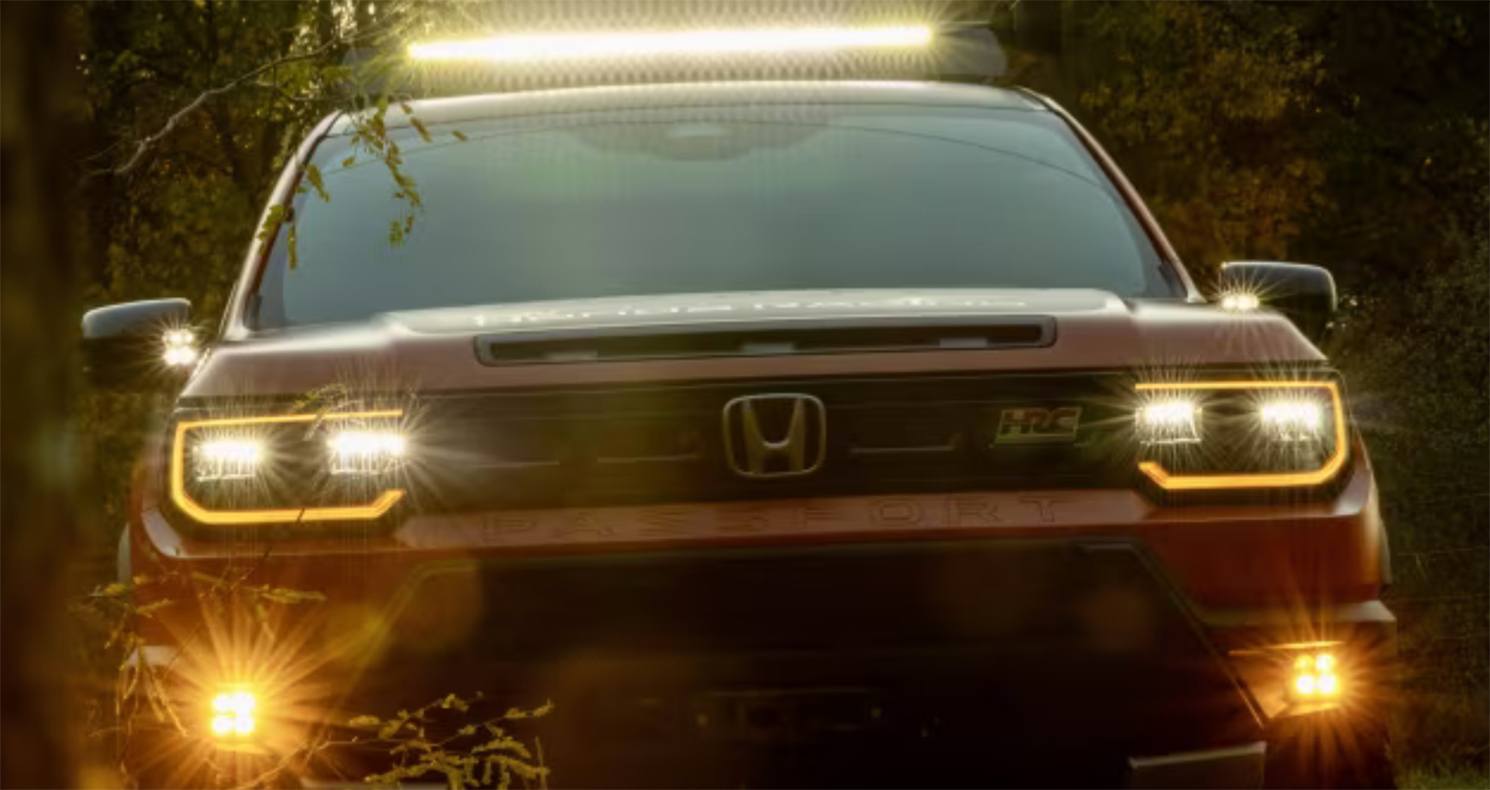
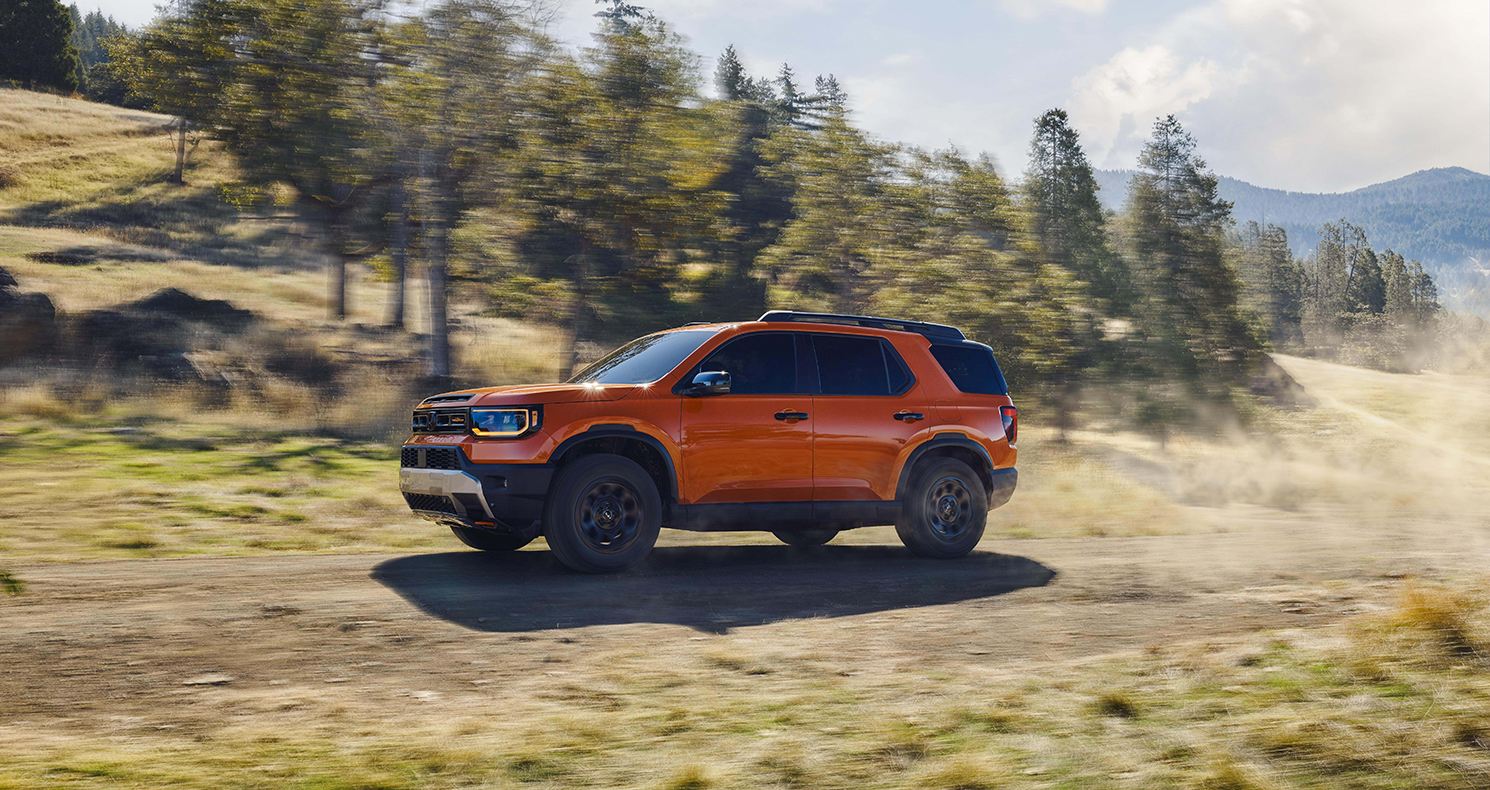
The new hybrid powertrain and architecture is also slated for the next Passport (a related but smaller five-seater SUV with some off-road capability), the long-overdue North American-market Odyssey redesign (the current minivan is already eight-years old), and – as reported in CarsGuide recently – the next-gen Ridgeline monocoque-bodied dual-cab ute.
Expect to also see it feature in a future Accord (as strongly hinted by the Honda Hybrid Sedan Prototype revealed last month), along with a host of corresponding Acura luxury-brand SUVs.
Future Models and Market Strategy
While Honda’s American luxury brand that pre-dates Lexus is unlikely to arrive in Australia any time soon, having access to a BYD Shark 6 PHEV ute or Hyundai Santa Fe hybrid SUV rival to fill in some big gaps in the local portfolio would be desirable.
With 15 new models promised globally between now and 2031 (which do include Acura), the Honda Australia boss indicated that the future range will largely mirror what North America and Asian markets offer. “In general, the North American focus products are well suited to Australia,” Joseph revealed. “The Asia market products are well suited to Australia (too).”
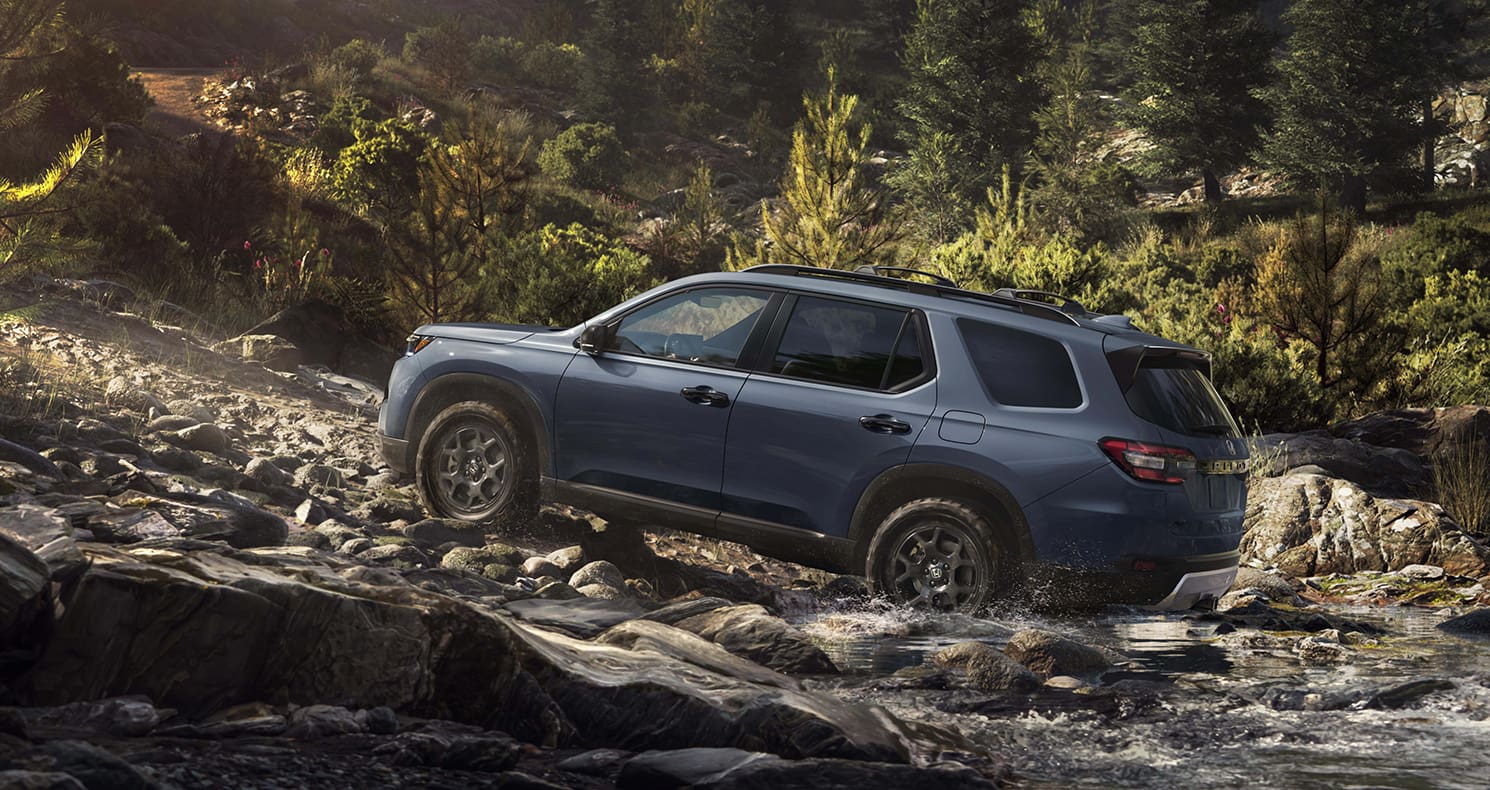
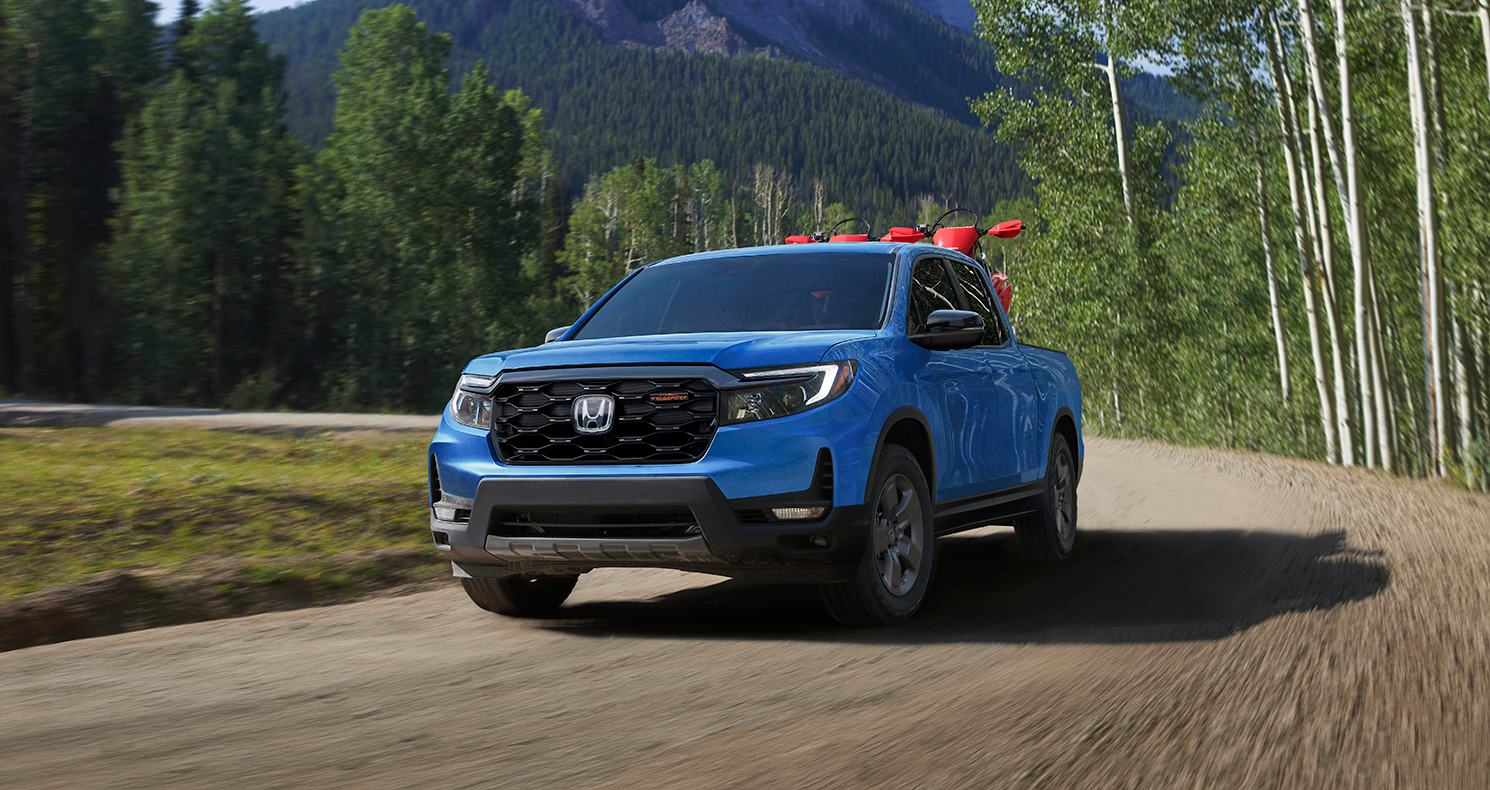
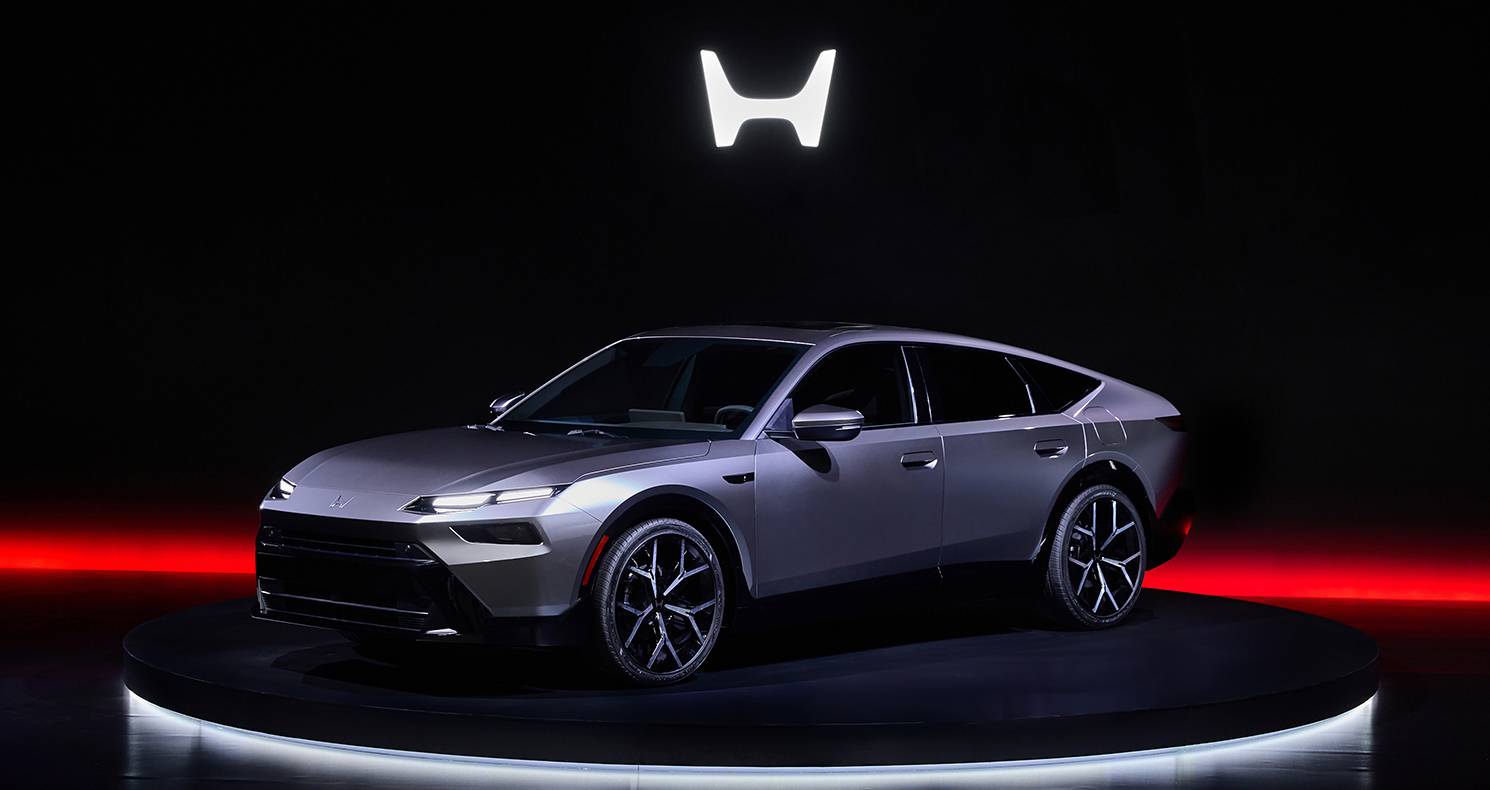
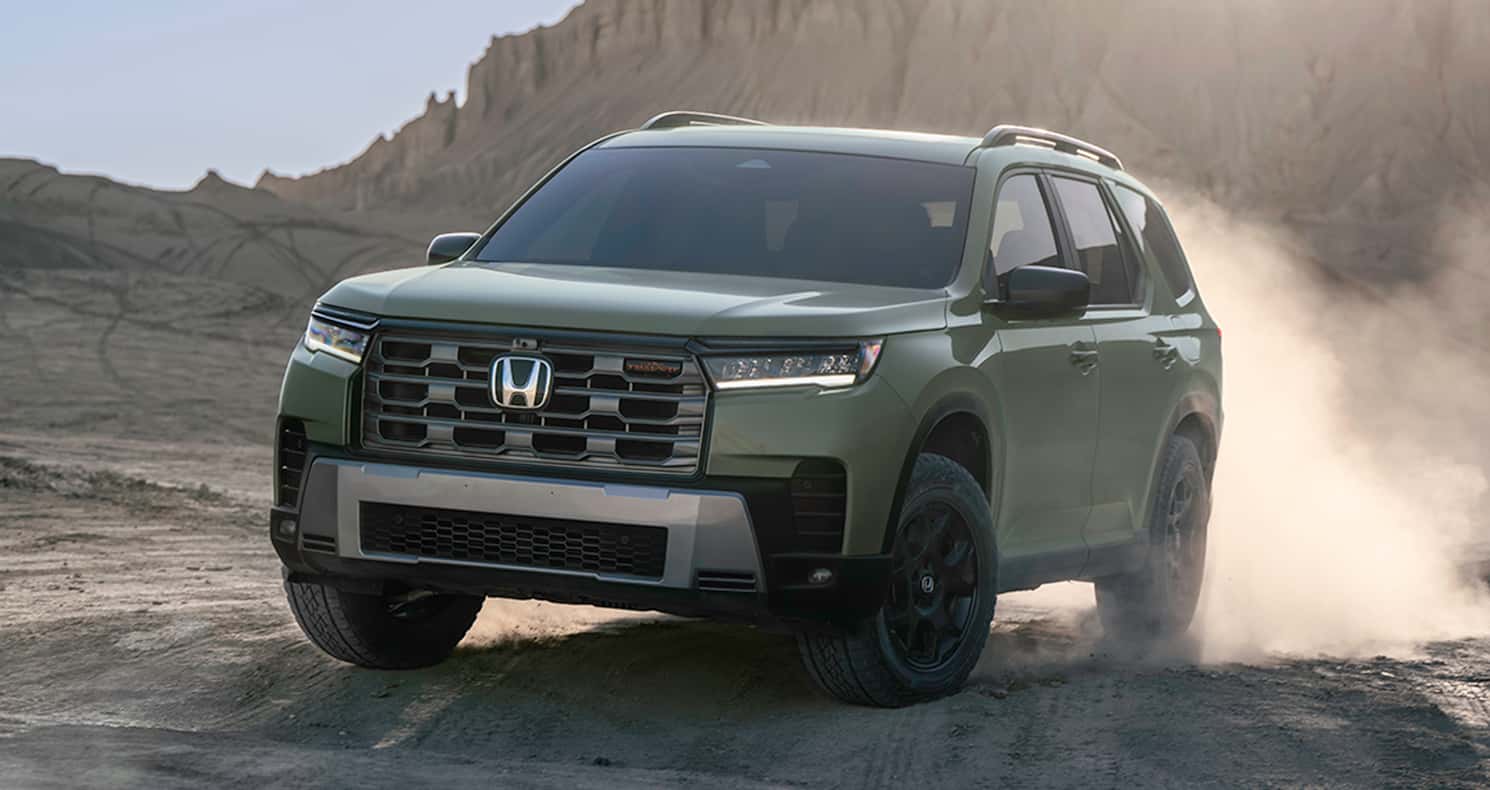
By our calculations, that would mean between five and seven or even eight all-new models could arrive by March 31, 2031, Japan’s end of financial year (JEOFY) and the deadline for those 15 newcomers. Along with replacements of ageing core existing vehicles, meaning HR-V (confirmed globally for 2028, then Civic, ZR-V, CR-V and perhaps Accord soon after), that leaves room for the Pilot and Ridgeline on top, as well as possibly one of the smaller, sub-HR-V SUVs like the Elevate/WR-V, as sold in India, Japan, South Africa, Brazil and elsewhere.
As announced in Honda’s widely-reported latest financial results for the most recent JEOFY report ending March 31, the company is reeling from an operating loss of around $A3.7 billion – its first in 70 years. A turnaround is forecast by the end of the 2028 JEOFY, thanks in part to these new-product innovations and several other measures including the highly-publicised cancellation of some EVs, though the coming Super One city car is not one of them.
Would the next-gen Pilot hybrid be a worthwhile addition to Honda Australia’s range, or it better-served pitching the future Ridgeline as a Shark 6 PHEV foe?