Bridging the Gap: Boosting Arts Philanthropy in Remote Australia
For many arts and cultural organisations nestled in Australia’s vast, remote communities, the concept of substantial private philanthropy often feels like a distant pipedream. While generous donors tend to congregate in the bustling metropolises, those working tirelessly on the ground in regional and remote areas face a starkly different fundraising landscape. A crucial parliamentary inquiry is now delving into the complexities of arts and cultural philanthropy, aiming to unearth strategies that will encourage a more equitable distribution of private sector support across the nation.
Music NT, the peak music body for the Northern Territory, has been a vocal participant in this inquiry, highlighting the significant hurdles faced by organisations outside of major urban centres. Mark Smith, the Executive Director of Music NT, has articulated the unique challenges: “Remote organisations contend with incredibly thin local donor markets, significantly higher delivery costs due to the sheer distances involved, and a limited capacity to access major philanthropic foundations.” He views the current parliamentary inquiry as a vital opportunity to forge a more inclusive approach to cultural philanthropy, ensuring it benefits communities across the entire country.
While the federal government commits a substantial $1.1 billion to the arts and cultural sector for 2026/27, many organisations find themselves struggling to sustain their operations on existing funding. Furthermore, some have experienced the unsettling reality of losing financial support they had previously relied upon from various government tiers. A persistent issue revolves around the provision of operational funding – the essential ‘keeping the lights on’ money that is difficult to secure through short-term, project-based grants.
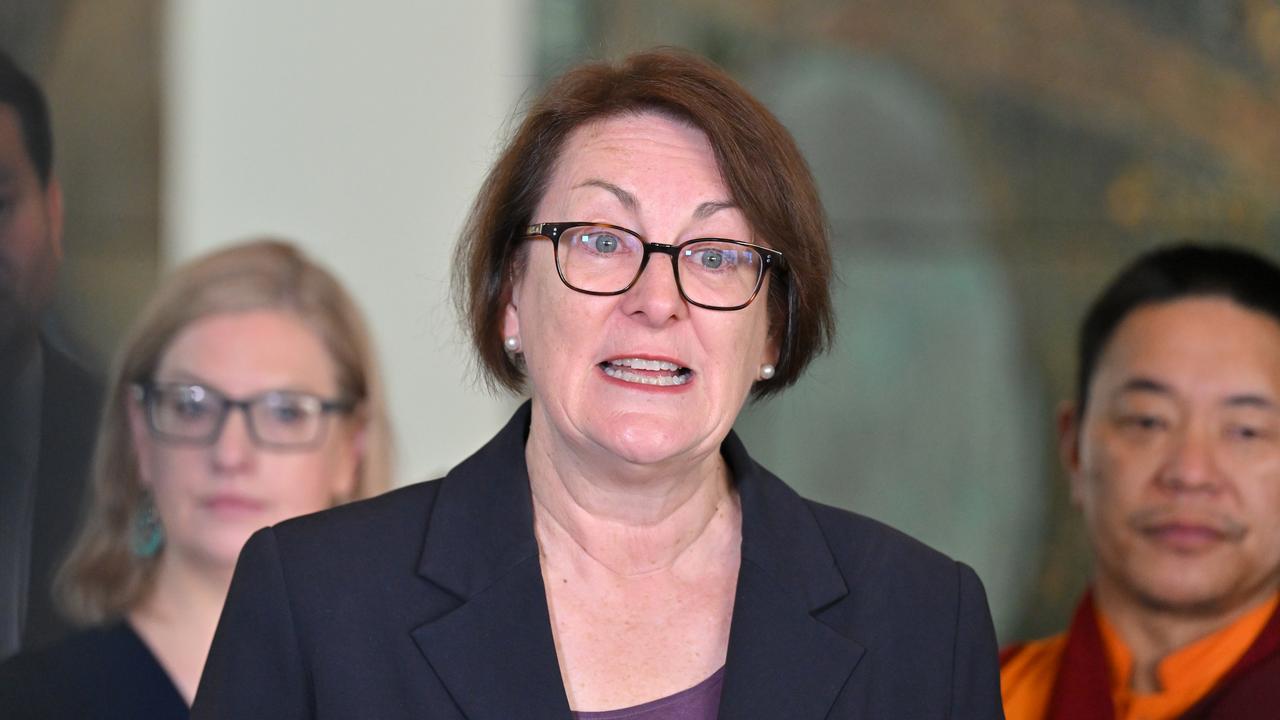
Susan Templeman, the Special Envoy for the Arts and Chair of the inquiry, acknowledges the perennial funding challenges. “We fully grasp that, quite frankly, there will never be enough funding to support all the artistic endeavours that I, personally, would love to see flourishing,” she stated. Despite this reality, the inquiry is seeking tangible solutions.
Innovative Proposals for a More Equitable Future
In response to the call for submissions, Music NT, alongside numerous other organisations, has put forward a suite of proposals designed to invigorate philanthropy for remote arts groups. Key among these are:
- Tax Incentives for Donors: Implementing attractive tax incentives could significantly encourage individuals and corporations to direct their charitable giving towards arts organisations in regional and remote Australia.
- Matched Government Funding: A model where government funding is matched to private donations could amplify the impact of philanthropic contributions, providing a powerful incentive for donors to get involved.
- “Investment Readiness” Programs: Music NT has also advocated for the development of programs specifically designed to help smaller organisations build the capacity to attract and effectively manage philanthropic donations. This would equip them with the skills and knowledge needed to engage with potential donors and manage funding streams.
The parliamentary inquiry has heard compelling insights from potential donors themselves. It’s understood that donors are not solely driven by the desire for public recognition. Instead, they are keen to witness tangible, positive outcomes in areas they are passionate about. This underscores the importance of demonstrating impact and connecting donor contributions to real-world results within the arts sector.
Learning from Other Sectors and Successful Initiatives
The potential for cross-sector collaboration and the adaptation of successful models from other fields has also been a point of discussion. The Sunshine Coast Arts Foundation, for instance, suggested extending programs similar to Queensland’s successful sports vouchers initiative to the arts. Andrea Briody from the foundation commented, “It would be incredibly beneficial if these initiatives could be broadened to encompass private dance schools and music schools, thereby incentivising children to engage with the arts from a young age.”
The challenges of fundraising outside of major urban centres were starkly illustrated for Music NT during Australia’s first crowdfunding day for the arts, organised by Creative Australia in 2025. Mr. Smith shared his experience: “It serves as a prime example of how intricate fundraising can be in smaller communities, where all the local arts organisations are essentially having the same conversation with the same pool of potential donors.” He elaborated on the difficulties of this scenario: “You’re effectively competing for the same limited pool of funds, which makes it challenging to accurately measure the effectiveness of such initiatives.”
The ongoing parliamentary inquiry represents a critical juncture for the future of arts philanthropy in Australia. By acknowledging the unique challenges faced by remote organisations and actively seeking innovative solutions, there is a genuine prospect of fostering a more vibrant, accessible, and culturally rich arts landscape for all Australians, regardless of their geographical location.