A New Era of Unity on the Field
In a world where many nations are grappling with social divisions, the World Cup has become a stage for showcasing how players from different backgrounds and faiths can come together to achieve a common goal. This phenomenon is particularly evident among Western European teams, which have historically been dominated by white and Christian players. As these societies have become more diverse, so too have their national team rosters, featuring athletes who openly embrace their religious identities.
Diverse Teams and Shared Goals
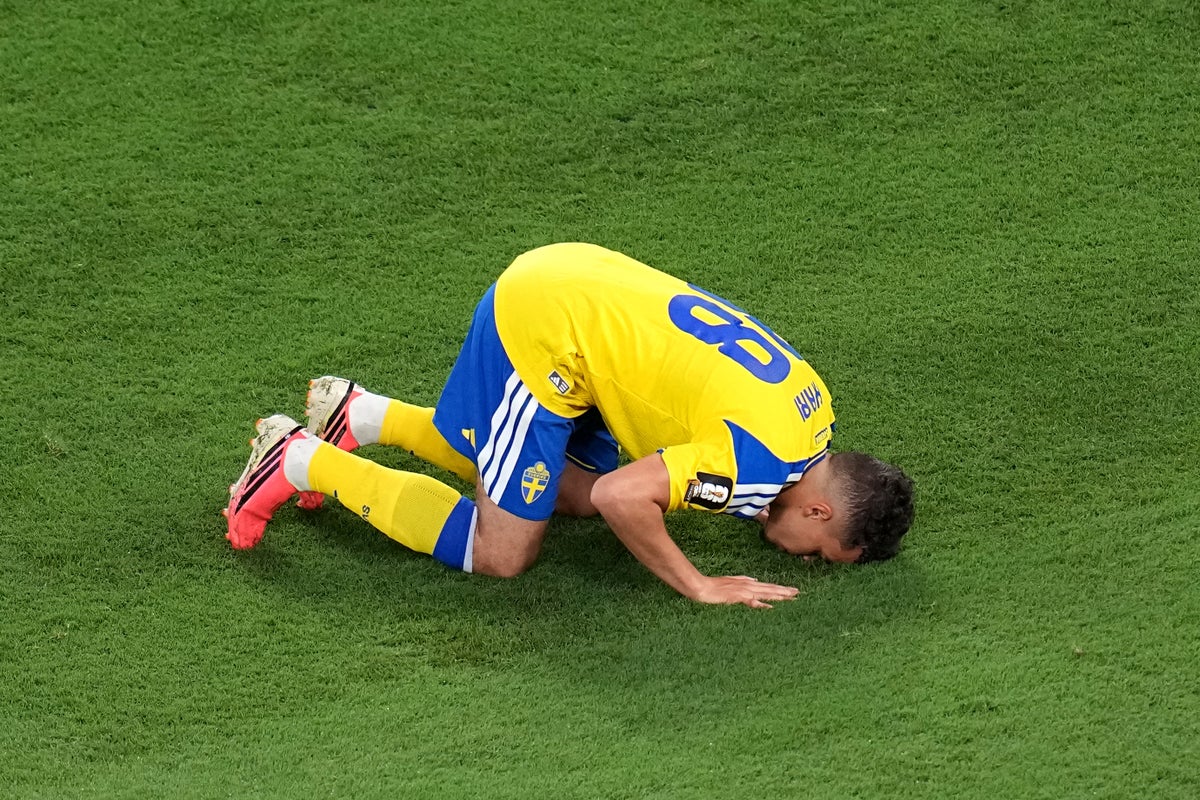
England’s national squad, for the first time, includes a Muslim player, while France’s roster features players from Protestant, Catholic, and Muslim backgrounds. Spain’s emerging star, Lamine Yamal, is a practicing Muslim, and Sweden’s Yasin Ayari was seen prostrating himself on the field after scoring a goal. These moments highlight the growing acceptance of religious diversity in football.
Despite the political polarization in many of these countries due to the influx of Muslim immigrants, the diversity of the World Cup teams may offer a positive message. Eboo Patel, president of Interfaith America, believes that the presence of players from different faiths is symbolic yet substantive. He points to the images of Christian players crossing themselves and Muslim players praying, emphasizing that these actions reflect their deep connection to their faith and how it enhances their performance on the field.
Players Who Embrace Their Faith
Several World Cup players have drawn attention for their openness about their religious beliefs:
Mohamed Salah (Egypt): One of Egypt’s most prominent players, Salah is a Sunni Muslim who practices his faith openly. After scoring goals, he often prostrates himself to give thanks to God. His influence extends beyond the field, as researchers noted a significant drop in anti-Muslim tweets by fans after he joined Liverpool.
Luka Modrić (Croatia): At 40, Modrić is set to surpass 200 international appearances. A devout Catholic, he often wears shin guards depicting Jesus and the Virgin Mary. Before traveling to the U.S., he and his teammates celebrated Mass at a chapel in Croatia.
Djed Spence (England): Although the Football Association does not track players’ religions, Spence is recognized as the first Muslim to play for England’s senior team. He hopes to inspire young players around the world.
Lamine Yamal (Spain): Yamal, a Muslim whose father is Moroccan, gained worldwide attention when he waved the Palestinian flag during Barcelona’s celebrations. His actions sparked debate, but they also highlighted the importance of cultural and religious expression.
Marc Guéhi (England): The son of a Christian minister, Guéhi has been open about his faith. He defied FA rules by writing religious messages on his uniform, showing his commitment to his beliefs.
Aimar Sher (Iraq): Despite the challenges faced by religious minorities in Iraq, Sher, a Christian, has shared his faith through social media, wearing an “I Belong to Jesus” T-shirt.
Christian Pulisic (US): The U.S. forward openly discusses his Christian faith, often wearing a cross necklace given by his mother. He leads team Bible studies and shares religious passages on social media.
A Message of Inclusion
The presence of players from various religious backgrounds on the World Cup teams sends a powerful message of inclusion and unity. It demonstrates that faith can coexist with sports and that diverse teams can thrive through cooperation and mutual respect. As these players continue to shine on the global stage, they offer a glimpse into a future where differences are celebrated rather than divided.