The 2026 FIFA World Cup: A New Era for African Football
The 2026 FIFA World Cup is a significant milestone for African football. With the tournament expanding from 32 to 48 teams, the continent is experiencing an unprecedented level of representation on the global stage. Ten African nations have qualified for this year’s event: Morocco, Senegal, Egypt, Cote d’Ivoire, South Africa, the Democratic Republic of Congo, Tunisia, Algeria, Ghana and Cape Verde.
South Africa made its debut in the tournament against Mexico, one of the three host nations alongside the United States and Canada. Despite a 2–0 loss, the Bafana Bafana, known as “The Boys” in isiZulu, showed determination to move beyond their 2010 World Cup legacy. That tournament, hosted by South Africa, was historic despite the country exiting in the group stage.
Not all fans supported South Africa during the opening match. Some backed Mexico due to lingering tensions over recent xenophobic attacks in the country. Cote d’Ivoire’s coach Emerse Fae expressed high hopes after his team’s 1–0 win over Ecuador. Striker Sebastien Haller played a crucial role in their victory, following his success in the 2024 Africa Cup of Nations.
Morocco has emerged as a strong contender after their impressive semi-final run in the 2022 World Cup. Players like Achraf Hakimi and Brahim Diaz made a statement in their first 2026 World Cup match against Brazil, earning a 1–1 draw. Meanwhile, Ghana, yet to play their first match against Panama, hopes that a new generation led by midfielder Mohammed Kudus can restore the Black Stars’ reputation.
Drama in Tunisia’s First Match
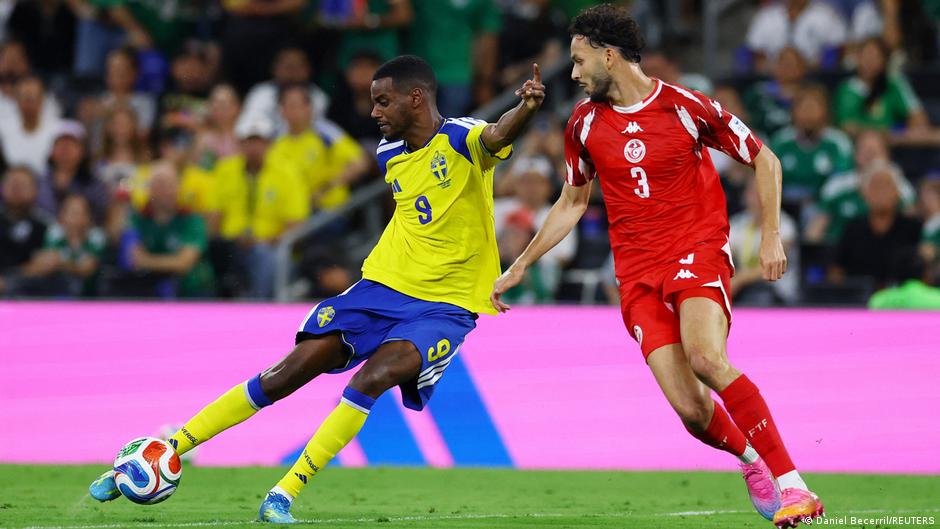
Tunisia faced a difficult start in their opening match, losing 5–1 to Sweden. Coach Sabri Lamouchi was immediately dismissed, becoming the first World Cup coach to be sacked after just one match. Egypt also had a challenging start, drawing 1–1 with Belgium, with forward Mohamed Salah once again under the spotlight.
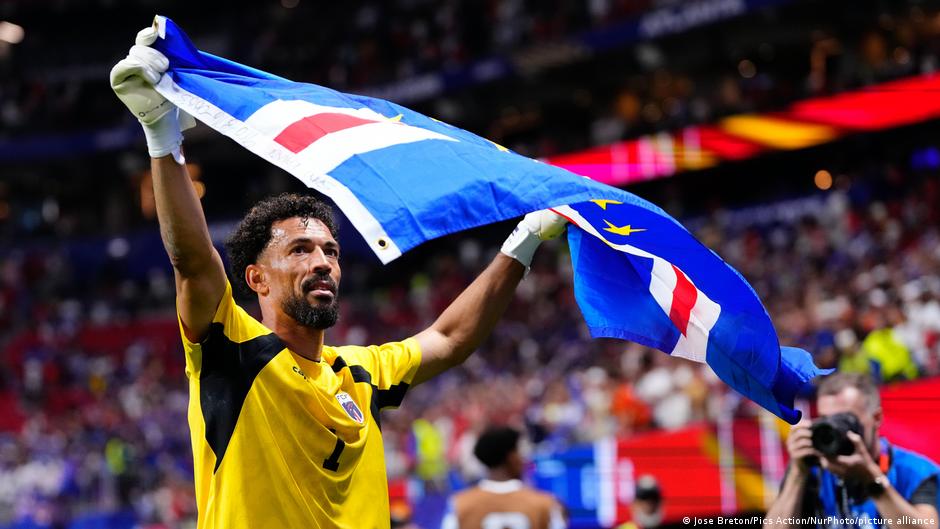
Cape Verde delivered one of the tournament’s highlights when veteran goalkeeper Vozinha stopped European champions Spain. Although his mother could not attend due to an expensive travel bond, Vozinha’s performance captivated fans. His Instagram following skyrocketed from 50,000 to over 6 million within hours.
France vs. Senegal: A Francophone Derby
The heated clash between France and Senegal, which France won 3–1, carried historical significance. Senegal was a French colony until 1960, and the relationship between the two countries remains complex. France remains a key economic partner for Senegal, with close ties in infrastructure, investment, energy, and business.
Senegal players such as Kalidou Koulibaly and Edouard Mendy reflect the shared history between the two nations. Others, like Sadio Mane, represent Senegal’s identity and football ambitions. Many of France’s top stars, including Kylian Mbappe, also have African roots.
Ousmane Sonko, speaker of Senegal’s National Assembly, highlighted the connection between the two nations: “Whichever team wins, it is Africa that will have beaten Africa.”
Back After 50 Years: DR Congo’s Leopards
The Democratic Republic of Congo’s Leopards are back for the first time since the 1974 World Cup. Led by a new generation including Yoane Wissa, the team attracted attention with their distinctive arrival looks. The outfits, designed by Alvin Mak, featured leopard patterns and matching bags.
DR Congo also has one of the most famous football supporters: Michel Nkuka Mboladinga, known as “Lumumba.” He wears a suit matching the Congolese flag and resembles Patrice Lumumba, the first prime minister of independent Congo. His silent presence during matches is a way of supporting the team.
Broader Issues Beyond the Pitch
While African teams celebrate their biggest-ever presence at the World Cup, the tournament has also highlighted wider issues. The US State Department suspended visas for 39 countries, including Cote d’Ivoire and Senegal. Somali referee Omar Artan was denied entry to the US due to links with “suspected members of terror organizations,” despite being the 2025 African referee of the year.
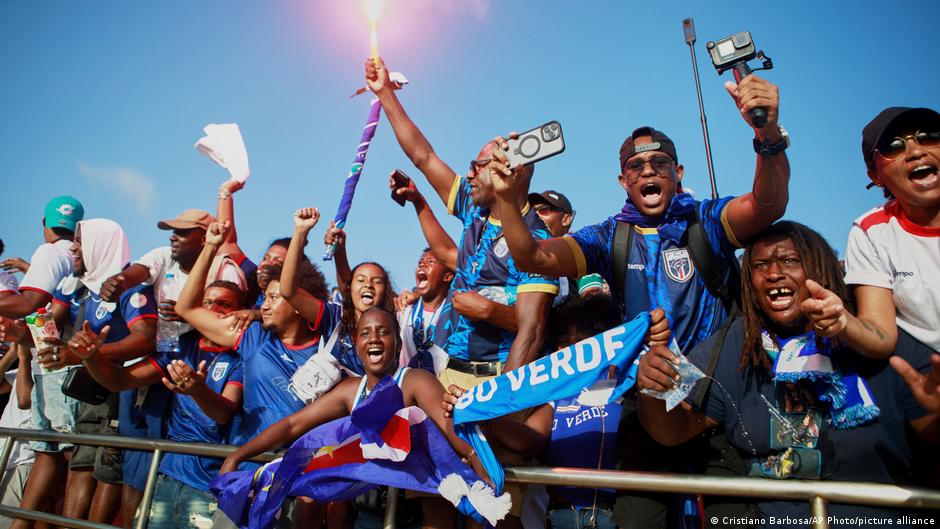
Despite these challenges, the excitement surrounding the tournament remains high. Fans continue to support their teams passionately, even from afar.