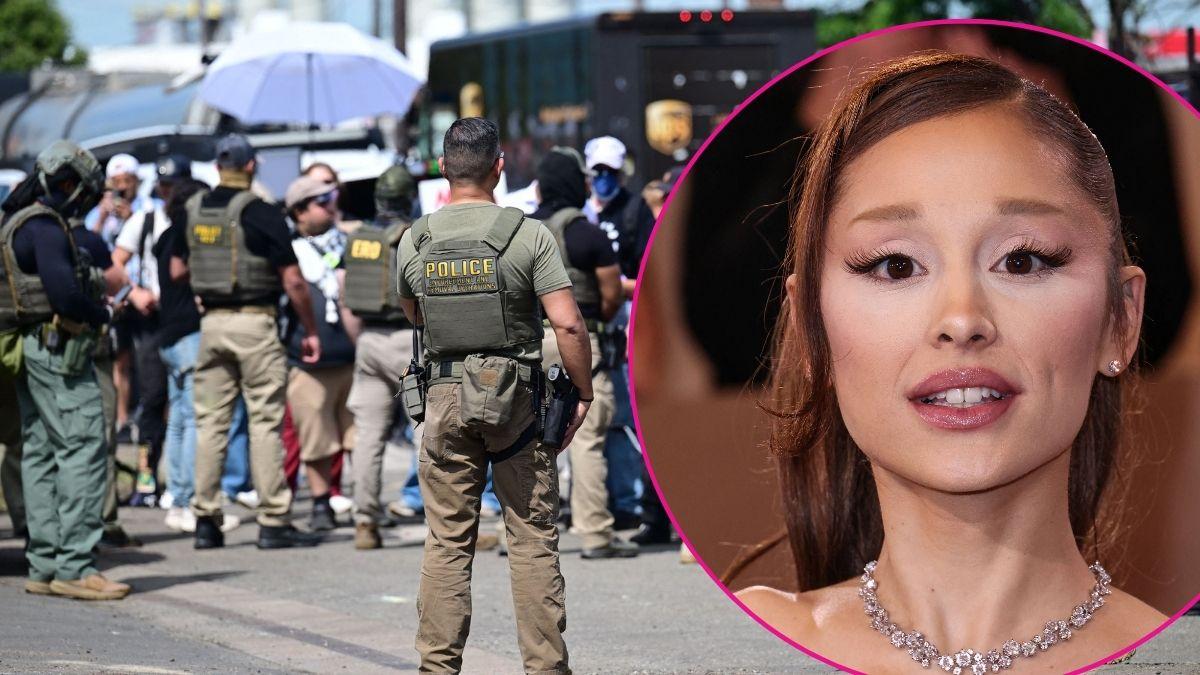
Ariana Grande has made it clear that her music should not be used to support the White House’s immigration policies. The Grammy-winning singer and star of Wicked expressed her disapproval after a TikTok video from the White House featured her 2024 song “bye” alongside footage of federal agents arresting and handcuffing individuals. This clip, which promoted President Donald Trump’s immigration agenda, sparked a new debate about the intersection of pop culture, political messaging, and artists who refuse to have their work co-opted by government campaigns.
Ariana Grande Draws the Line
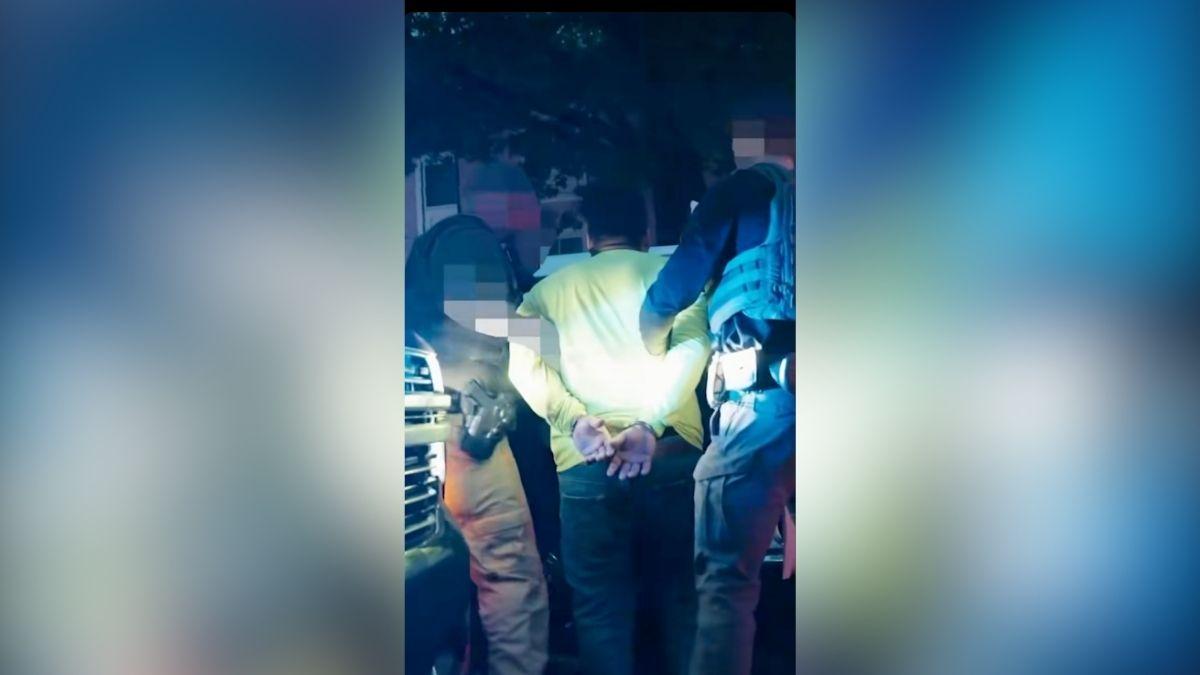
Grande took to the White House’s TikTok page on June 11 to voice her strong opposition to the use of her music. According to Reuters, she wrote, “Please do not ever use my music in relation to this barbaric, inhumane, heinous nonsense.” She reportedly added, “F— ICE,” referencing the U.S. Immigration and Customs Enforcement agency. A source close to the singer told Reuters that Grande’s team was working to have the song removed from the video as quickly as possible. Soon after, the sound was taken out from the clip.
The White House Fires Back
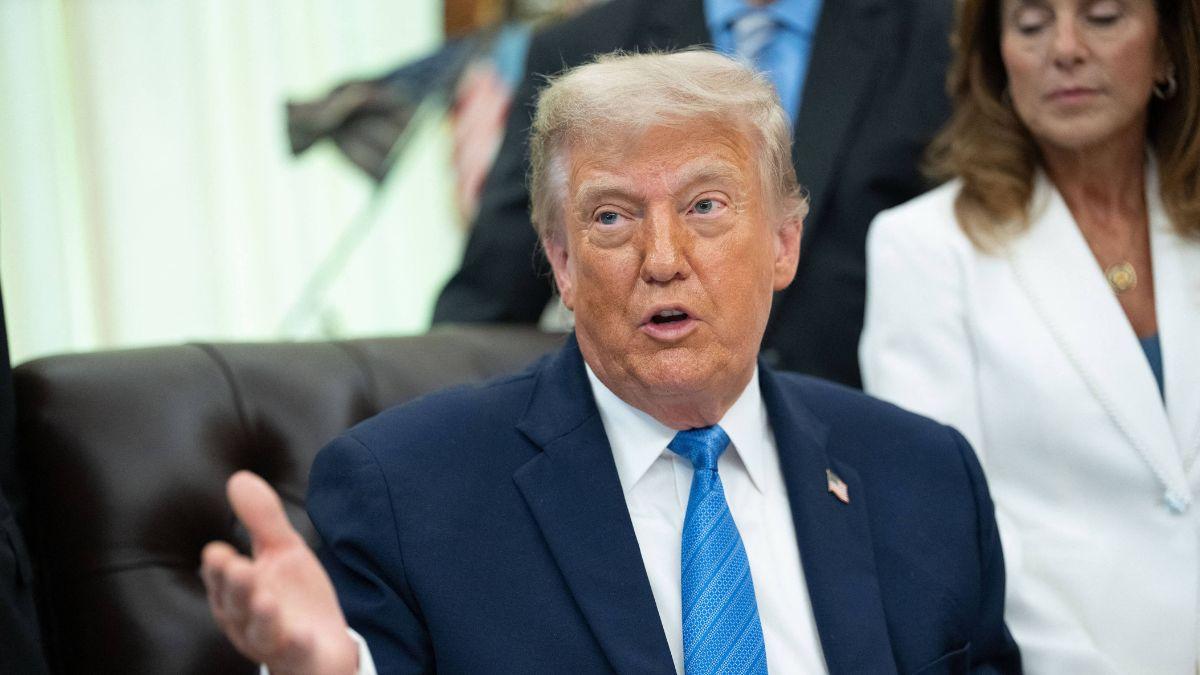
In response to Grande’s comments, White House spokesperson Abigail Jackson defended the administration’s immigration message. She stated, “We’ll say this one last time: what’s actually barbaric, inhumane, and heinous are the criminal illegal aliens who have injured and murdered innocent American citizens.” The video in question was captioned, “Bye-bye. President Trump has delivered the most secure border in history.”
Trump’s Use of Music in Political Campaigns
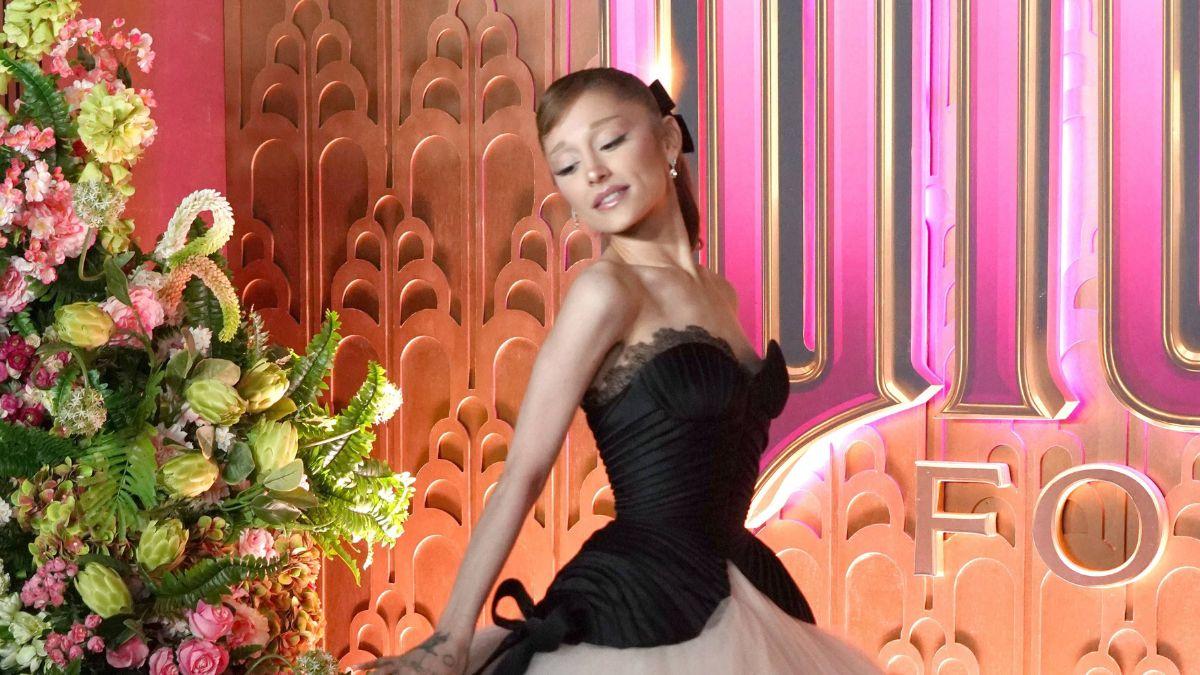
Trump and his communications team have frequently used short, music-driven social media videos to promote various aspects of the administration’s agenda. These clips often feature popular songs to accompany content on immigration enforcement, military operations against Iran, and other policy priorities. However, this strategy has led to backlash when artists object to having their music associated with political messaging.
Pop Stars vs. Political Soundtracks

Grande is not the first high-profile artist to clash with the Trump administration over the use of their music. Celine Dion, Rihanna, Jess Glynne, Olivia Rodrigo, Sabrina Carpenter, and Beyoncé have all had public disputes with the administration regarding their songs being used in political content.
Grande has also been vocal about her criticism of the administration’s immigration policies. Earlier this year, she wore an “ICE OUT” pin at the Golden Globes and shared information with her followers on how to contact their state senators. Her stance reflects a growing trend among celebrities who are increasingly using their platforms to speak out against policies they find unacceptable.
Broader Implications for Artists and Politics
The incident highlights the complex relationship between artists and political institutions. As social media continues to shape public opinion, the use of music in political campaigns becomes more prevalent. However, many artists are resisting this trend, choosing instead to assert their values and clarify their boundaries.
This situation also raises questions about the ethical responsibilities of both artists and political entities. While politicians may seek to leverage popular culture to amplify their messages, artists often feel that their work is being misused or exploited without their consent.
As the line between entertainment and politics becomes increasingly blurred, the need for clear communication and mutual respect becomes more important than ever. For now, Ariana Grande has drawn a firm line—and her message is clear.