The Growing Threat of Flesh-Eating Worms in the United States
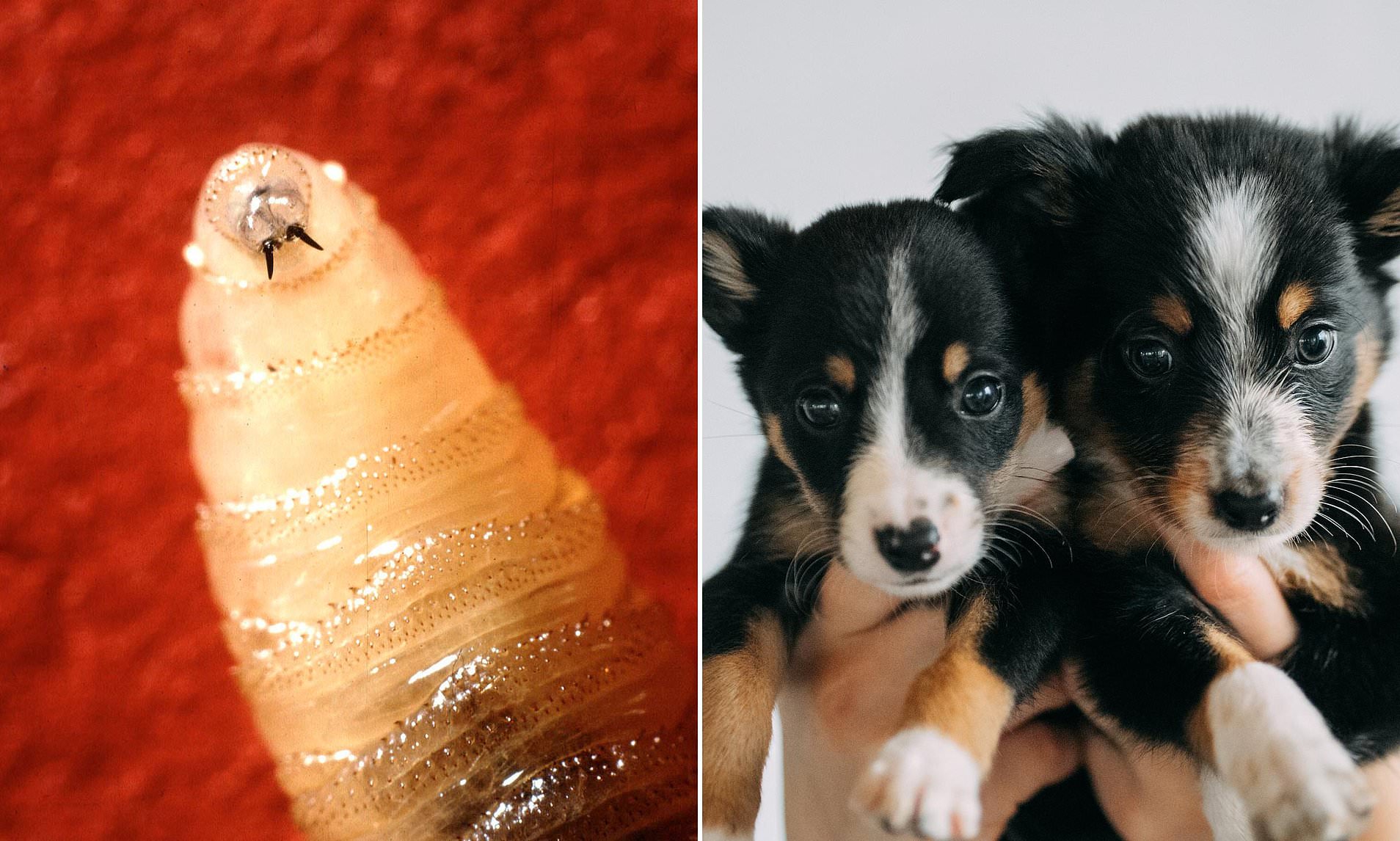
A new and alarming threat is spreading across the United States, with southern states taking urgent action to prevent the spread of a dangerous parasite known as the New World screwworm. This parasitic fly larvae can cause severe and life-threatening wounds in both animals and humans. The first domestic cases of this parasite have been confirmed in more than six decades, with infections detected in cattle, a goat, and a dog.
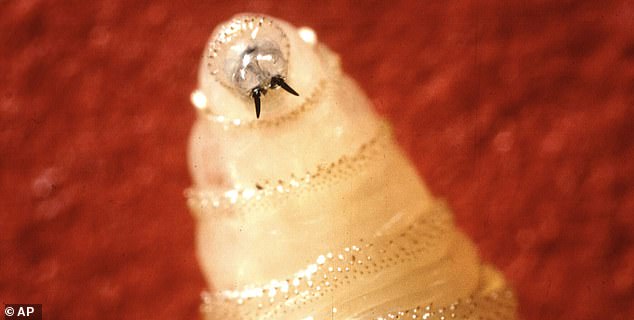
The larvae of the New World screwworm feed on living tissue, entering through open wounds and burrowing into the flesh. This process can lead to deep, painful wounds that require immediate medical attention. Domesticated pets, such as dogs and cats, are among the vectors through which the larvae can spread to humans, making it a growing concern for pet owners across the country.
So far, the confirmed cases have been limited to Texas and New Mexico, but several other states, including Oklahoma, Arkansas, California, and Georgia, have implemented travel restrictions on rescue pets and livestock. These measures aim to prevent the parasite from spreading further.
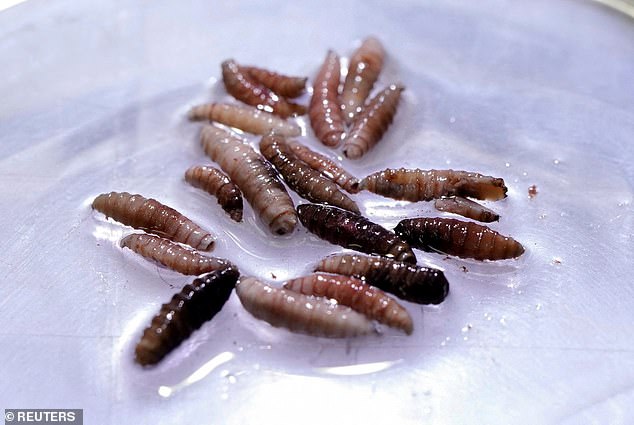
In response to the crisis, Florida has introduced emergency rules that make the state one of the most restrictive in terms of animal movement. A female screwworm can lay up to 200 to 300 eggs at a time, and if left untreated, the larvae will hatch and begin consuming the host’s tissue.
Symptoms and Treatment
Pet owners are advised to be vigilant for signs of infection, such as wounds that do not heal, a foul odor, or visible maggots. According to the United States Department of Agriculture (USDA), any symptoms should be reported immediately. Early detection is crucial, as both animals and humans can be treated effectively if the condition is identified quickly.
The USDA has emphasized that the risk of a nationwide infestation is “very low,” and the U.S. food supply remains safe. New World screwworms do not thrive outside of tropical or subtropical regions, and the risk to humans is also considered “very low.”
On Thursday, the U.S. Food and Drug Administration authorized the emergency use of a generic over-the-counter tablet to treat infestations caused by the New World screwworm in dogs and cats. Nitenpyram tablets, a fast-acting treatment, can be used in pets weighing at least two pounds and at least four weeks old. The drug is expected to kill most larvae within hours of the first dose.

State Responses and Control Measures
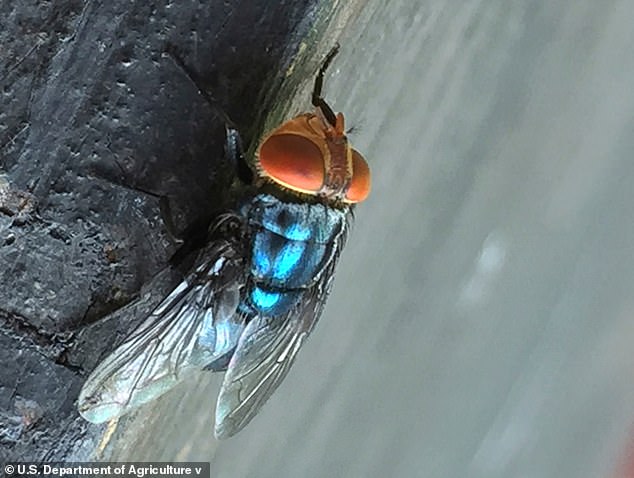
Texas has announced a comprehensive plan to combat the spread of the parasite, including the release of sterile flies, movement control zones, and the distribution of treatment supplies. The USDA has estimated that efforts to drive the screwworms back south will cost over $1 billion, with about $750 million allocated toward building and operating a plant capable of producing up to 300 million sterile flies per week.
Releasing sterile flies has been a technique used for decades. Since female screwworms mate only once, if they choose a sterile mate, their eggs will not hatch, leading to a decline in the fly population. This method is critical in protecting the U.S. cattle industry.
Experts hope that the parasite will not cause an immediate increase in beef prices, which are already near record highs. Importantly, screwworms do not affect food safety, but the economic impact on the agricultural sector could be significant.
Ongoing Efforts and Public Awareness
As the situation continues to develop, public awareness and cooperation remain essential. Pet owners are encouraged to stay informed about the risks and take necessary precautions to protect their animals. Officials have warned that while most pets in the country face a low risk, those that have recently been in affected areas may be more vulnerable.
With ongoing efforts from federal and state agencies, the goal is to contain the spread of the New World screwworm and prevent further outbreaks. The collaboration between different departments and the use of innovative techniques like sterile fly releases are key components of this strategy.