The Struggle for Access and Stability
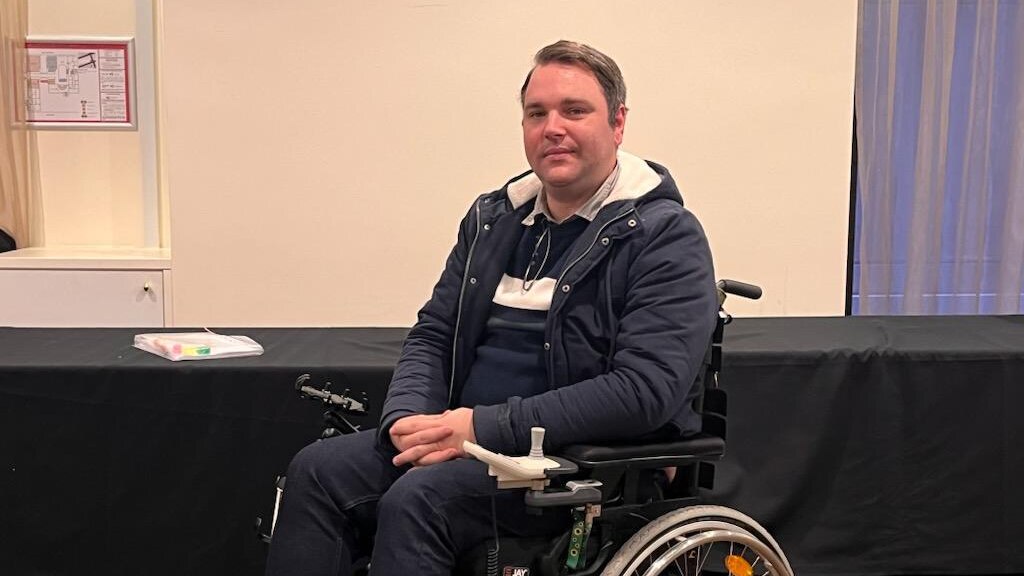
Andrew Bretherton’s journey to access the National Disability Insurance Scheme (NDIS) was a long and arduous one. It took three attempts and thousands of dollars in legal fees before he was finally granted entry into the program. Mr. Bretherton lives with myalgic encephalomyelitis (ME), also known as chronic fatigue syndrome (CFS), which he developed after contracting glandular fever at the age of 26. Now, he is facing the possibility of being removed from the NDIS, a prospect that fills him with fear.
“I’ve seen other people with my condition either be removed or have their funding drastically cut, and the ME/CFS community is very scared about what these cuts will mean,” Mr. Bretherton said. His fears are not unfounded, as they are affecting his mental health and leaving him feeling vulnerable.
A System Causing Anxiety and Depression
Disability activists have highlighted that the NDIS system is causing anxiety, depression, and even suicidal ideation among those it is meant to support. This is particularly concerning given the critical role the NDIS plays in providing essential support to individuals with disabilities.
Last month, the federal government announced plans to remove more than 160,000 people from the NDIS, along with several other changes. The government claims this is necessary to address significant cost overruns. For Mr. Bretherton, who also lives with autism, these changes have had a direct impact on his life.
“Before I was on the NDIS, I was mostly housebound and bedbound,” he explained. “I didn’t have the supports in place to enable me to go out and participate in my community.” He is now worried that future cuts could lead to a return to a situation of homelessness or isolation.
The Impact of Support Cuts
Mr. Bretherton has experienced the effects of support cuts firsthand. “Art therapy was one thing that actually helped, but that was cut completely,” he said. “I also had my physio cut quite substantially, which has led to more physical pain and mobility issues.”
These cuts have significantly affected his quality of life, and he fears that further reductions could exacerbate his challenges. The uncertainty surrounding the NDIS system is causing immense stress for many participants.
Seeking Certainty and Stability
People with Disabilities Australia (PWDA) acting chief executive Megan Spindler-Smith described the experience of navigating the NDIS as incredibly stressful. “We hear from people who are trying to work, study, raise children, manage their health, and participate fully in their communities while also navigating complex systems, gathering evidence and responding to changing requirements,” she said.
Ms. Spindler-Smith noted that many people feel they are constantly having to justify their disabilities, their support needs, and their right to participate in everyday life. This adds to the strain on their mental health.
She emphasized that while the NDIS can be transformative when it works well, there is a pressing need for certainty for participants and their families. “People are being told replacement systems will exist in the future, but we have no clarity on what those systems will look like, where they will be available, who will be eligible or whether they will meet people’s needs,” she said.
The Mental Health Toll
The stress associated with NDIS reviews, planning processes, appeals, and uncertainty about future supports has led some people to seek additional mental health support. “Ultimately, what people want is certainty,” Ms. Spindler-Smith added.
The federal minister for health and disabilities was contacted for comment but did not respond.
Fears for the Future
Independent disability activist Zoe Simmons shared her concerns about the mental toll of navigating the NDIS system. “I’ve absolutely spoken to other people who experience depression, anxiety and even suicidal ideation over how hard it is to access supports,” she said.
Ms. Simmons, who experiences complex mental health issues alongside her diagnoses of autism and CFS, said she has “fortnightly mental health sessions just to cope.” She is terrified that changes to the NDIS could see herself and others like her become more isolated and worsen her mental health.
“It was hard enough accessing the supports I currently have, let alone not knowing whether you are going to have enough supports to survive in the future,” she said. Her words reflect the deep-seated fears and anxieties of many NDIS participants who are struggling to maintain stability in an uncertain environment.