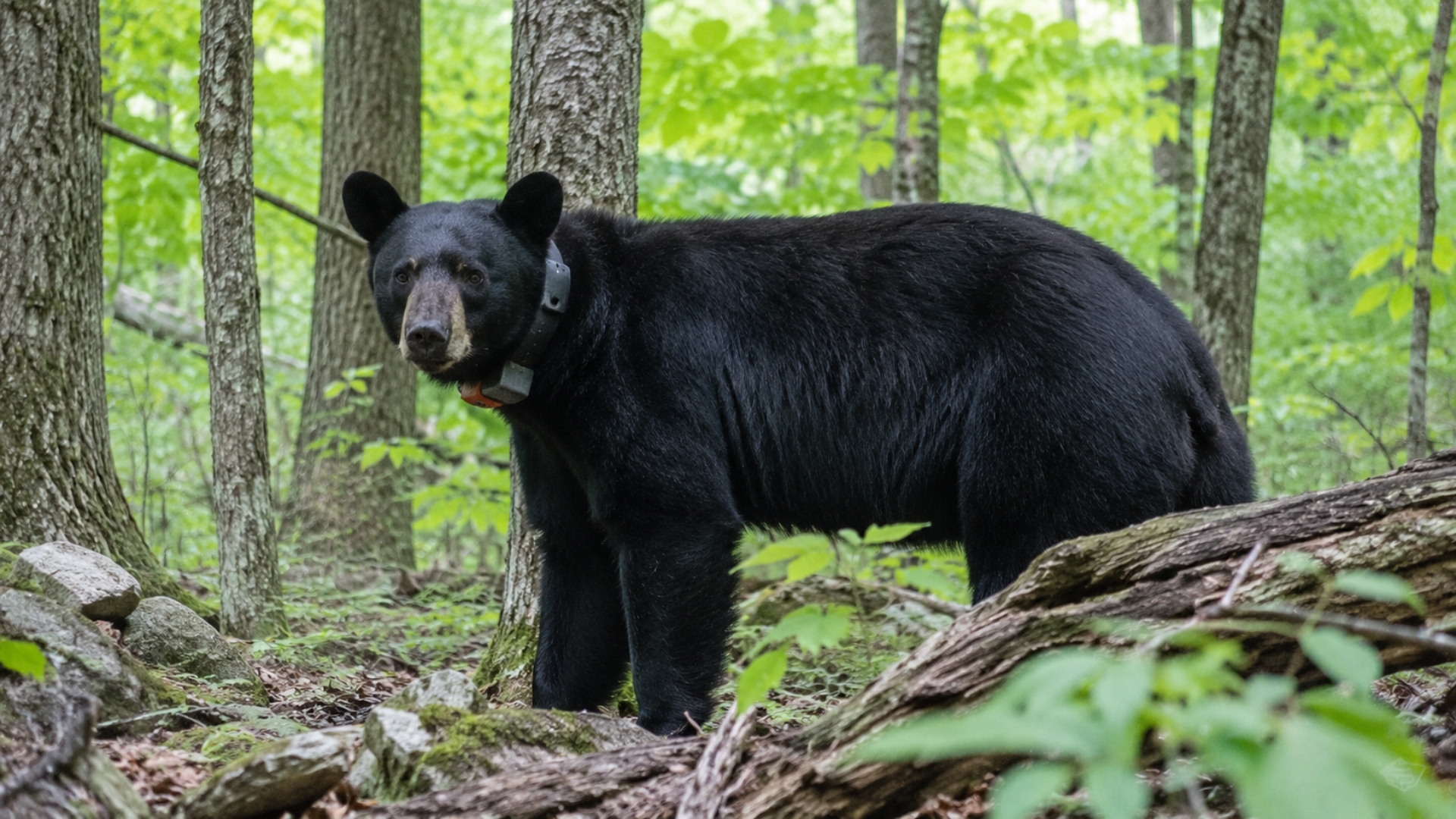
A Bear with a Big Message
A 576-pound male black bear, collared in northeast Ohio, has become a powerful symbol of the species’ resurgence. Wildlife officials placed the tracking collar in Ashtabula County as part of research into the state’s growing bear population. In 2025, Ohio recorded 537 black bear sightings across 69 counties, more than double the 260 sightings reported in 2023. Black bears were once eradicated from Ohio by the mid-19th century, but they began reappearing in the state in the 1930s. This large bear represents a significant shift in wildlife dynamics.
Recovery Demands Public Responsibility
The recovery of black bears is an exciting development, but it also requires careful preparation. Bears are intelligent, strong, and highly motivated by food. Bird feeders, garbage, pet food, beehives, and unsecured campsites can quickly lead to conflicts. Public education is crucial before bears become common neighbors. A bear that learns to associate people with food may become a problem due to human errors.
Tracking Helps Managers Understand Movement
A radio collar can reveal how a bear uses its environment. Researchers can learn where it travels, how far it moves, what habitats it uses, and where the risk of conflict might increase. This information is especially valuable in states where bears are returning gradually rather than existing as a large established population. Effective management depends on understanding where animals actually go. Tracking is not just scientific; it is also about planning for coexistence.
A Native Predator Reclaims Its Space
The return of the bear does not mean Ohio is becoming wilderness again. It means a native species is reclaiming old ground in a modern landscape filled with farms, roads, towns, and woodlots. For this return to succeed, people must learn how to live responsibly with bears. Ohio’s bear story is still in its early stages, and careful monitoring will shape what happens next. The question is not whether bears belong. The question is whether people can make room for their return.
Key Points About Bear Recovery
- Population Growth: Ohio has seen a significant increase in black bear sightings over the past few years, indicating a successful recovery.
- Public Education: Educating the public about how to avoid conflicts with bears is essential for their continued survival.
- Tracking Technology: Radio collars provide valuable data on bear movement and behavior, aiding in conservation efforts.
- Coexistence Planning: Managing bear populations requires understanding their needs and how they interact with human environments.
- Ecological Balance: The return of bears helps restore ecological balance and highlights the importance of preserving natural habitats.
Challenges and Opportunities
As black bears continue to return to Ohio, there are both challenges and opportunities. The increasing presence of bears in areas with human activity requires a proactive approach to prevent conflicts. At the same time, this recovery offers a chance to educate the public about wildlife conservation and the importance of living harmoniously with nature.
Looking Ahead
The future of black bears in Ohio depends on ongoing research, public awareness, and responsible management. By working together, communities can ensure that bears and humans can coexist safely. The journey of this massive bear is just the beginning of a larger story about wildlife recovery and the evolving relationship between nature and society.