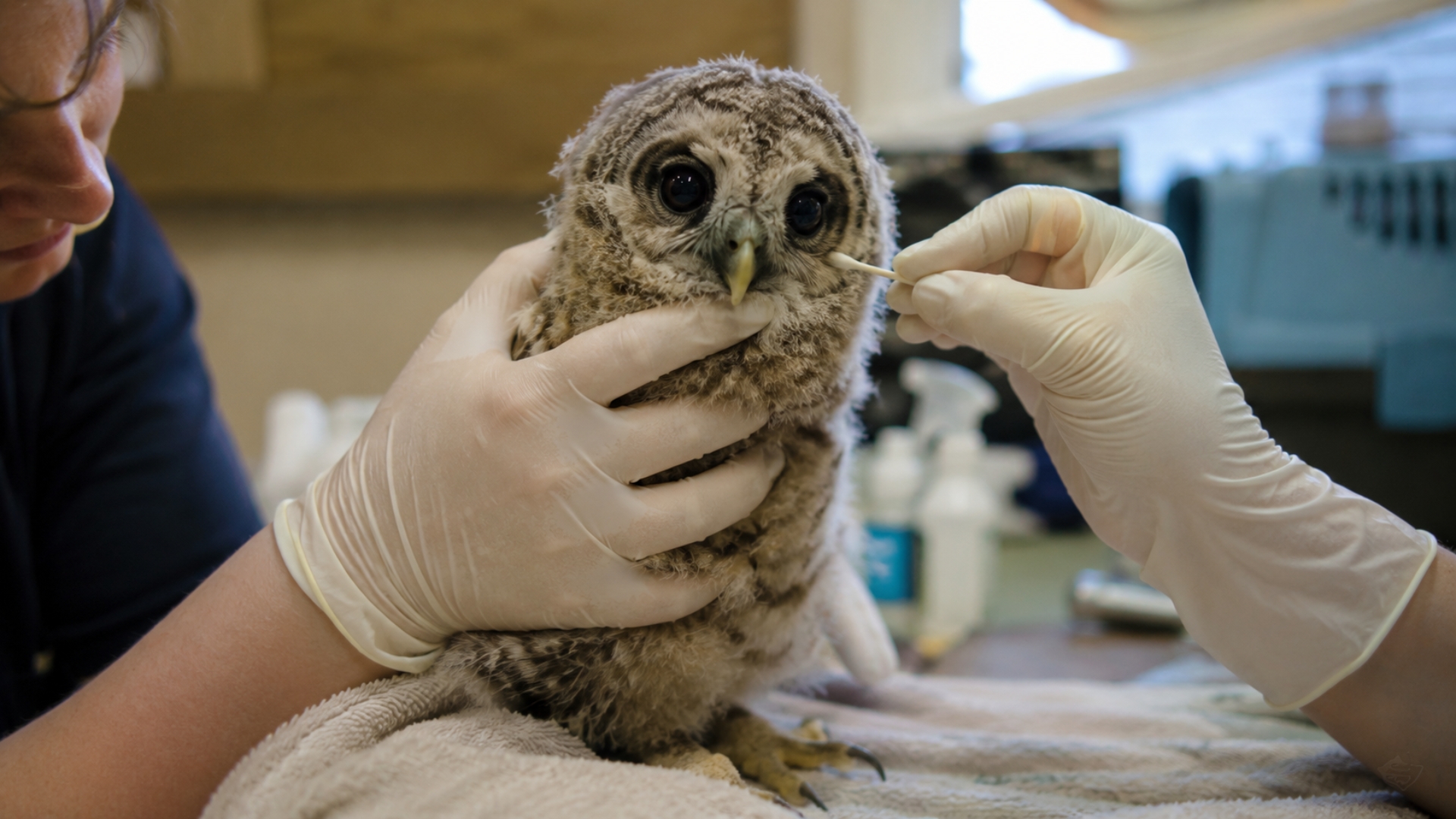
The Challenges of Spring for Young Raptors
Spring is a season of renewal and growth, but for young raptors, it also brings significant challenges. At the IFAW Beijing Raptor Rescue Center, this time of year is particularly busy as nesting season begins. Many young birds arrive at the center after falling from their nests, becoming separated from their parents, or encountering various urban hazards before they are ready to survive on their own. While some of these birds require only short-term care before being released back into the wild, others come in with severe injuries that make recovery more complex. This pattern highlights the vulnerability of young birds during their first weeks of life.
Not All Grounded Birds Are Abandoned
When people come across a young bird on the ground, they often feel an urge to intervene. However, not every grounded bird is truly abandoned. In many cases, the bird may be a fledgling learning to fly, with its parents nearby. Removing the bird unnecessarily can hinder its development and reduce its chances of survival. On the other hand, there are situations where the bird may genuinely need help due to injury, danger, or separation from its parents. Distinguishing between these scenarios can be difficult, which is why seeking expert advice is crucial.
Urban Environments Present New Threats
While young raptors face natural risks in the wild, cities introduce additional dangers. Buildings, windows, traffic, power lines, pollution, and human activity can all pose threats to inexperienced birds. Although nesting near humans may offer food opportunities, it also increases exposure to harm. Rescue centers play a vital role in providing a safety net when wildlife encounters urban infrastructure. Their work involves a combination of veterinary care, public education, and conservation efforts.
Knowing When to Step Back
Sometimes, the best way to help a young raptor is to avoid interference altogether. People should maintain a safe distance, keep pets under control, and minimize disturbances. It is important to contact trained wildlife rescuers for guidance rather than attempting to handle the bird themselves. Well-intentioned actions can cause stress to the bird, risk injury to humans, and potentially separate the young bird from its parents. The springtime surge in young raptors in Beijing serves as a reminder that compassion must be paired with knowledge. Effective wildlife rescue requires careful and informed action, not impulsive decisions.
The Role of Rescue Centers
Rescue centers like the IFAW Beijing Raptor Rescue Center are essential in supporting young raptors during their most vulnerable period. These organizations provide medical care, rehabilitation, and education to both the animals and the public. By raising awareness about the challenges faced by urban wildlife, they help foster a greater understanding of how to coexist with nature. Their efforts contribute to broader conservation goals, ensuring that future generations can continue to enjoy the presence of raptors in their natural habitats.
Public Awareness and Education
Public education is a key component of wildlife rescue efforts. Many people are unaware of the proper steps to take when encountering a young bird. Rescue centers often conduct outreach programs to teach the community about the importance of leaving birds undisturbed unless necessary. These initiatives help reduce unnecessary interventions and promote a more informed approach to wildlife interactions. By encouraging responsible behavior, rescue centers play a critical role in protecting vulnerable animals.
Supporting Wildlife Conservation
The work of rescue centers extends beyond immediate care. They also contribute to long-term wildlife conservation by monitoring population trends, conducting research, and advocating for policies that protect natural habitats. These efforts are essential in addressing the growing challenges posed by urbanization and environmental changes. Through collaboration with local communities and government agencies, rescue centers help create a safer environment for wildlife to thrive.