Legal Halt to Trump’s White House Ballroom Project
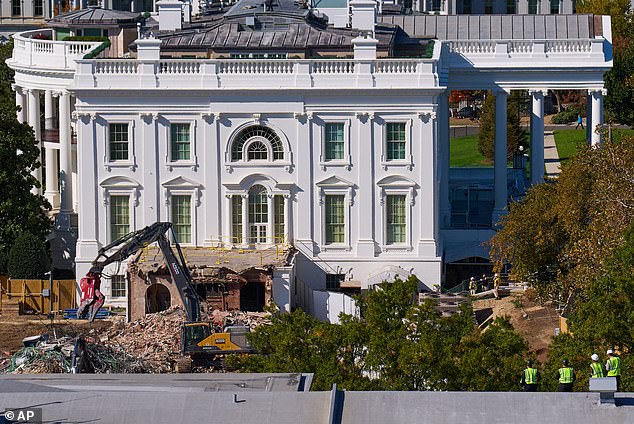
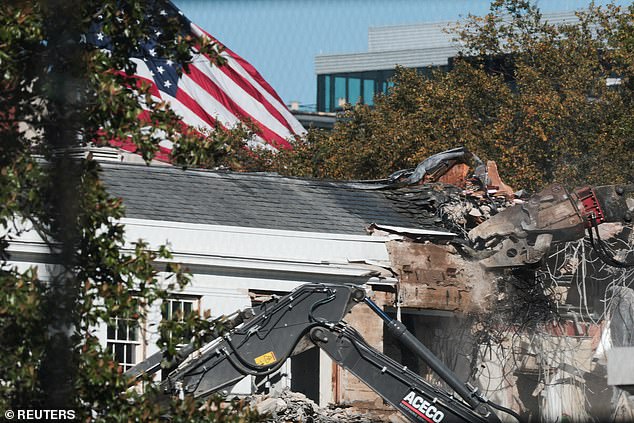
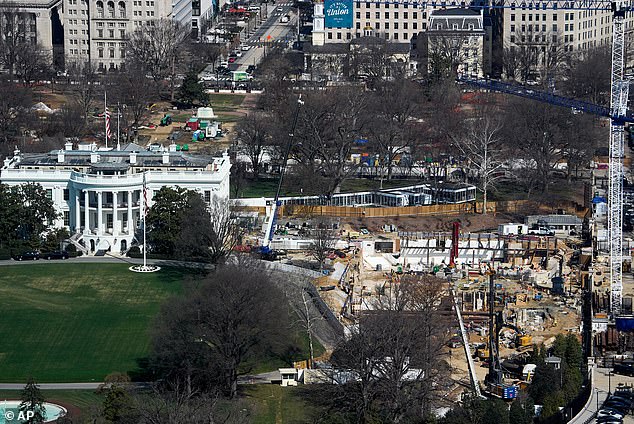
A federal judge has temporarily stopped the $400 million White House ballroom project, which was initiated by former President Donald Trump. The decision came after the National Trust for Historic Preservation filed a lawsuit against the Trump administration over the destruction of the White House’s East Wing last fall.
The preservation group argued that Trump needed Congressional approval before making significant changes to the historic site. U.S. District Judge Richard Leon ruled that no statute grants the President the authority to proceed with such a major project without oversight from Congress.
“President of the United States is the steward of the White House for future generations of First Families. He is not, however, the owner!” Leon wrote in his decision. The judge approved the Trust’s request to halt work on the ballroom project while the legal battle continues. He gave a two-week grace period for the implementation of his order and allowed construction to continue on parts of the project related to the security of the White House.
Leon also suggested that Congress could authorize the continued construction of the ballroom project, stating, “The President may at any time go to Congress to obtain express authority to construct a ballroom and to do so with private funds.”
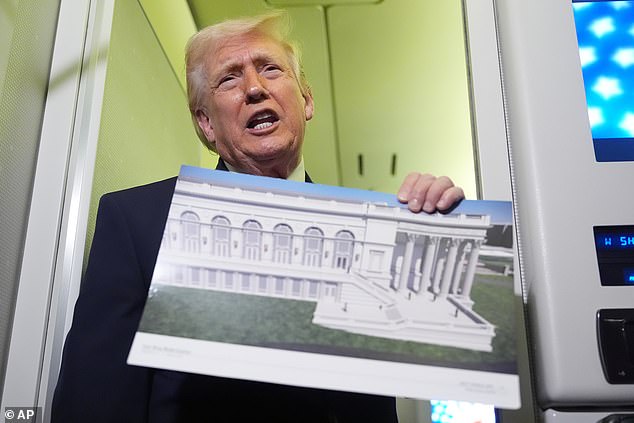
Judge Leon, an appointee of Republican President George W. Bush, previously indicated that his decision might be appealed and could end up in the Supreme Court. The White House has already appealed the case to the U.S. Court of Appeals for the District of Columbia Circuit.
Trump’s spokesperson, Davis Ingle, responded to the ruling, saying, “President Trump clearly has the legal authority to modernize, renovate, and beautify the White House—just like all of his predecessors did. We will immediately appeal this egregious decision and are confident we will prevail.”
Trump himself addressed the issue in the Oval Office, stating he would not seek Congressional approval to complete the ballroom project. “Many things have been built in the White House—they haven’t gotten Congressional approval. Especially when the money is being not put up by the taxpayer,” he said.
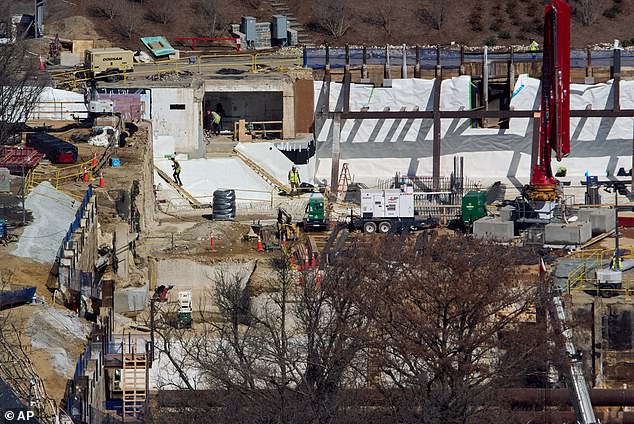
Trump expressed his frustration on Truth Social, labeling the National Trust for Historic Preservation as “a Radical Left Group of Lunatics.” He criticized the focus on lawsuits against the White House ballroom and his Kennedy Center project, while other major projects, such as the Federal Reserve headquarters renovations and California Governor Gavin Newsom’s “RAILROAD TO NOWHERE,” faced no legal challenges.
“So, the White House Ballroom, and The Trump Kennedy Center, which are under budget, ahead of schedule, and will be among the most magnificent Buildings of their kind anywhere in the World, gets sued by a group that was cut off by Government years ago, but all of the many DISASTERS in our Country are left alone to die,” Trump posted.

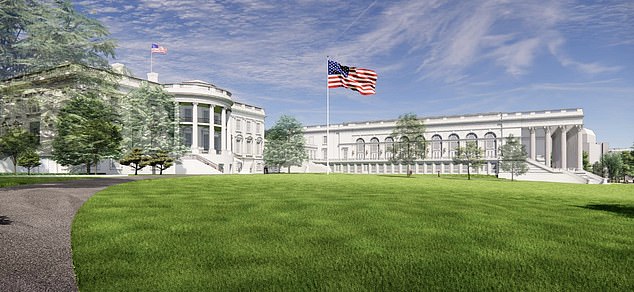
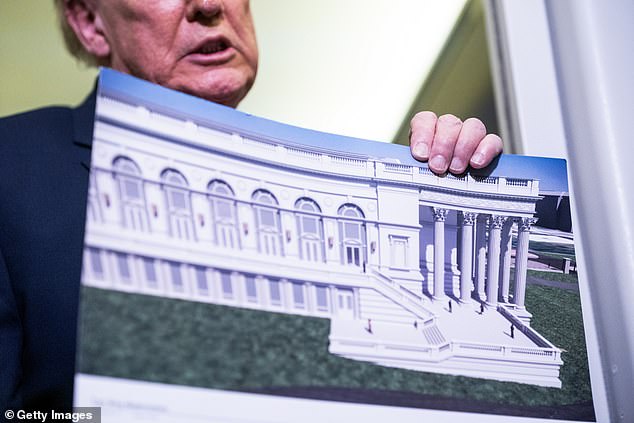
The National Trust for Historic Preservation, a Congressionally chartered organization funded by the federal government for 30 years after the passage of the National Historic Preservation Act, now relies on private donations. The group welcomed the judge’s decision, with CEO Carol Quillen stating, “This is a win for the American people on a project that forever impacts one of the most beloved and iconic places in our nation.”
The Trust filed the lawsuit in December after the East Wing had already been demolished and the White House refused to ensure proper government oversight. Trump claimed that approvals were unnecessary because the project was fully funded by private donations.
Controversy Over the East Wing Demolition
The demolition of the East Wing surprised many, as neither Trump nor White House press secretary Karoline Leavitt had been transparent about the plans to tear down the area used for the First Lady’s offices. Before the ballroom project began, Trump appointed Will Scharf, his Staff Secretary, to head the National Capital Planning Commission (NCPC), one of the two panels that generally approve federal construction projects in the region.
Scharf stated that the NCPC does not oversee demolitions, allowing the East Wing destruction to proceed unchallenged. The Trust pushed the administration to follow traditional review processes, but Trump had filled the NCPC and the Commission of Fine Arts with aides and allies.
In February, the Commission of Fine Arts, which includes the President’s 26-year-old executive assistant, fast-tracked the ballroom’s approval without viewing the final design. On Thursday, the NCPC is expected to follow a similar process during its April meeting.
In March, dozens of experts and citizens testified to NCPC commissioners over Zoom about the project. Only one person, in hours of testimony, spoke positively about it. Architects, preservationists, and average Americans described the project as “ugly” and criticized its massive size.
If the project proceeds, Trump has stated the ballroom should be completed by 2028, before he leaves office in January 2029.