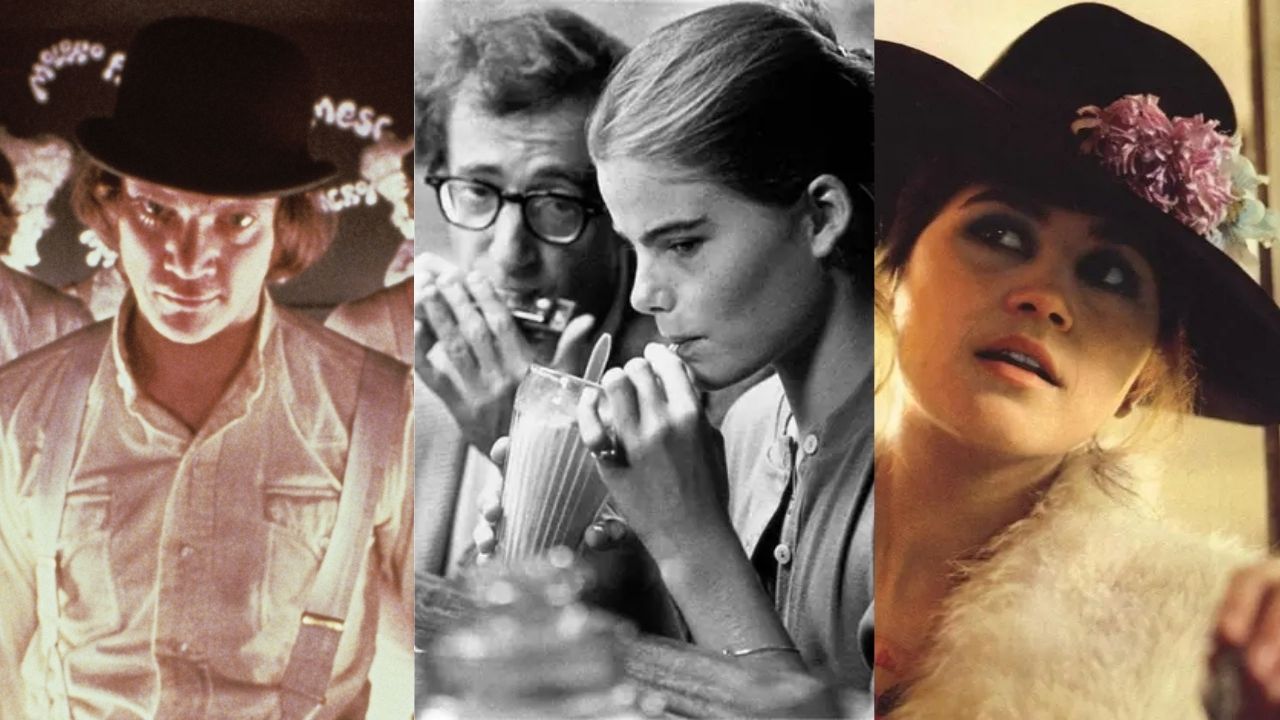
The 1970s: A Decade of Bold and Controversial Cinema
The 1970s was a transformative decade for cinema, marked by bold storytelling, experimental styles, and a willingness to challenge societal norms. It was a time when filmmakers pushed boundaries, often at the expense of mainstream acceptance. The era saw the rise of films that were as controversial as they were influential, many of which would be nearly impossible to produce or release today due to changing social values, stricter industry standards, and evolving audience expectations.
10. The Battle of Okinawa (1971)
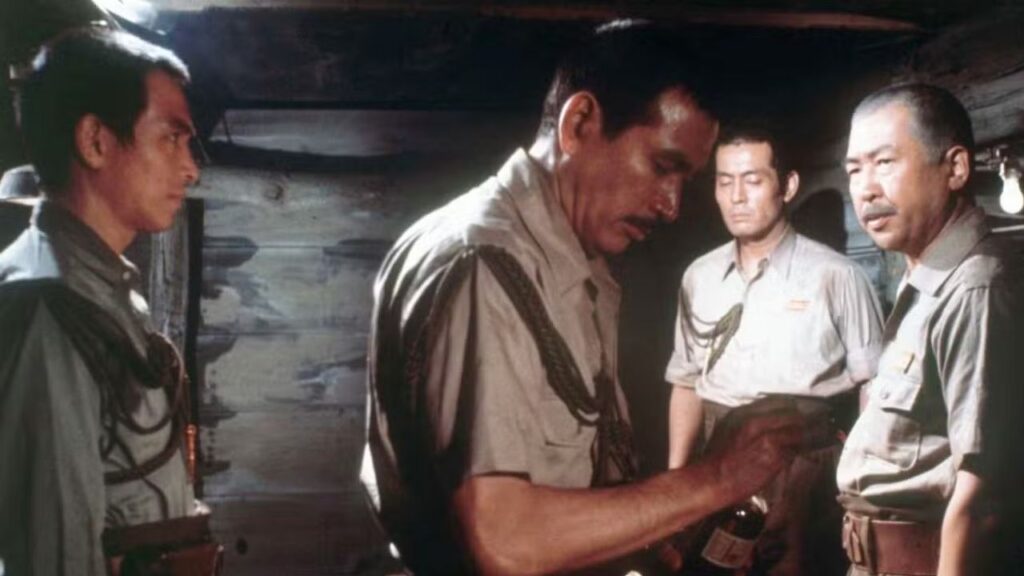
This war film is widely regarded as one of the best of the 1970s, offering a harrowing depiction of World War II from the Japanese perspective. It focuses on the intense and brutal battle of Okinawa, showcasing the suffering of both soldiers and civilians caught in the crossfire. Unlike many war films that glorify combat, this movie presents a bleak and unflinching view of war’s devastation.
Its graphic content and emotionally heavy tone would make it difficult to market in today’s climate, despite its powerful anti-war message. The film’s raw depiction of violence and despair would likely face significant resistance from modern studios and audiences.
9. Smile (1975)
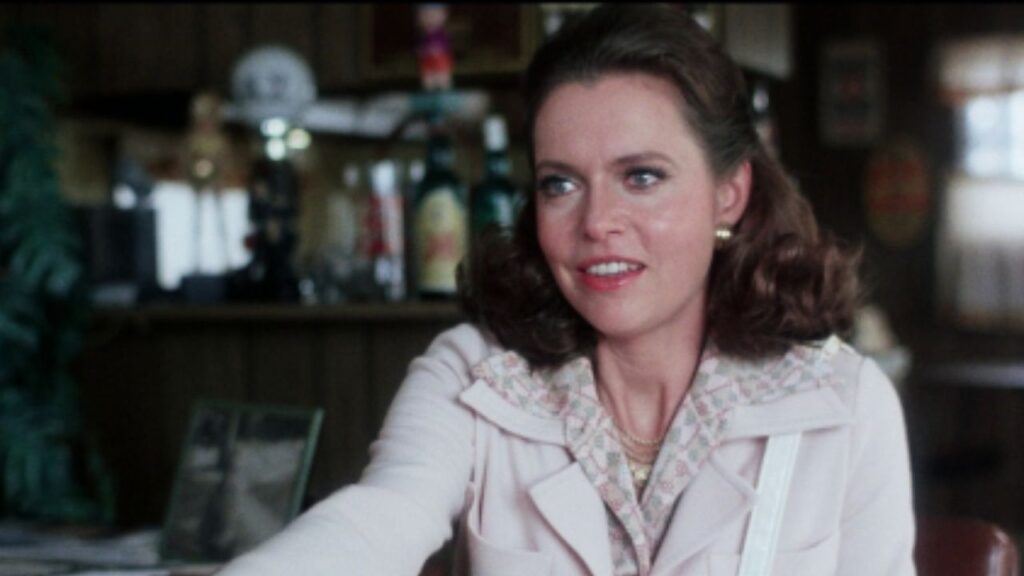
This dark comedy, set around a California beauty pageant, uses the event as a platform to satirize American culture, competition, and the pressures of appearance. The film features a large cast and a series of escalating misfortunes that unfold throughout the story.
Today, a film that critiques beauty pageants and the treatment of young women would require careful handling to avoid backlash. The humor and social commentary, while groundbreaking for its time, might not be well received in an era more sensitive to issues of gender and representation.
8. Blazing Saddles (1974)
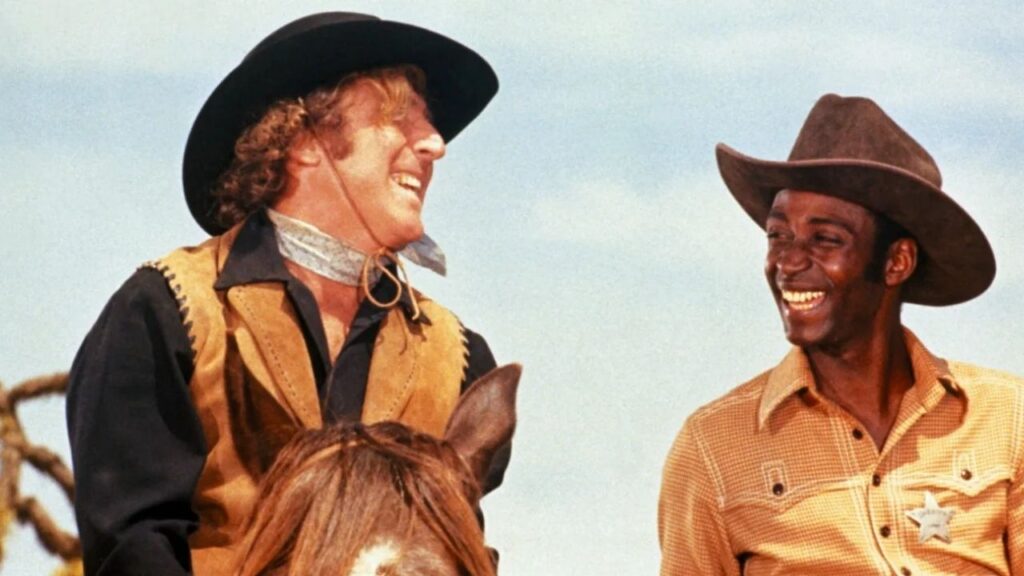
Mel Brooks’ classic comedy is known for its raucous humor and subversive take on Westerns. However, the film’s use of racist language and crude jokes would make it extremely challenging to produce today. While the film aims to mock racism itself, modern studios may hesitate to embrace such content due to concerns over how it could be perceived.
The film’s approach to satire, while innovative, would likely face significant criticism in a more socially conscious media landscape.
7. Manhattan (1979)
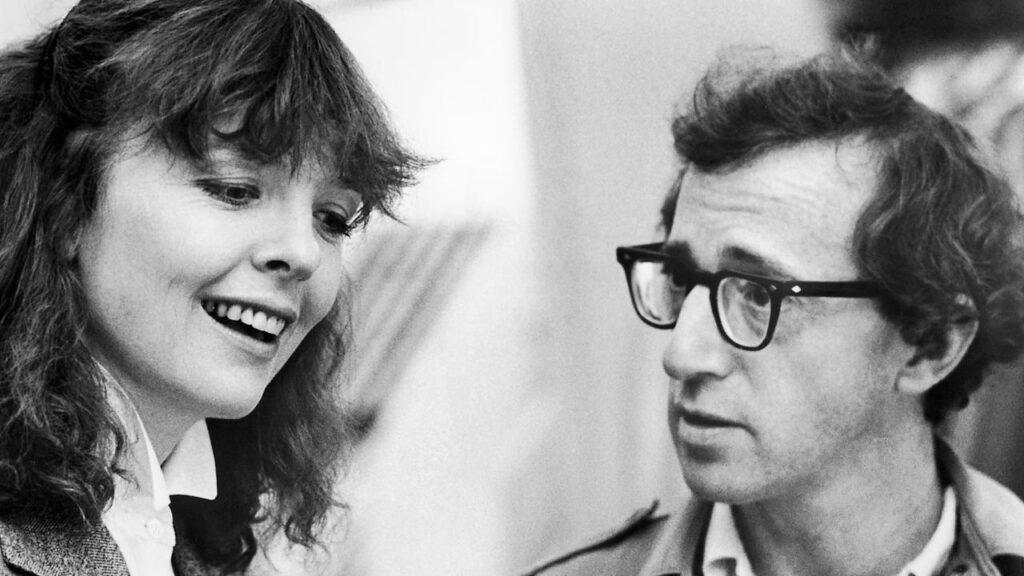
This romantic comedy-drama, directed by Woody Allen, explores a complex relationship between a 42-year-old writer and a 17-year-old girl. While the film was praised for its wit and style, the age gap in the main relationship has become increasingly problematic over time.
With recent allegations against Allen, the film’s portrayal of the relationship now carries additional scrutiny. A modern production exploring such a dynamic would likely face strong criticism before even reaching the screen.
6. Monty Python’s Life of Brian (1979)
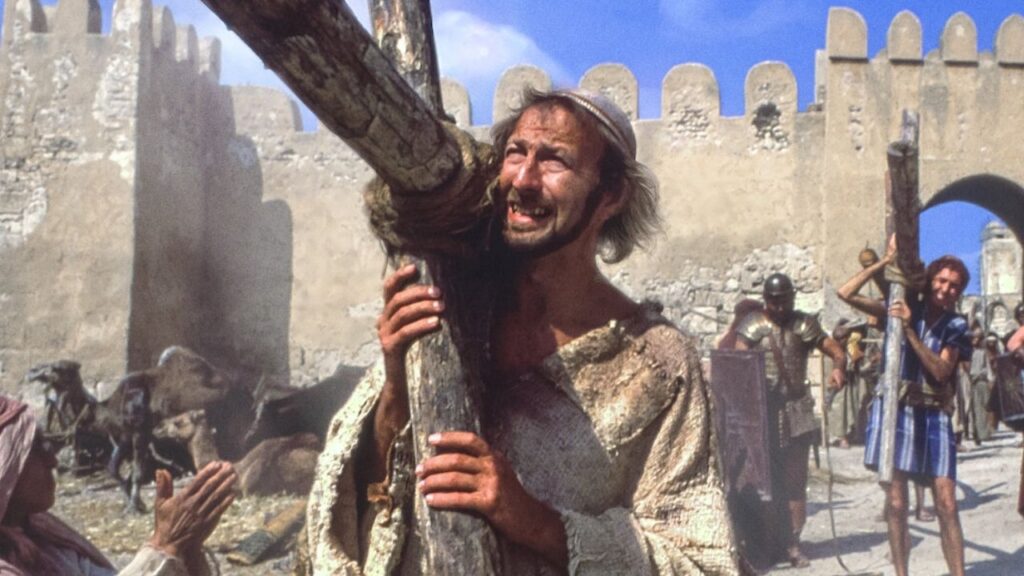
This religious comedy, centered on a man mistaken for the Messiah, sparked outrage among Christian groups at the time. Its irreverent take on religion and biblical themes led to bans and accusations of blasphemy.
While religious satire still exists today, a film that openly mocks sacred figures and events would likely face intense backlash from religious and political groups, making it difficult to secure funding and distribution.
5. Caligula (1979)
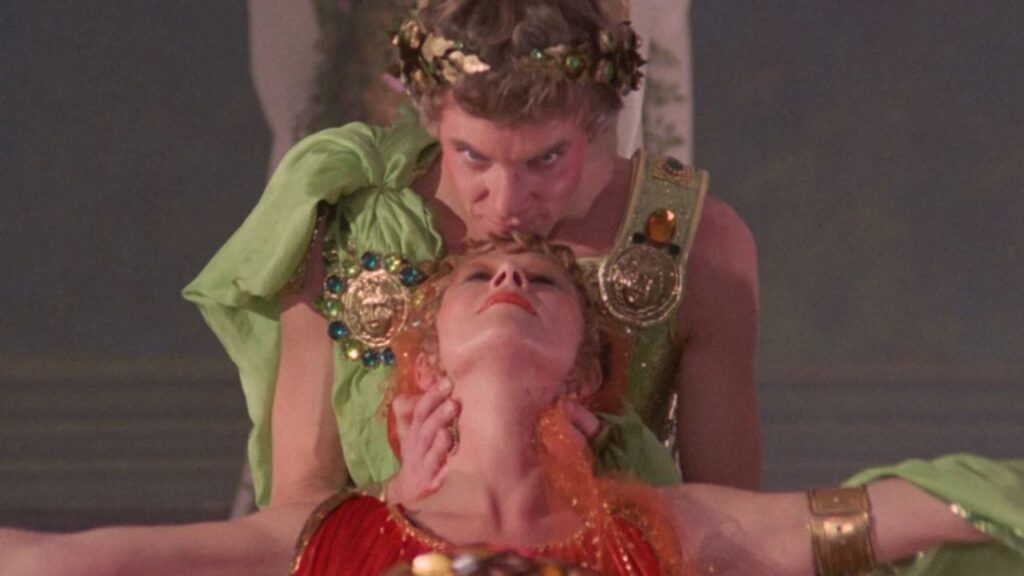
This historical drama, starring Malcolm McDowell, was controversial for its explicit sexual content and graphic scenes. The film’s unsimulated intimate scenes, added after filming, caused further controversy and raised ethical concerns.
In today’s climate, a film with such content, combined with its mix of mainstream acting and explicit material, would face major resistance from studios and audiences alike.
4. Pink Flamingos (1972)
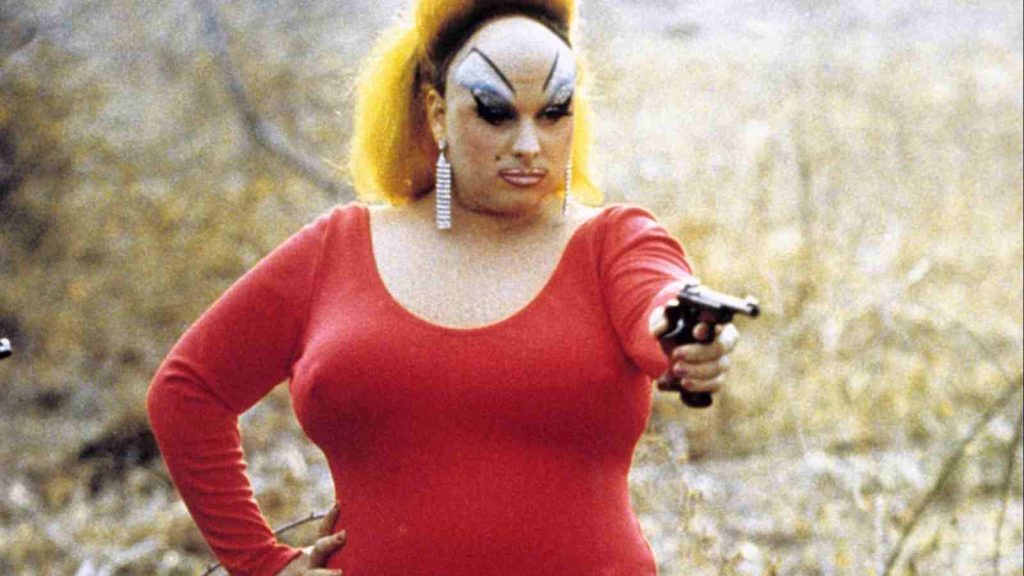
John Waters’ cult classic is known for its shocking and provocative content, including scenes of sexual violence, incest, and animal cruelty. The film’s purpose is to push the boundaries of taste and challenge conventional morality.
While it has gained a cult following, a film like this would struggle to gain support in the modern film industry, where ethical concerns and audience sensitivities have shifted significantly.
3. Last Tango in Paris (1972)
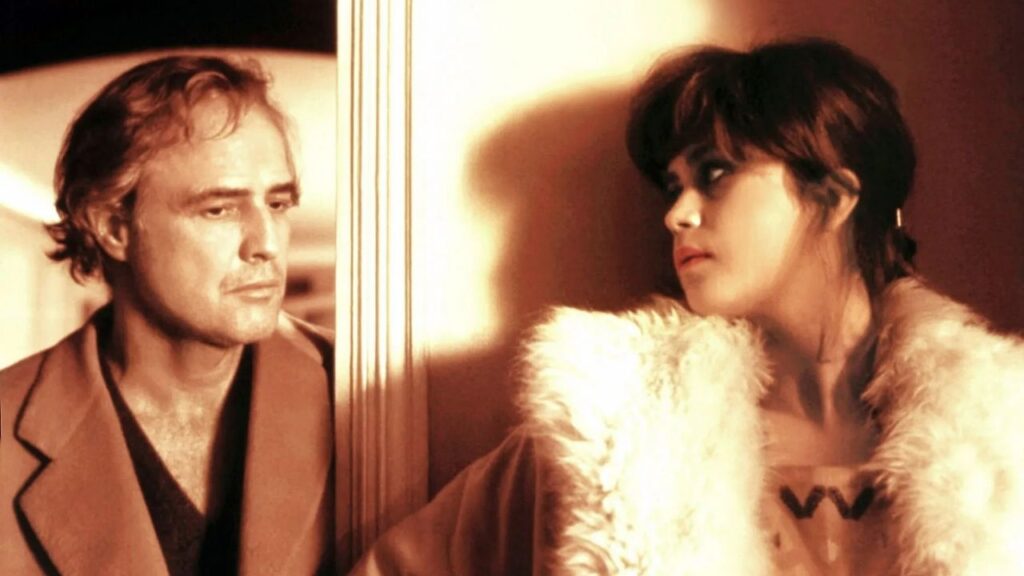
This controversial film, directed by Bernardo Bertolucci, features a deeply unsettling scene involving a woman who felt humiliated during filming. The lack of clear communication about the scene’s content led to long-term emotional distress for the actress.
Modern productions now use intimacy coordinators and strict consent protocols to protect actors, making a film like Last Tango in Paris unlikely to be made in the same way today.
2. A Clockwork Orange (1971)
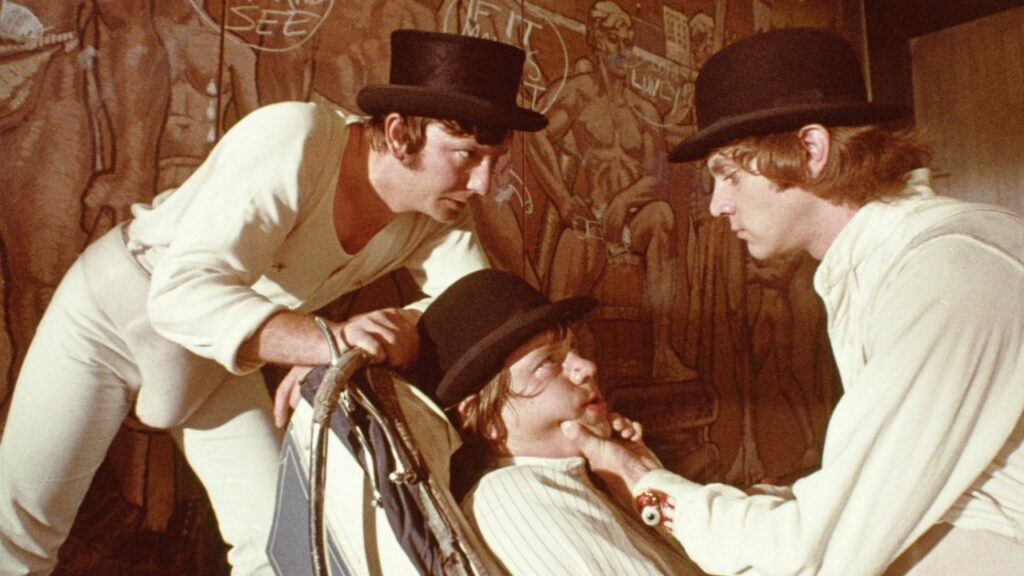
Stanley Kubrick’s dystopian film remains one of the most disturbing works of the 1970s. Its graphic depictions of violence and sexual assault, combined with its stylish presentation, continue to provoke debate.
Even in the 1970s, the film faced significant backlash. Today, a film with such content would likely face strong criticism from audiences, critics, and studios alike.
1. Sweet Sweetback’s Baadasssss Song (1971)
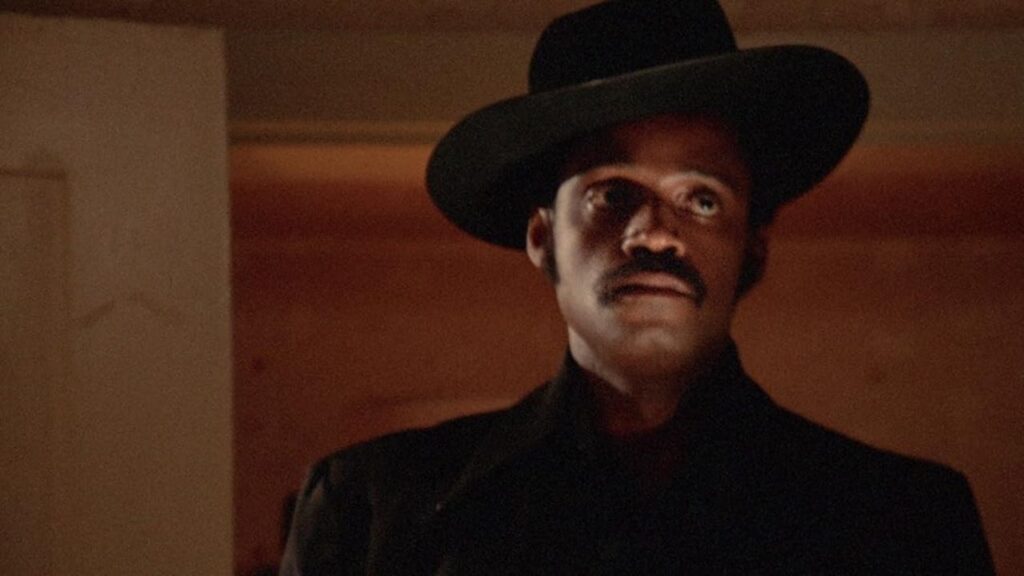
This landmark Black film, directed by Melvin Van Peebles, was a major influence on the blaxploitation genre. It tells the story of a Black man fighting back against police brutality and systemic oppression.
Despite its controversial content, the film carried a deeper message about race and power. Today, its explicit scenes and anti-police narrative would make it difficult to release in the same way, given modern censorship and sensitivity around issues of race and law enforcement.