The Controversy Surrounding the White House Ballroom Project
President Donald Trump has been vocal in his criticism of a federal judge who ordered a halt to the construction of his $400 million ballroom project until Congress authorizes it. During a press event, Trump expressed his frustration with the ruling by District Court Judge Richard Leon, stating, “He’s so wrong.” The president emphasized that the project is privately funded by wealthy companies and individuals, aiming to create the finest ballroom in the world.
In his ruling, Judge Leon, appointed by George W. Bush, sided with the National Trust for Historic Preservation, a nonprofit group that sued Trump after he demolished the East Wing. Leon argued that the president likely needs congressional approval to tear down and replace an entire section of the White House. He also questioned the funding scheme, which involves private donations for the construction.
Leon’s 35-page opinion began by highlighting that the president is not the owner of the White House but its steward for future generations. However, he noted that it was not too late for Congress to authorize the construction and suggested that Trump could seek permission to use private funding for the 90,000 square-foot ballroom.
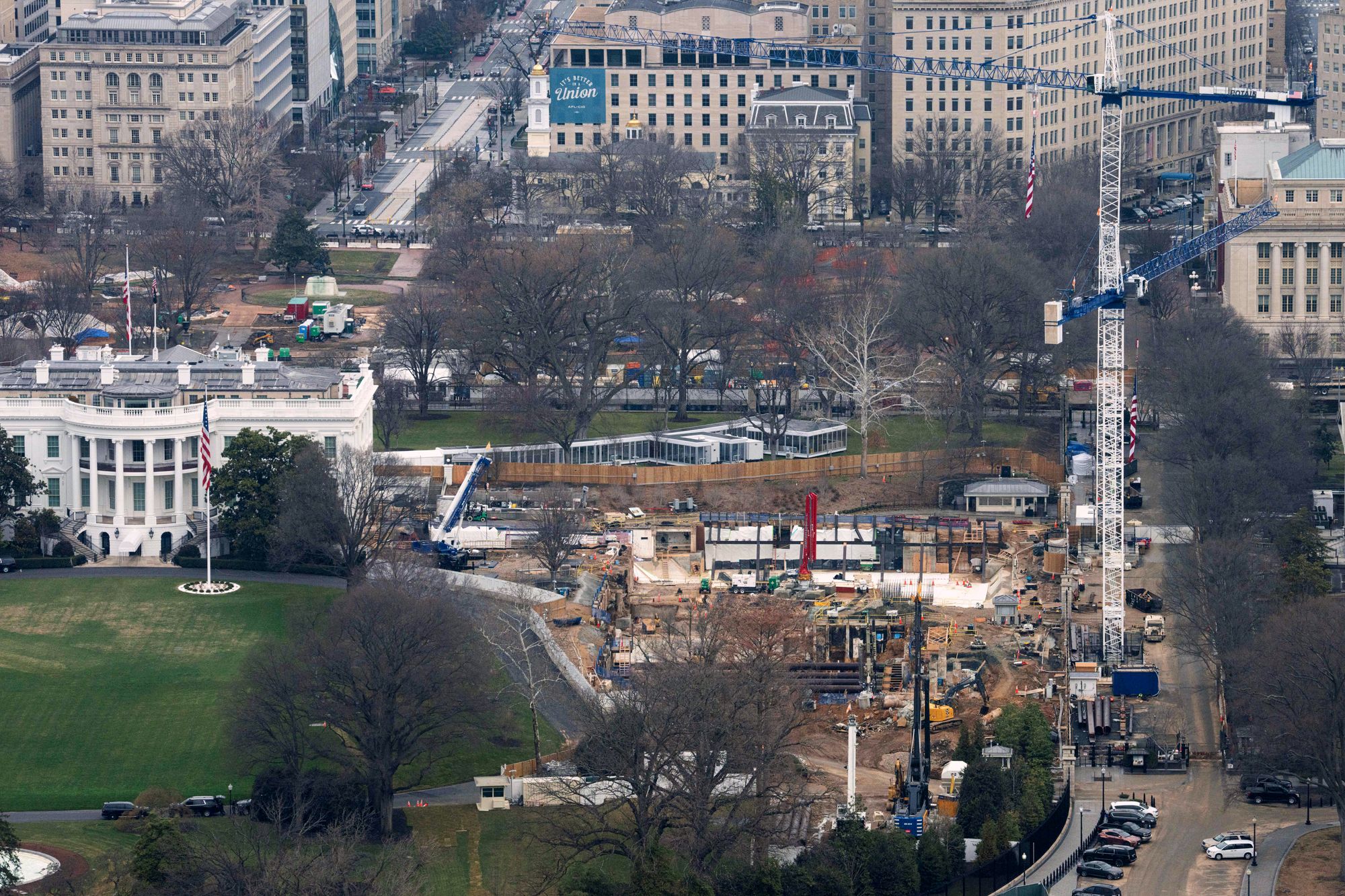
During the press event, Trump claimed that the judge had allowed him to continue building as necessary for the safety and security of the White House. He mentioned features such as drone-proof roofs, secure air handling systems, bomb shelters, and major medical facilities. Trump reiterated that the project is ahead of schedule and at no cost to taxpayers.
Legal Challenges and Public Reaction
Trump criticized the lawsuit on Truth Social, accusing the National Trust for Historic Preservation of being a “Radical Left Group of Lunatics.” He suggested that the group should focus on other projects like the Federal Reserve building or California’s high-speed rail instead of the White House ballroom.
The White House ballroom has been a contentious issue for Trump. Without seeking congressional authorization, he demolished the historic East Wing and dismissed concerns from preservationists, lawmakers, and the public. Initially, Trump claimed the new ballroom would not interfere with the original White House building. However, the project’s cost has increased from $200 million to $400 million, and the original architect was replaced.
Expediting the Project
To expedite the ballroom project, Trump has taken several steps. He fired members of the U.S. Commission of Fine Arts, a committee that approves new designs, and installed allies in key positions. This includes the original architect of the ballroom project and a 26-year-old White House staffer. Additionally, close allies have been placed in charge of the National Capital Planning, which oversees construction and major renovations in the region.
A White House spokesperson, Davis Ingle, stated that President Trump has the legal authority to modernize and beautify the White House, similar to previous presidents. The administration plans to appeal the court’s decision, confident they will prevail.
Ongoing Legal Battles
Judge Leon’s order followed months of legal back-and-forth between the administration and the National Trust for Historic Preservation. Initially, Leon declined to interfere with the construction process in December and February. However, after tense hearings where Trump’s legal team appeared to change their justifications, Leon expressed frustration.
“This has been a case where there have been shifting theories, shifting dynamics, I regret to say, from the beginning,” Leon said during a March hearing. When lawyers tried to compare the ballroom project to other White House renovations during a January hearing, Leon dismissed the comparison, stating, “The ‘77 Gerald Ford swimming pool? You compare that to tearing down and building a new East Wing? Come on. Be serious.”
Media Criticism and Responses
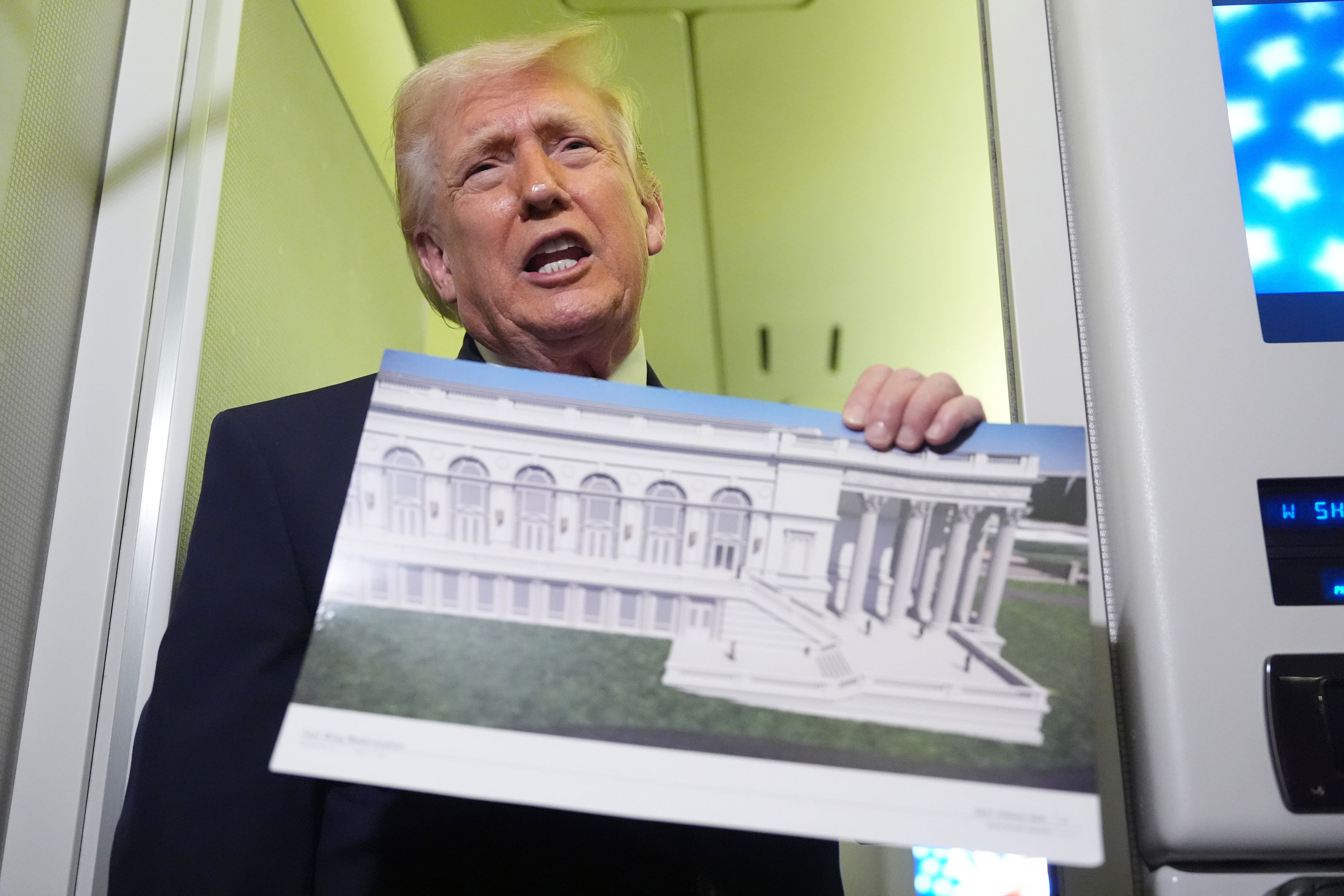
The New York Times recently criticized the rendering of the new ballroom, raising questions about the design. This caused consternation among White House officials. In response, Press Secretary Karoline Leavitt posted on X, defending the project and highlighting the experience of Trump and his lead architect in building world-class structures.
“President Trump and his lead architect have built world-class buildings around the world, and they are ensuring the People’s House finally has a beautiful ballroom that’s been needed for decades — at no expense to the taxpayer,” she said.
Conclusion
The controversy surrounding the White House ballroom project highlights the complex interplay between presidential authority, legal challenges, and public opinion. As the legal battle continues, the outcome will have significant implications for future White House renovations and the balance of power between the executive branch and Congress.